May, June, and July stretched into a long period of transit from the Caribbean archipelago towards the Panama canal. In essence, a time of intense contrast between beautiful friendships, breathtaking experiences, and personal struggles edging on burn-out.
DUTCH CARIBBEAN ISLANDS
We arrived in Bonaire early May, completely unprepared for how special this place would be. One of the Dutch Caribbean islands north of Venezuela, Bonaire’s coastal landscape is a marine treasure. The island’s coral reefs are untouched and marine life thrives right up to the shore. Boats exclusively tie up to moorings so anchors don’t damage the ocean floor.
Its topography is unique. Besides a 20m ring of shallow sands all around the island, the depth drops dramatically, forming steep reef banks like bustling underwater cities reminiscent of Pixar’s epics, on the edge of the big blue where all species encounter.
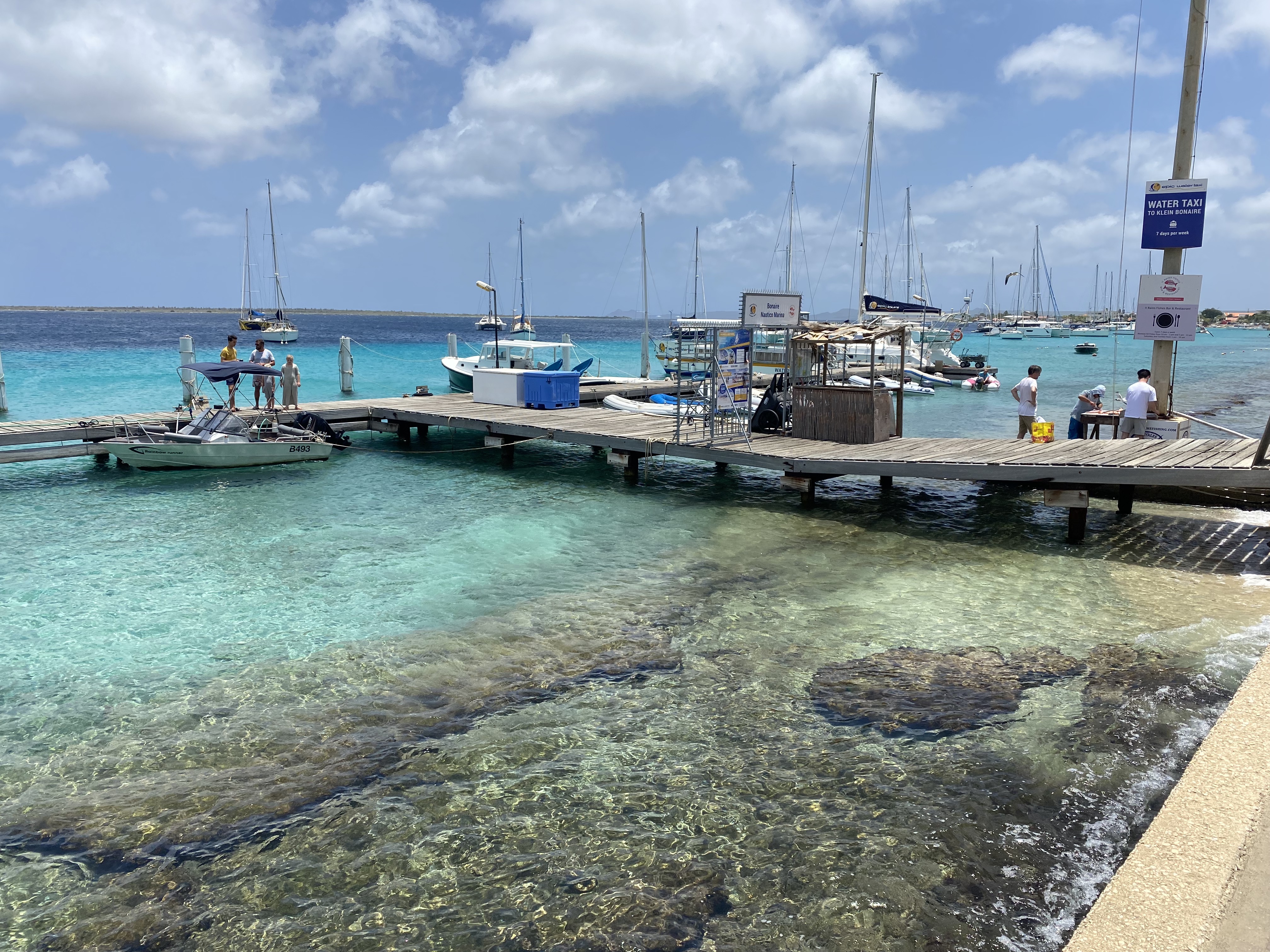
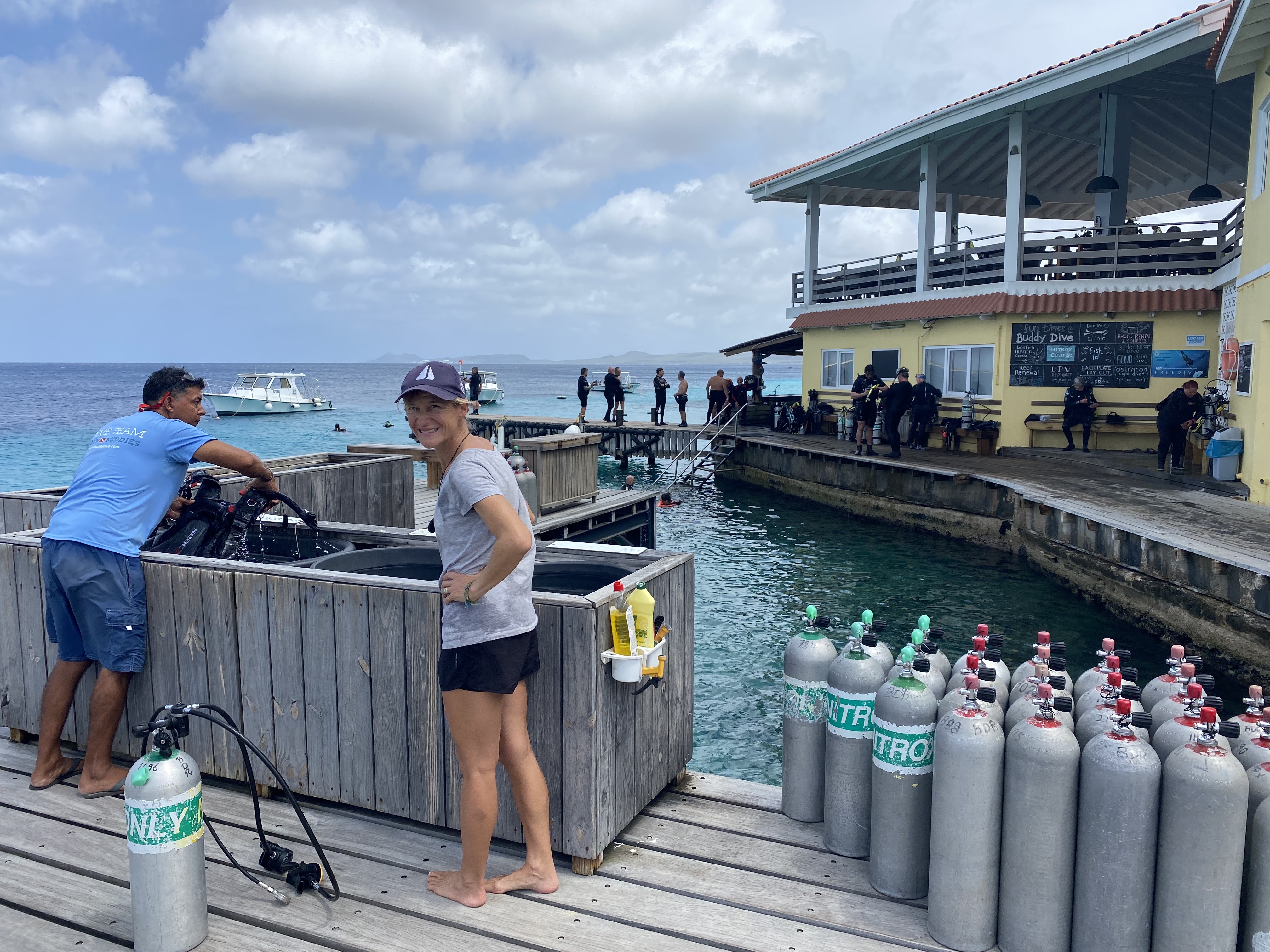
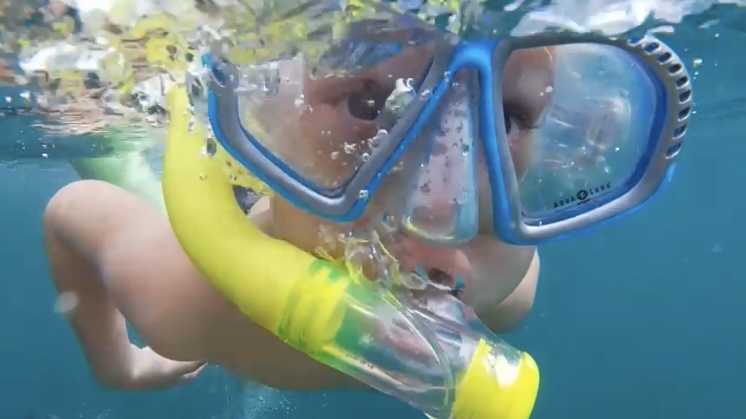
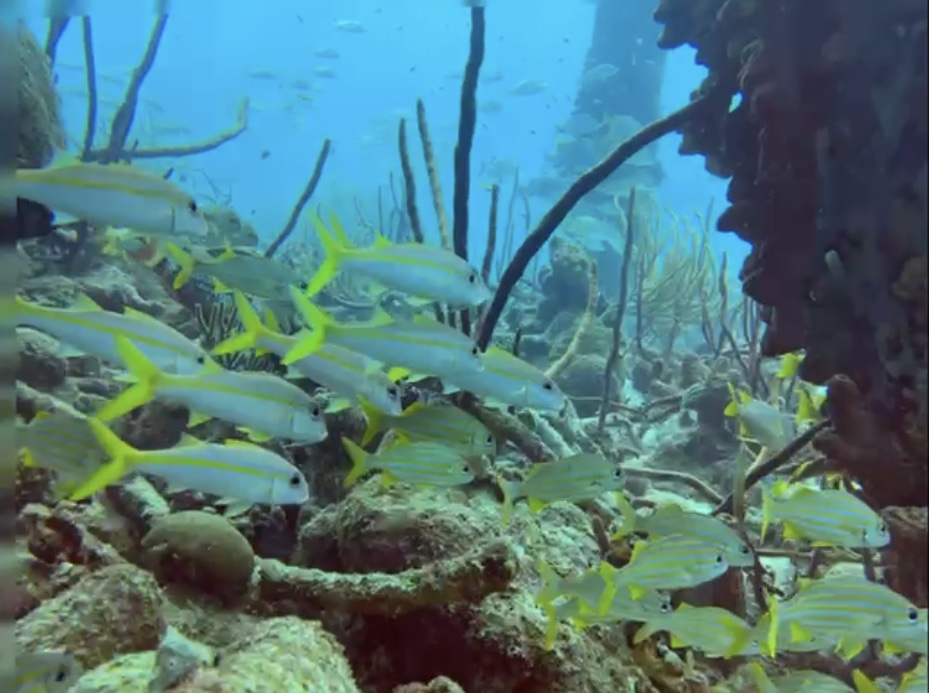
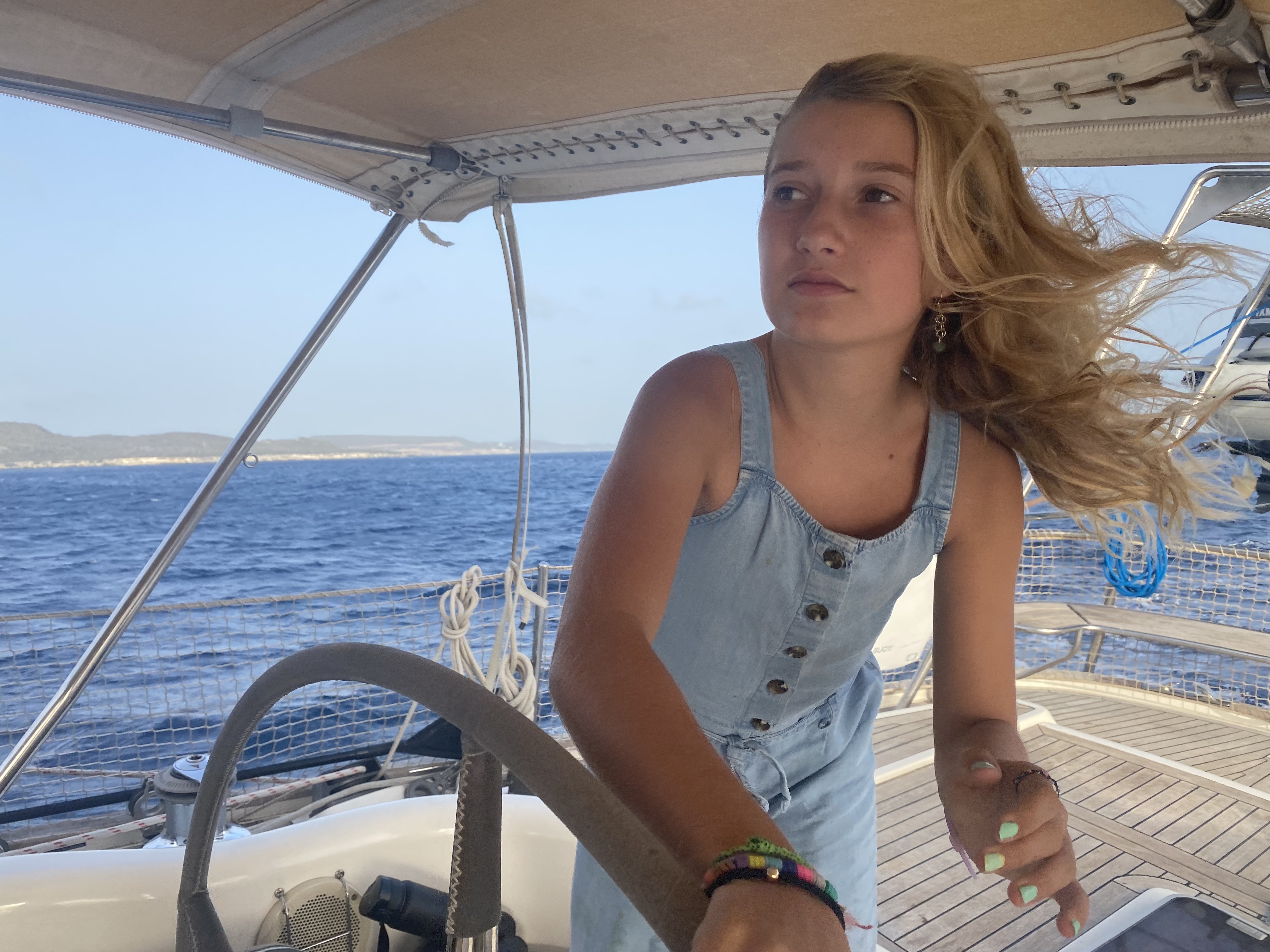
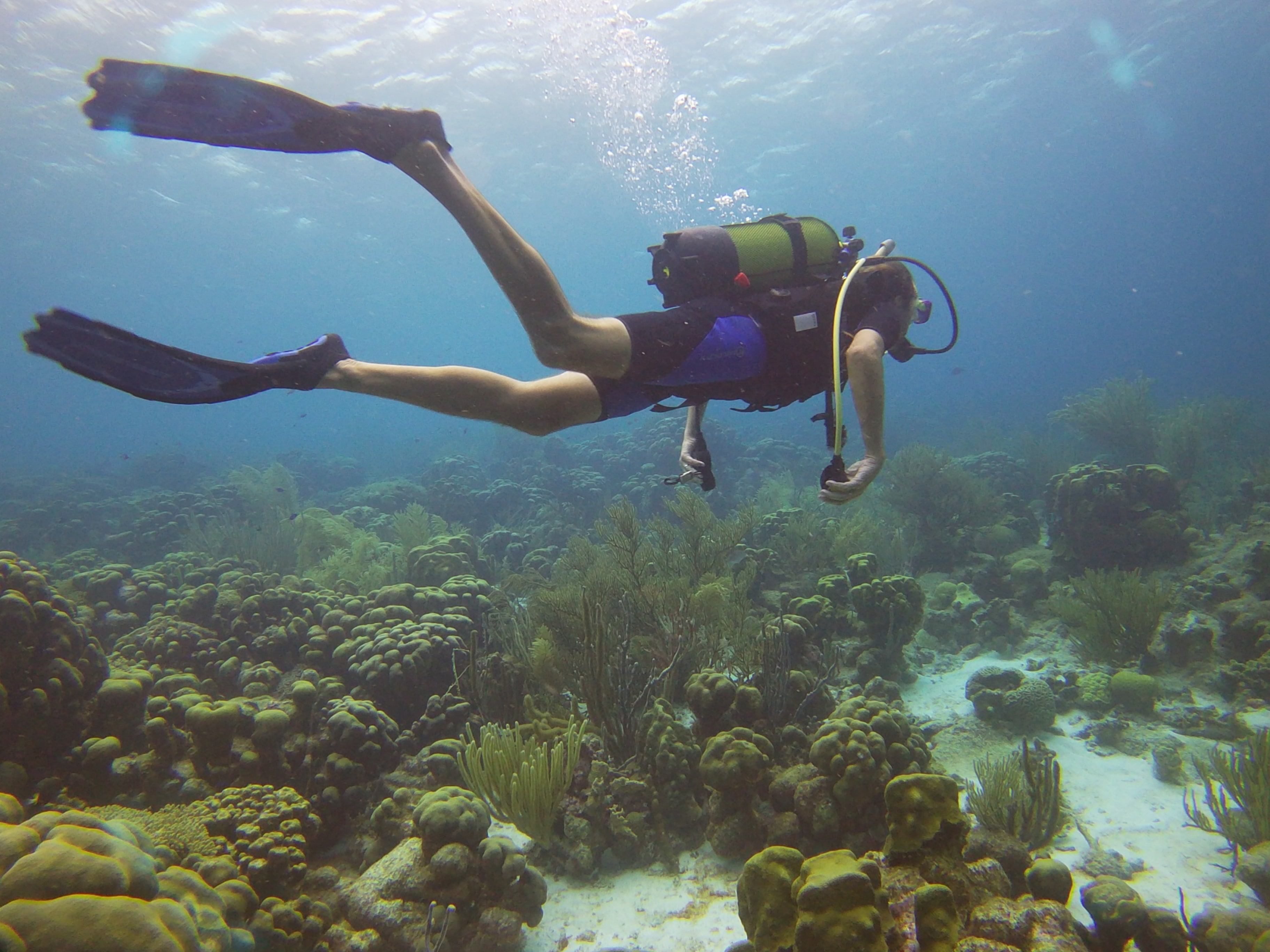
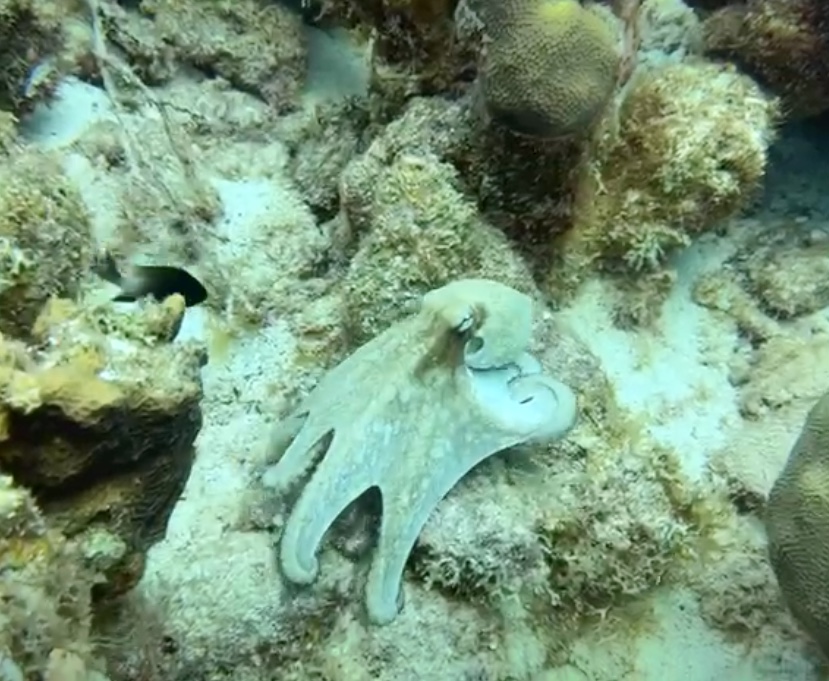
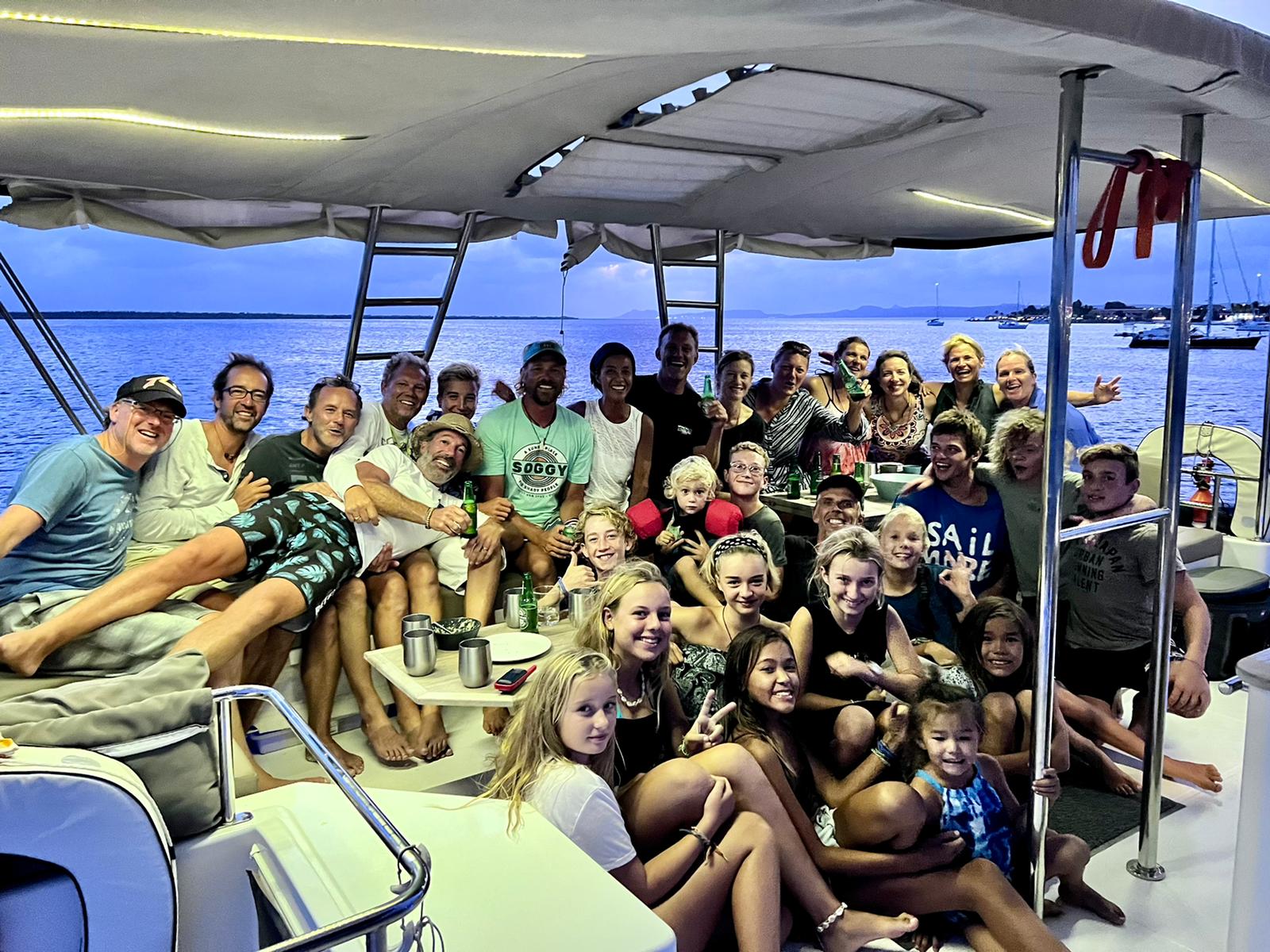
Three weeks were spent there immersing in the underwater world within a social constellation of five boats. Our band of youths gained a great amount of scuba diving experience. Lee got hooked on snorkelling and identifying marine creatures. There was so much to see right under our hulls!
From there, our little community made way to Curaçao for a brief stop in preparation for the potentially hazardous crossing over the top of Venezuela, heading west towards Colombia and Panama. (Wind acceleration zone and counter currents).
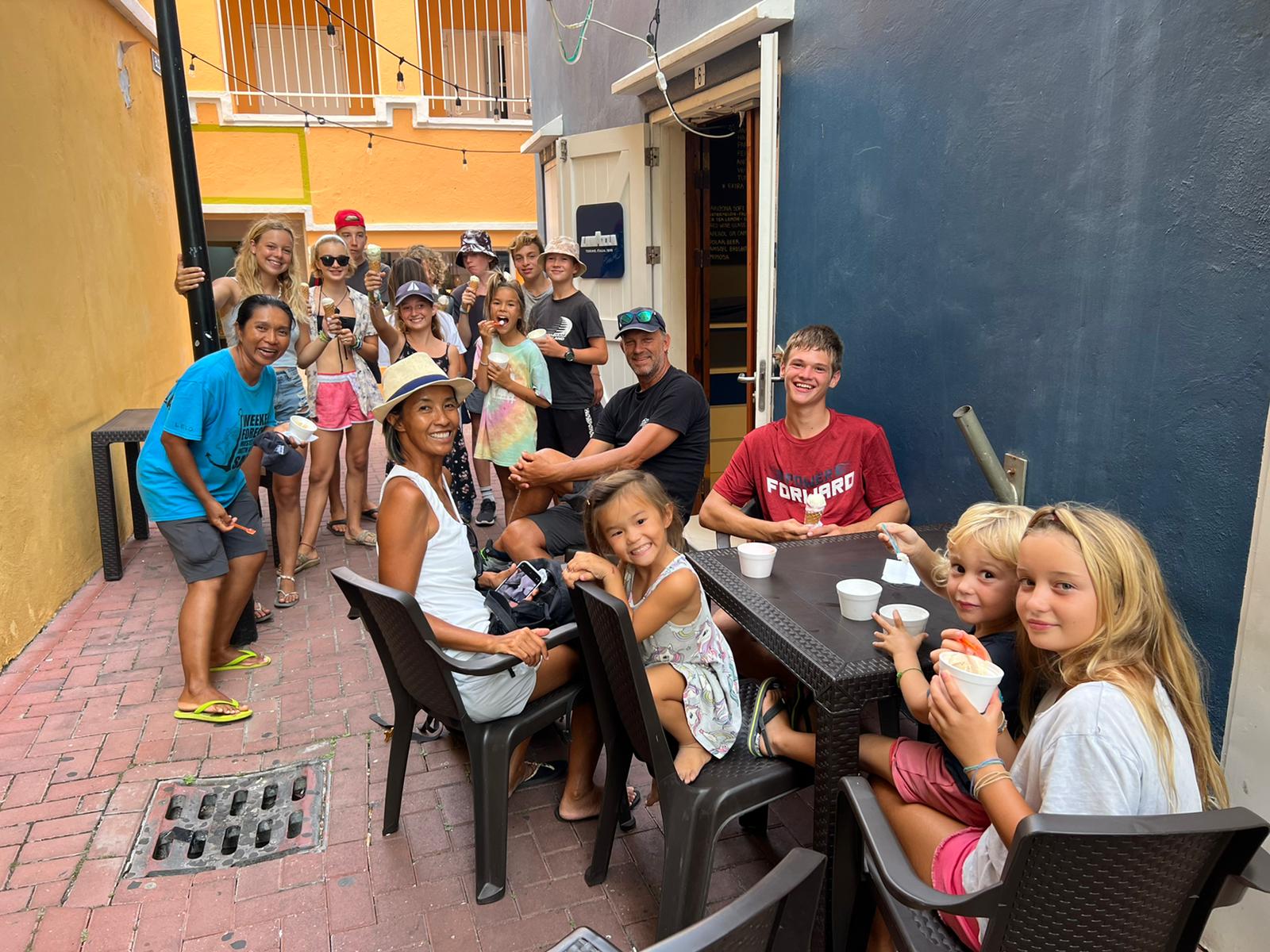
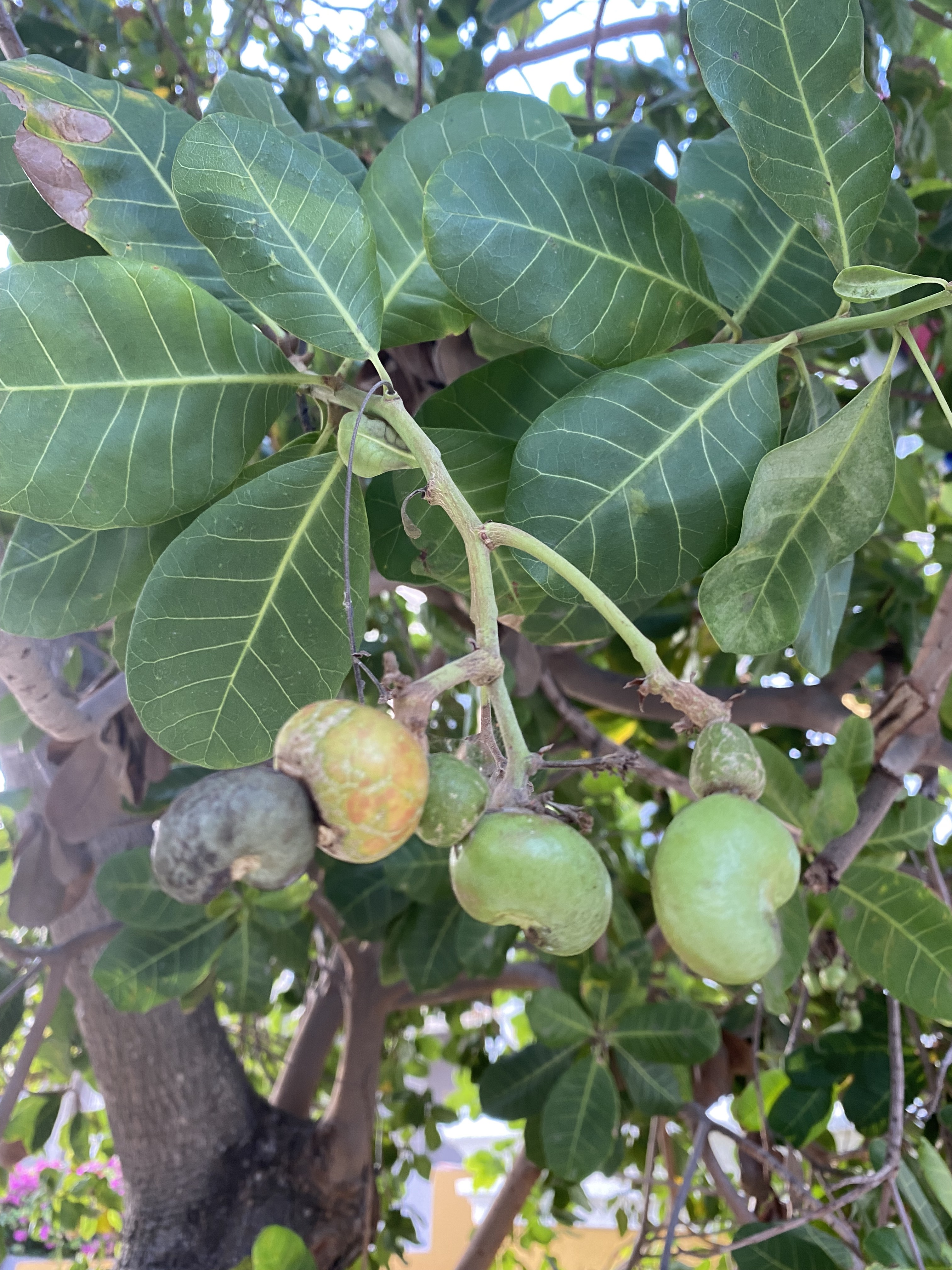
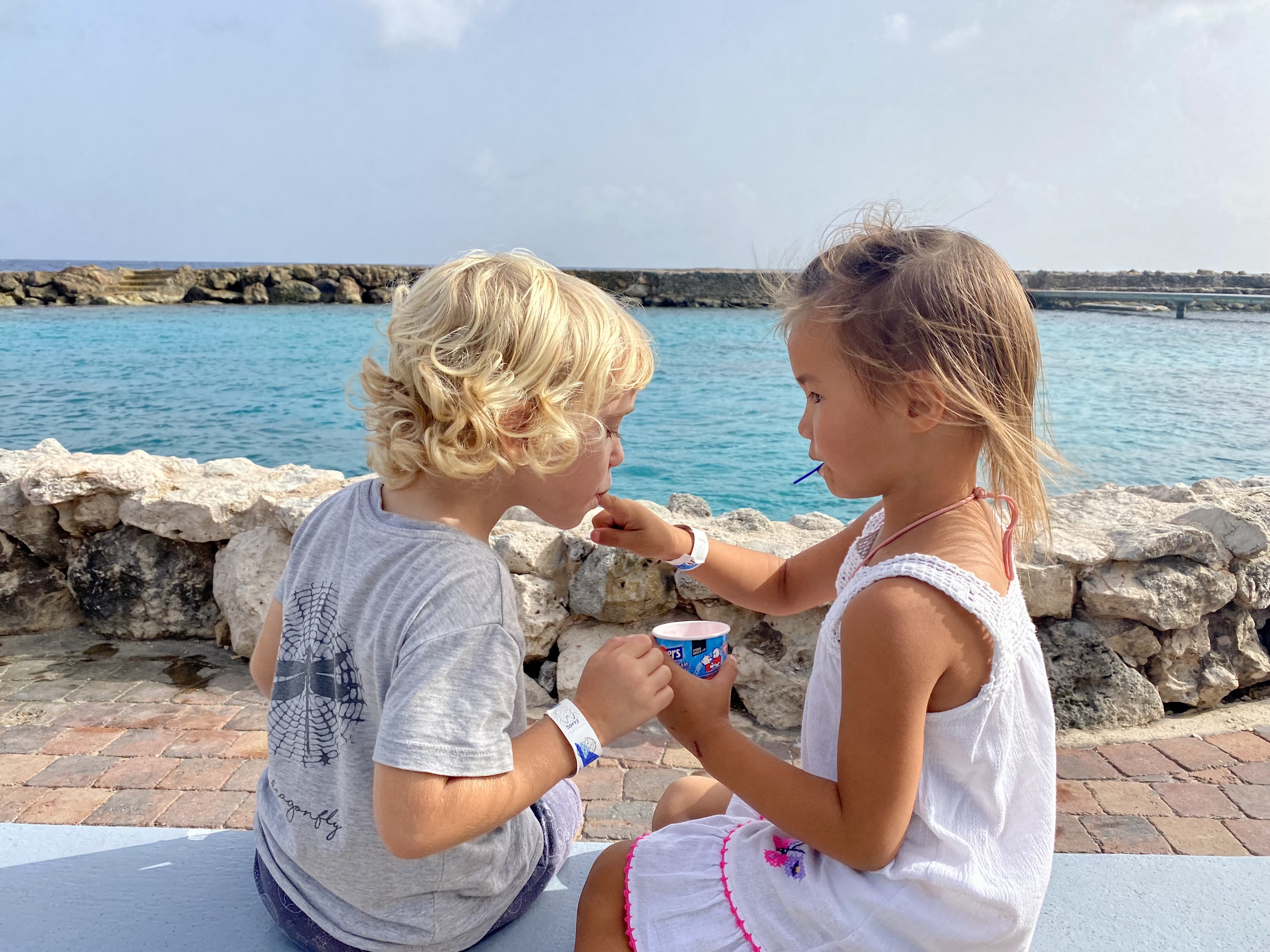
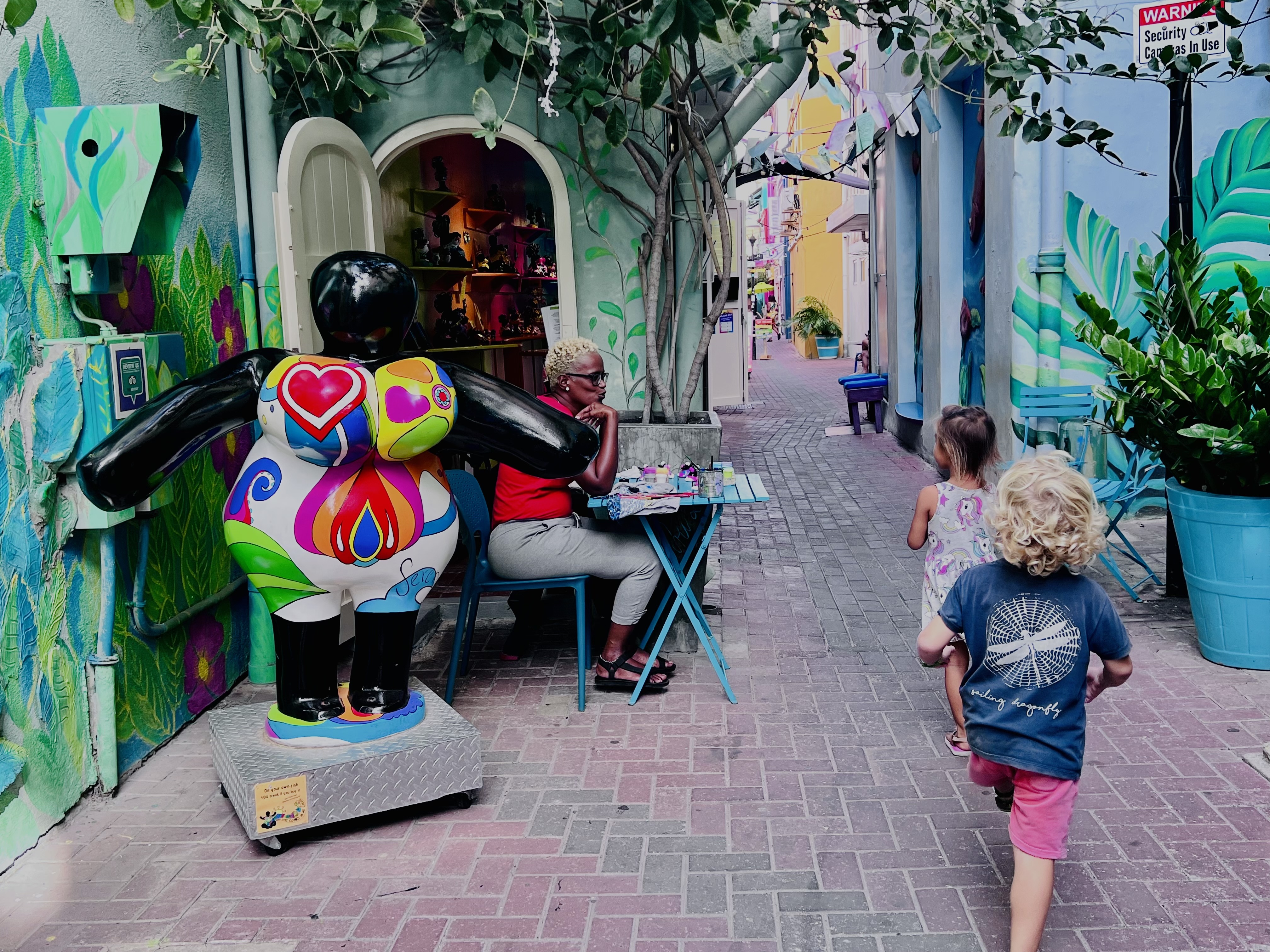
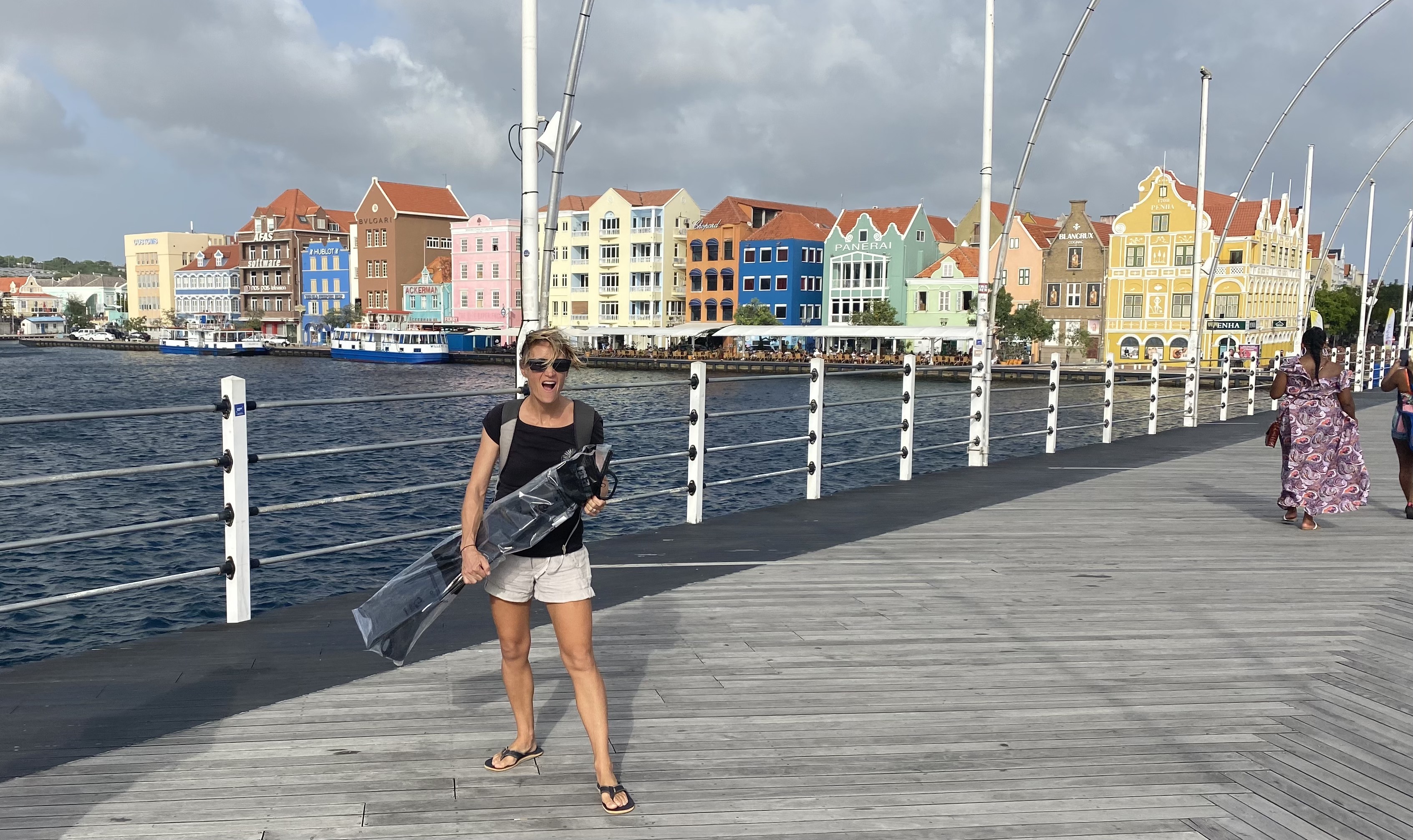
We swiftly enjoyed the unfamiliar mix of Dutch culture, Spanish and Papiamentu languages (creole of Portuguese origin), and the presence of a vibrant African community, a reminder of Willemstad’s infamous past as one of the main hubs of the trans-Atlantic slave trade for almost two centuries.
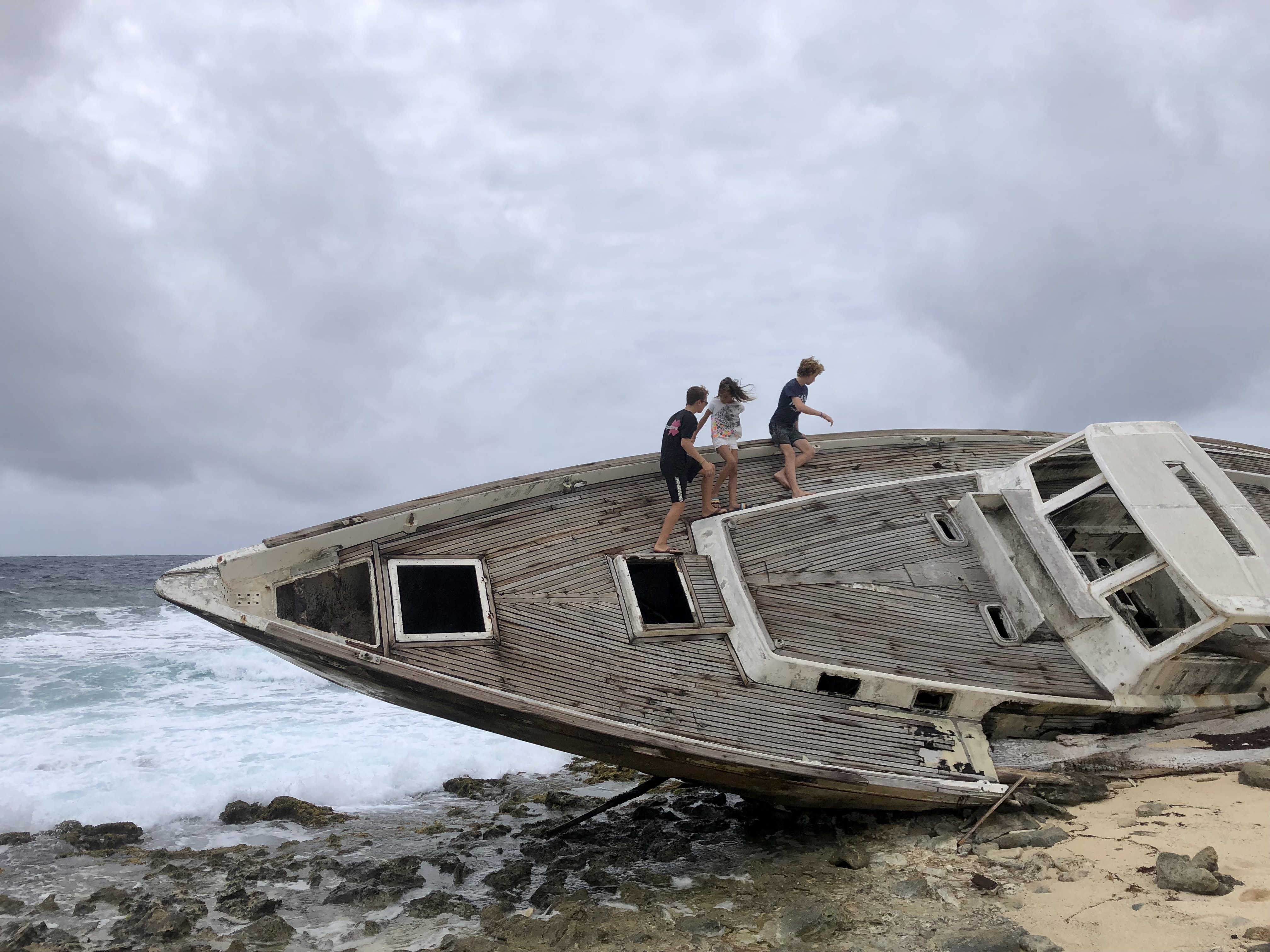
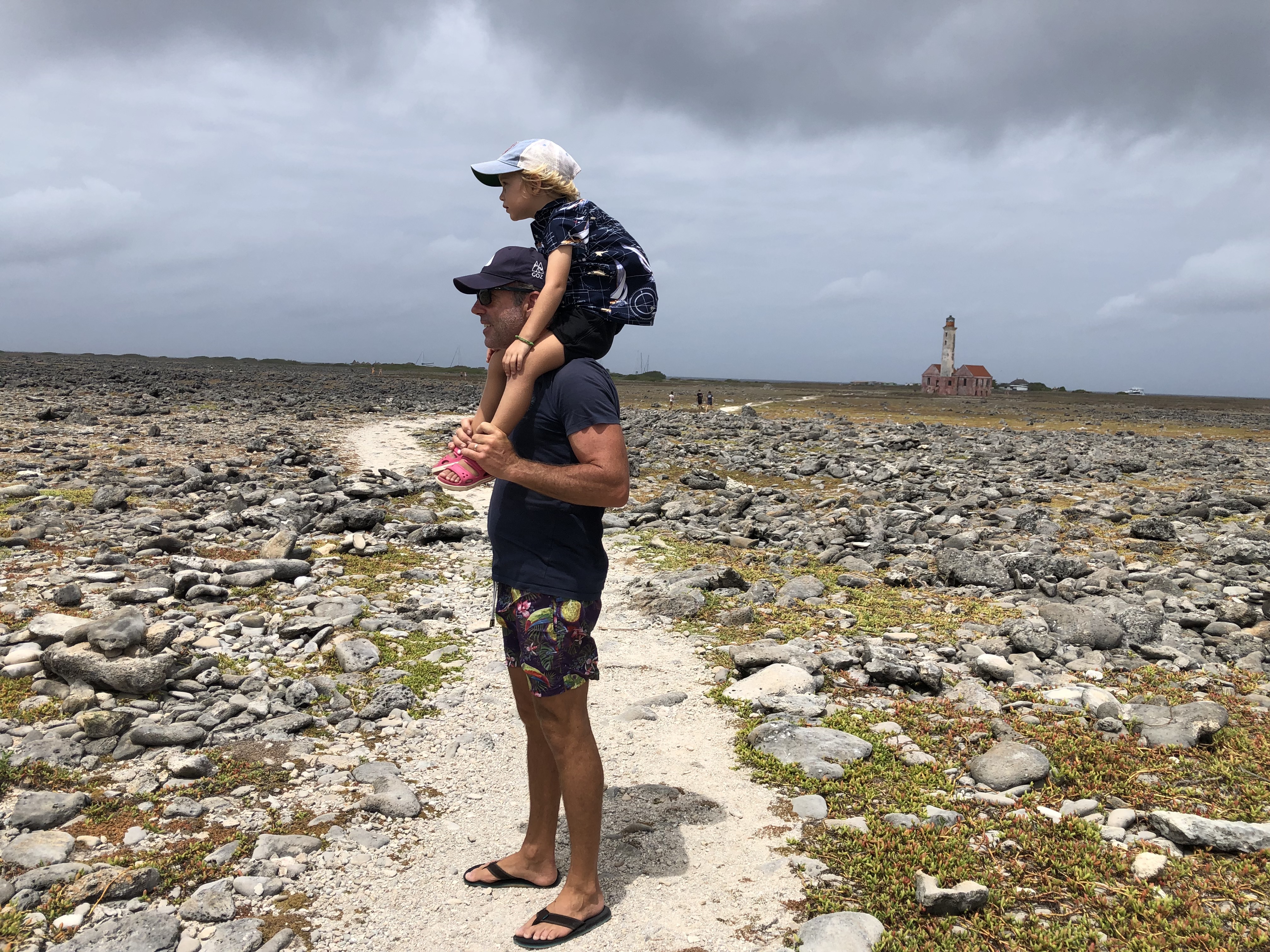
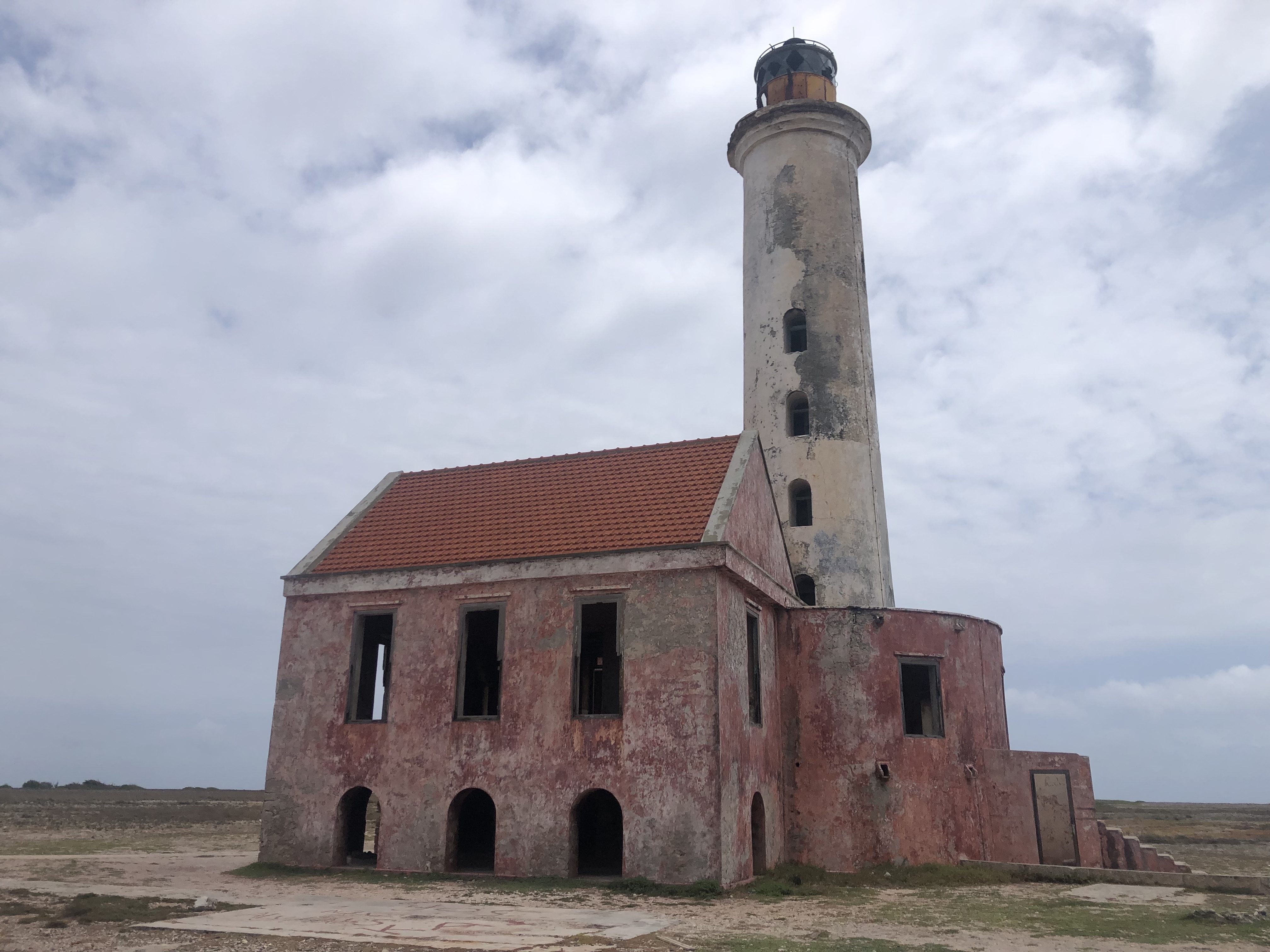
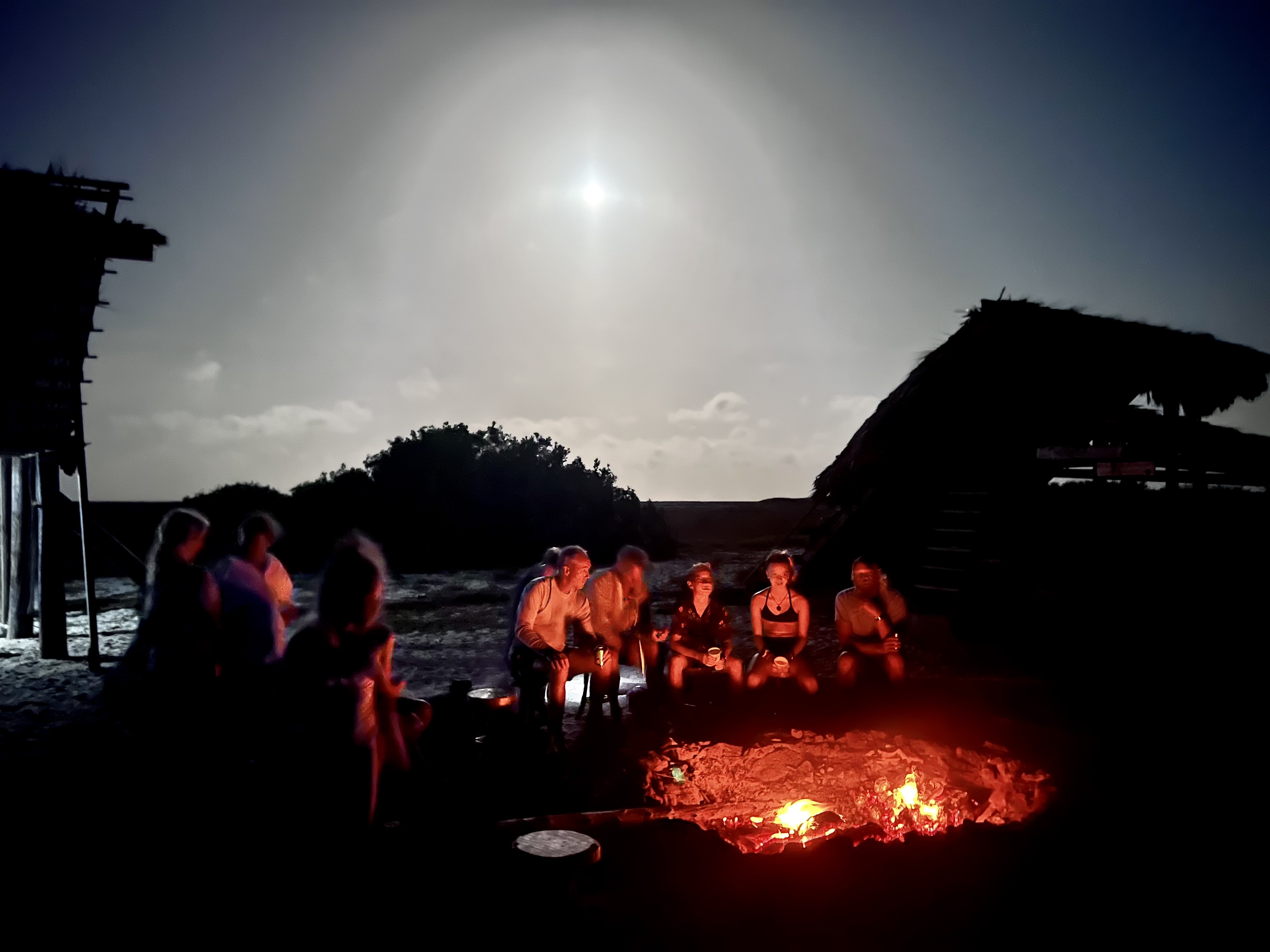
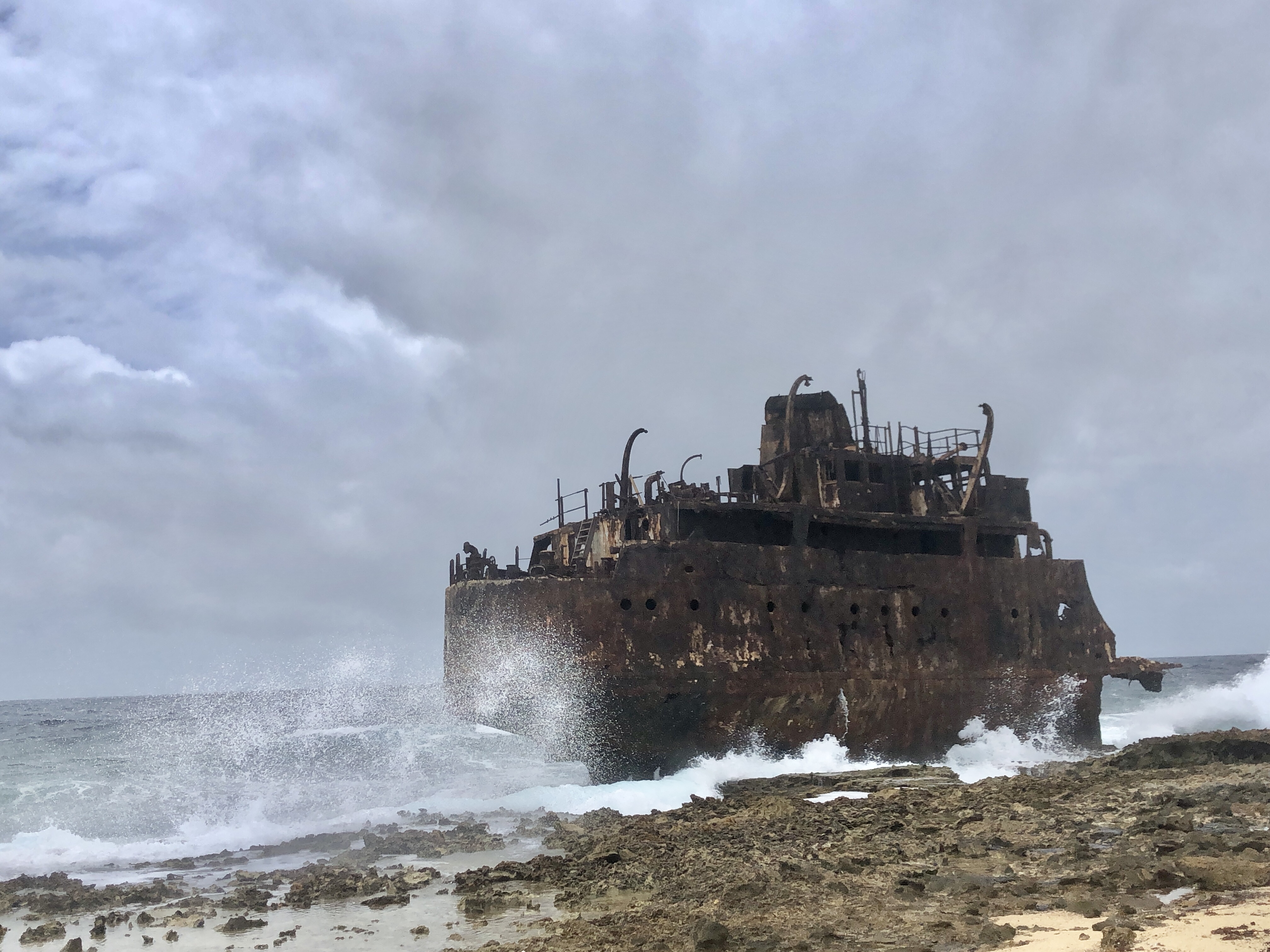
We enjoyed two memorable days on the wild and windswept island of Klein Curaçao which we stumbled upon at the time of the May full moon eclipse.
THE CROSSING
Arabella and Dragonfly jumped in at the first weather opportunity to move west towards Colombia, while the other three boats chose to enjoy Curaçao a bit longer.
From then on (and now still), we almost exclusively travelled in tandem with team Arabella, four adults and three children. A South African / Honk-Kong blend of fun loving and very big-hearted people.
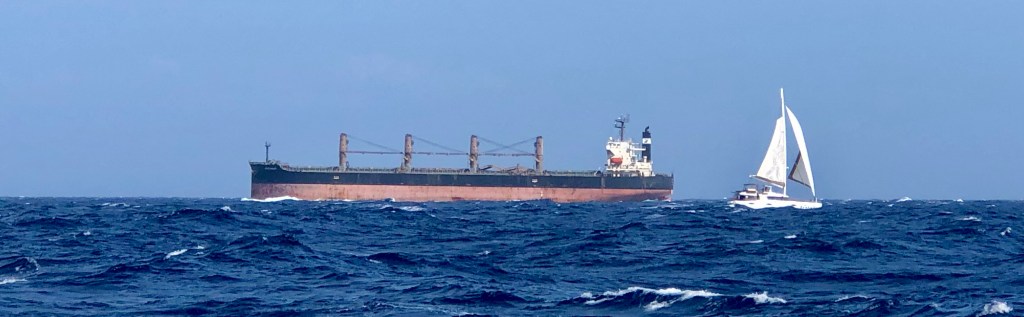
After a trouble-free passage over the top of Venezuela, we found ourselves in the doldrums, (inter-tropical convergence zone), where the wind seldom blows. We would hardly sail again for many weeks until we reached the Pacific ocean.
A TASTE OF COLOMBIA
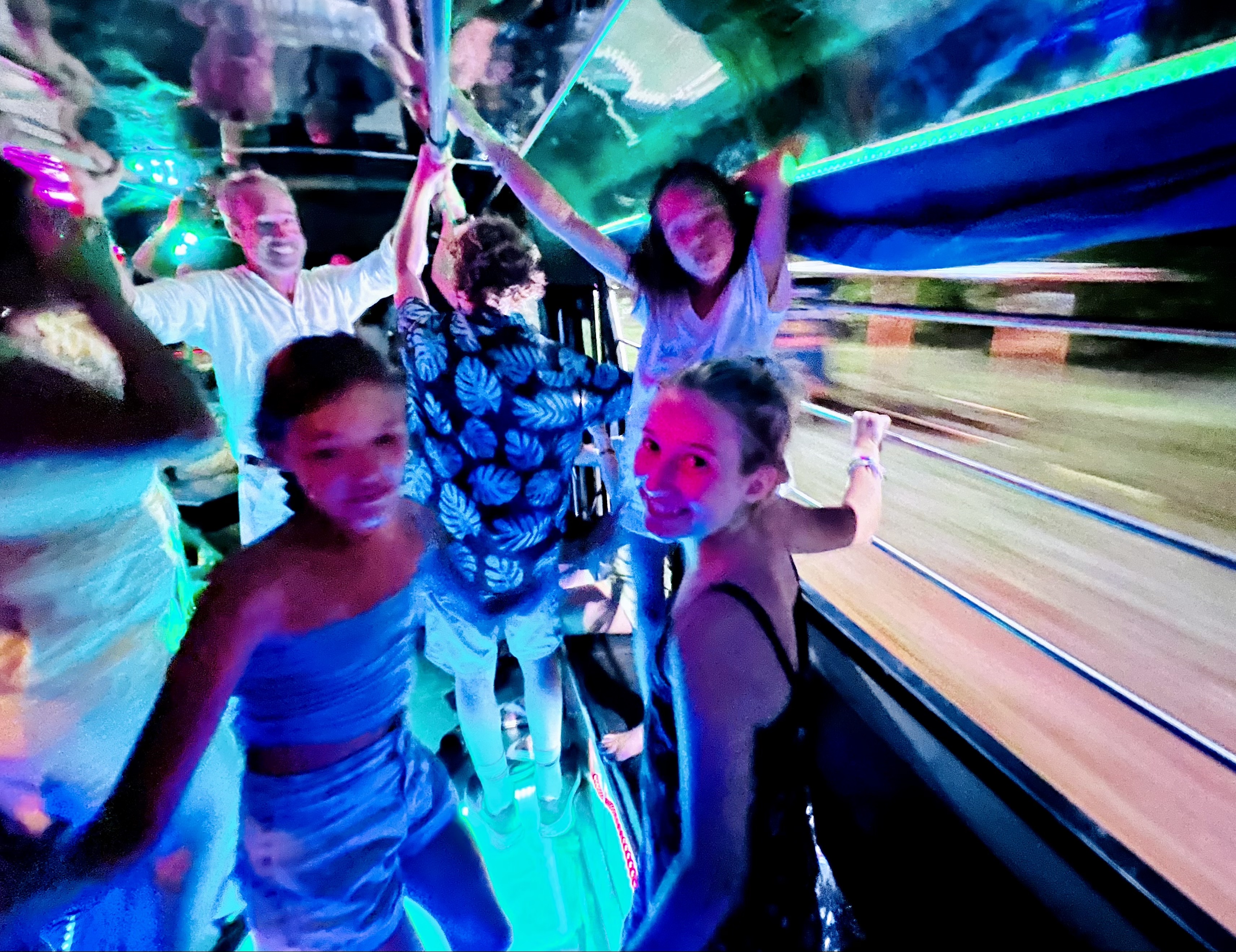
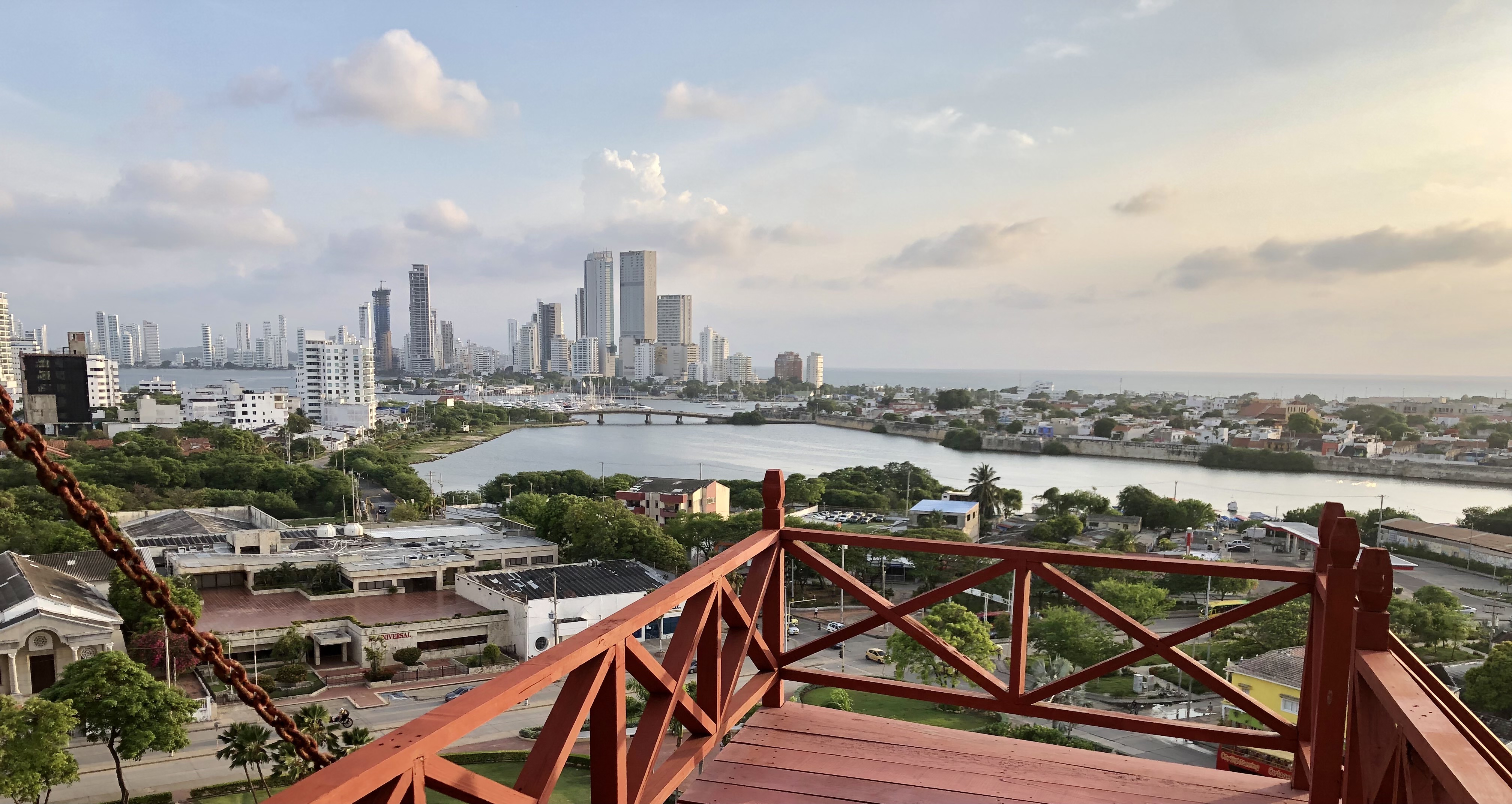
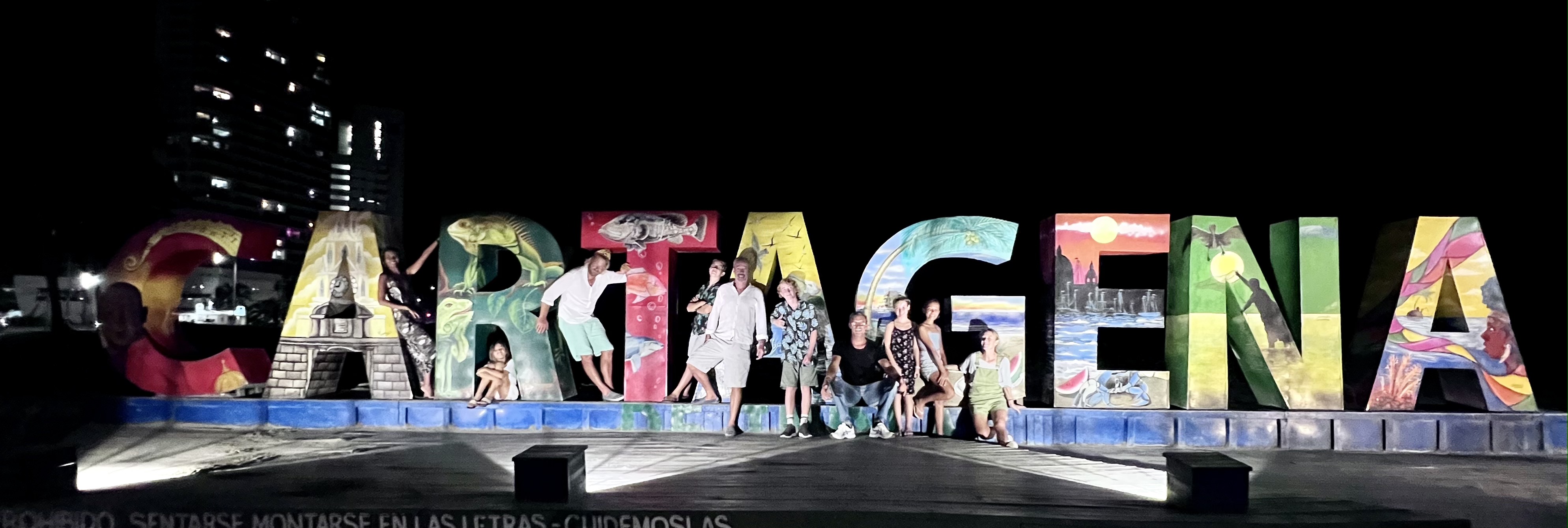
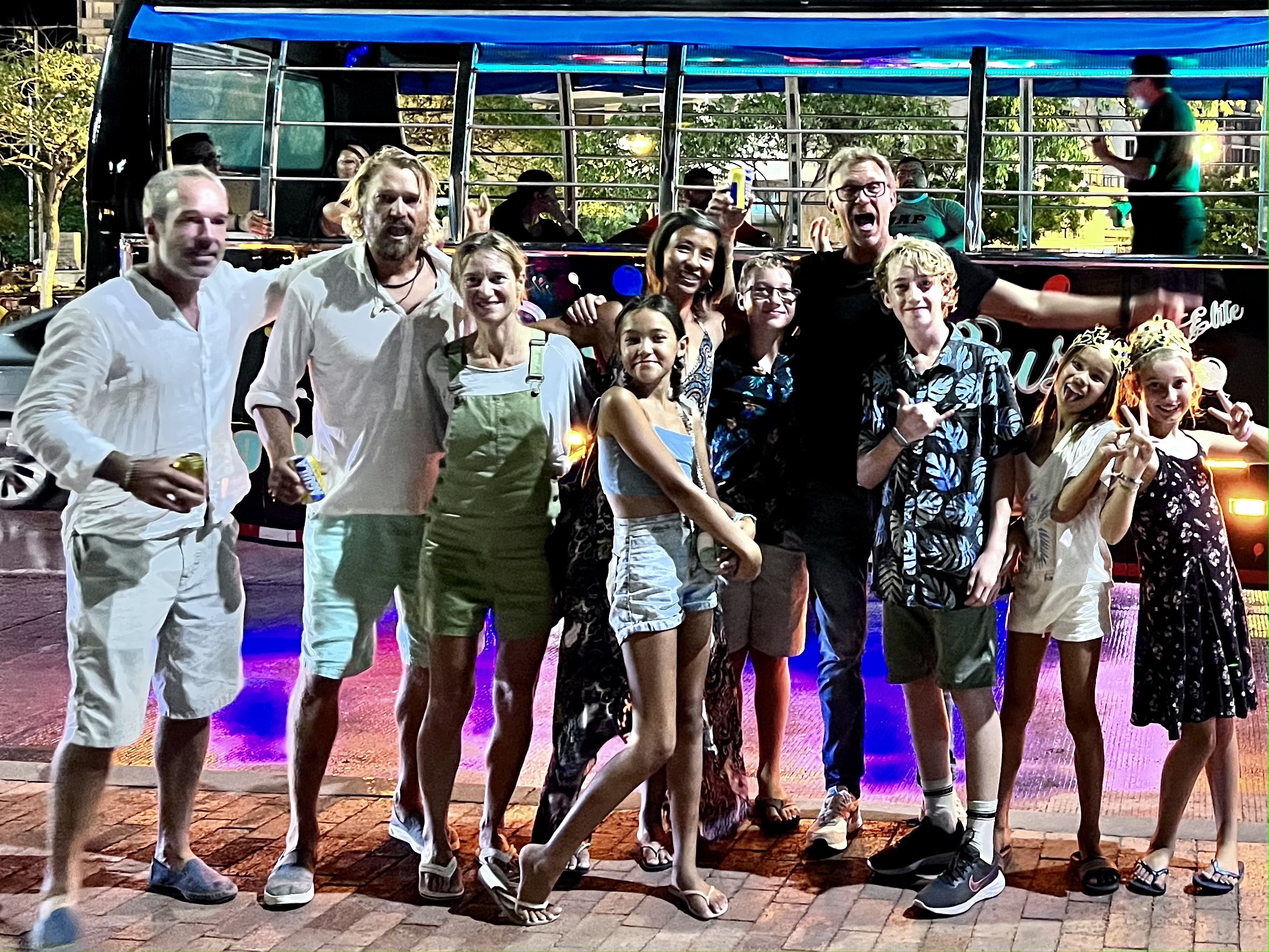
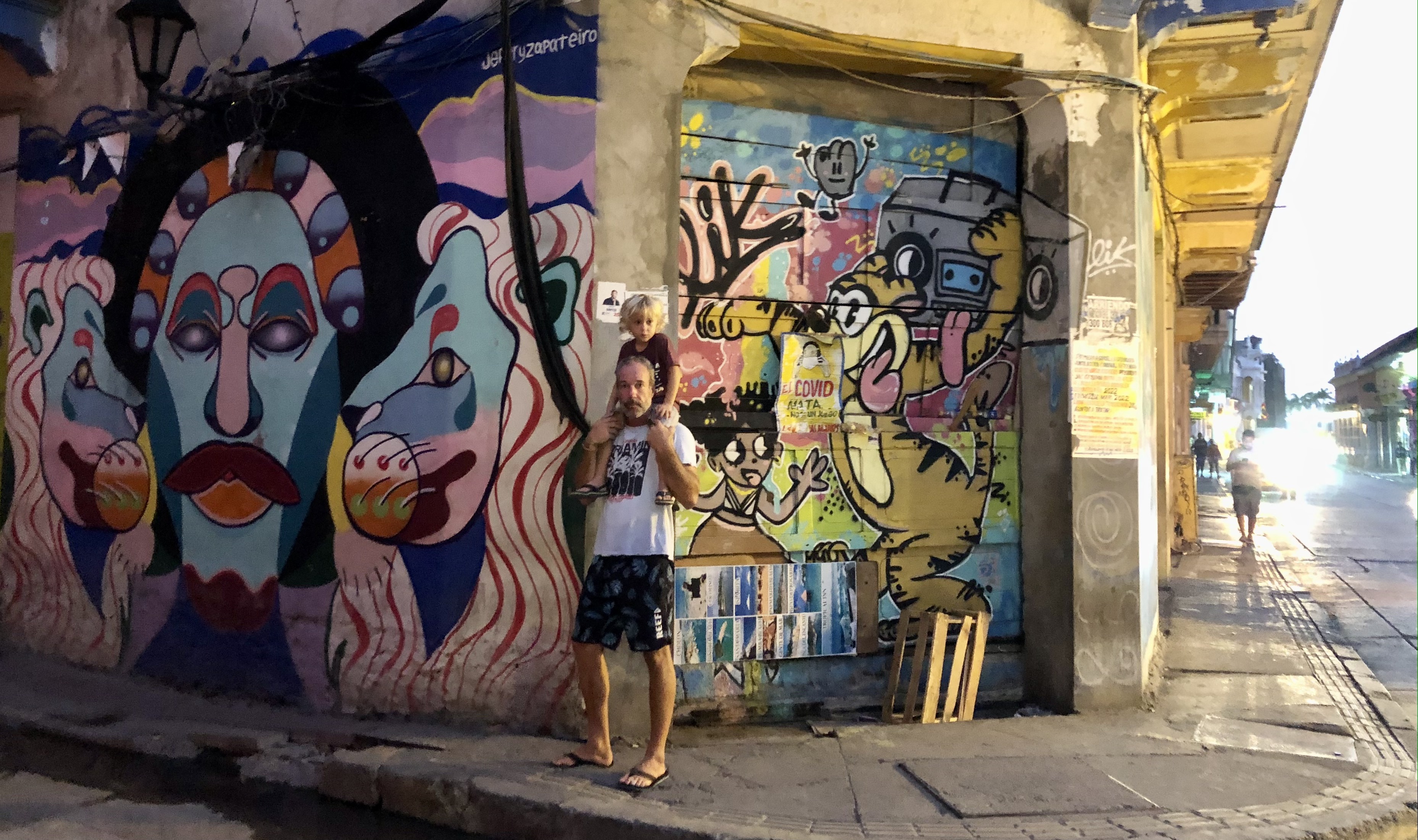
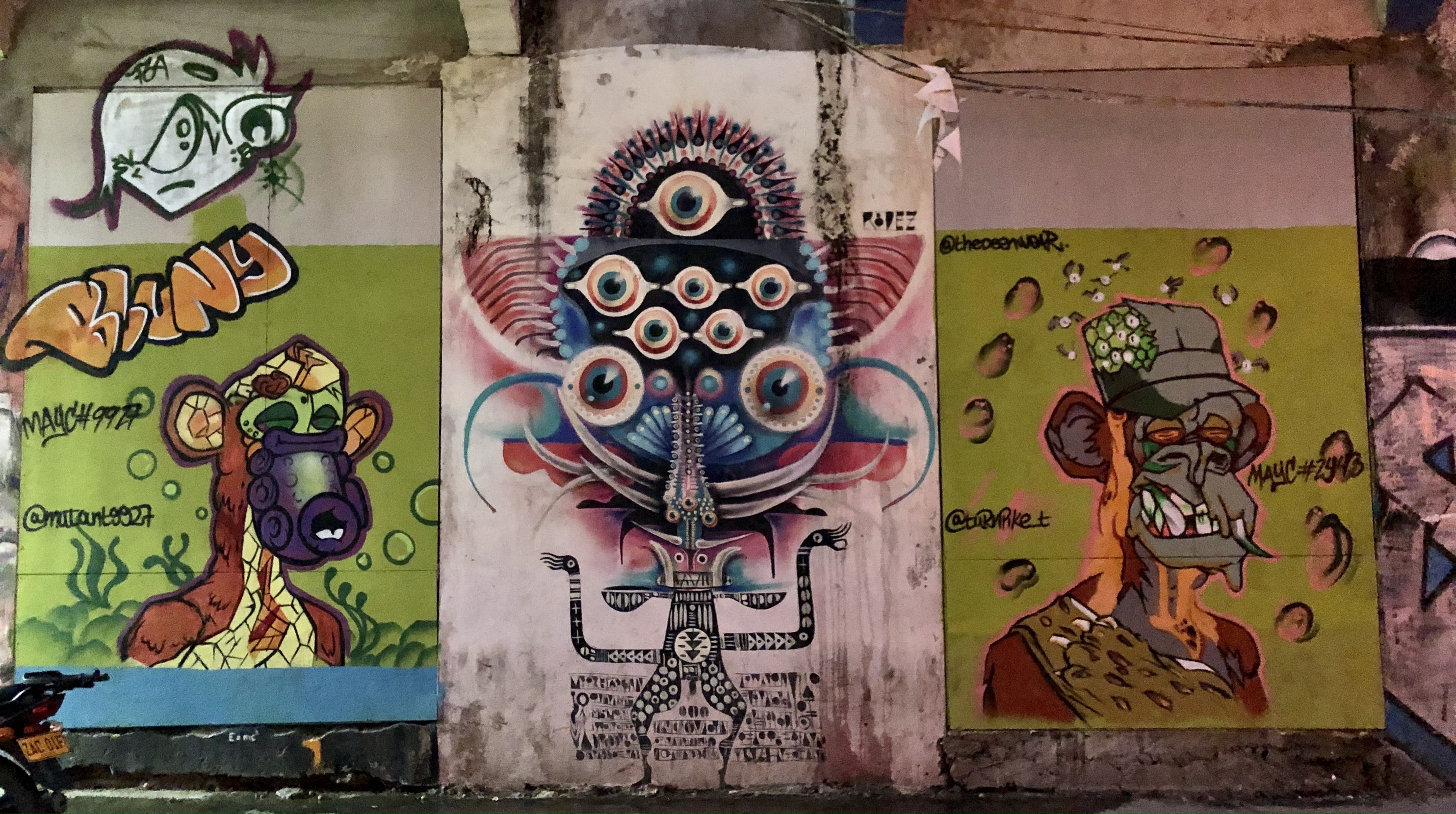
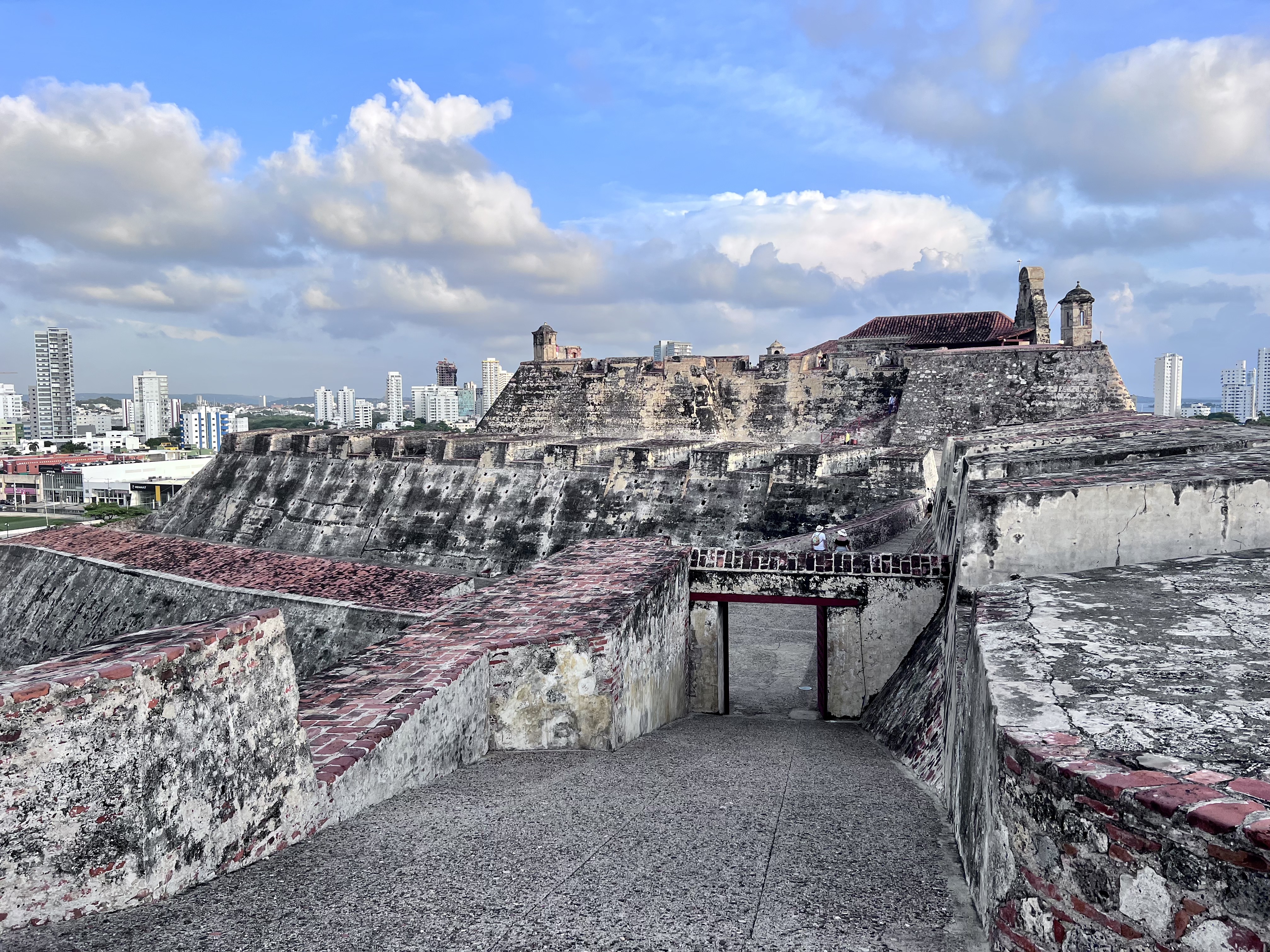
A four-day stopover in Cartagena, Colombia, left us marvelling at the insatiably festive spirit of the locals, the beauty of the old town, its vivid mural artwork, and the outrageously loud celebrations that spring to life after nightfall. By day, we were knocked out by the intense heat that slams over the land and makes it difficult to undertake anything. This heavy heat became a constant for many weeks to come.
FALL FROM HEALTH
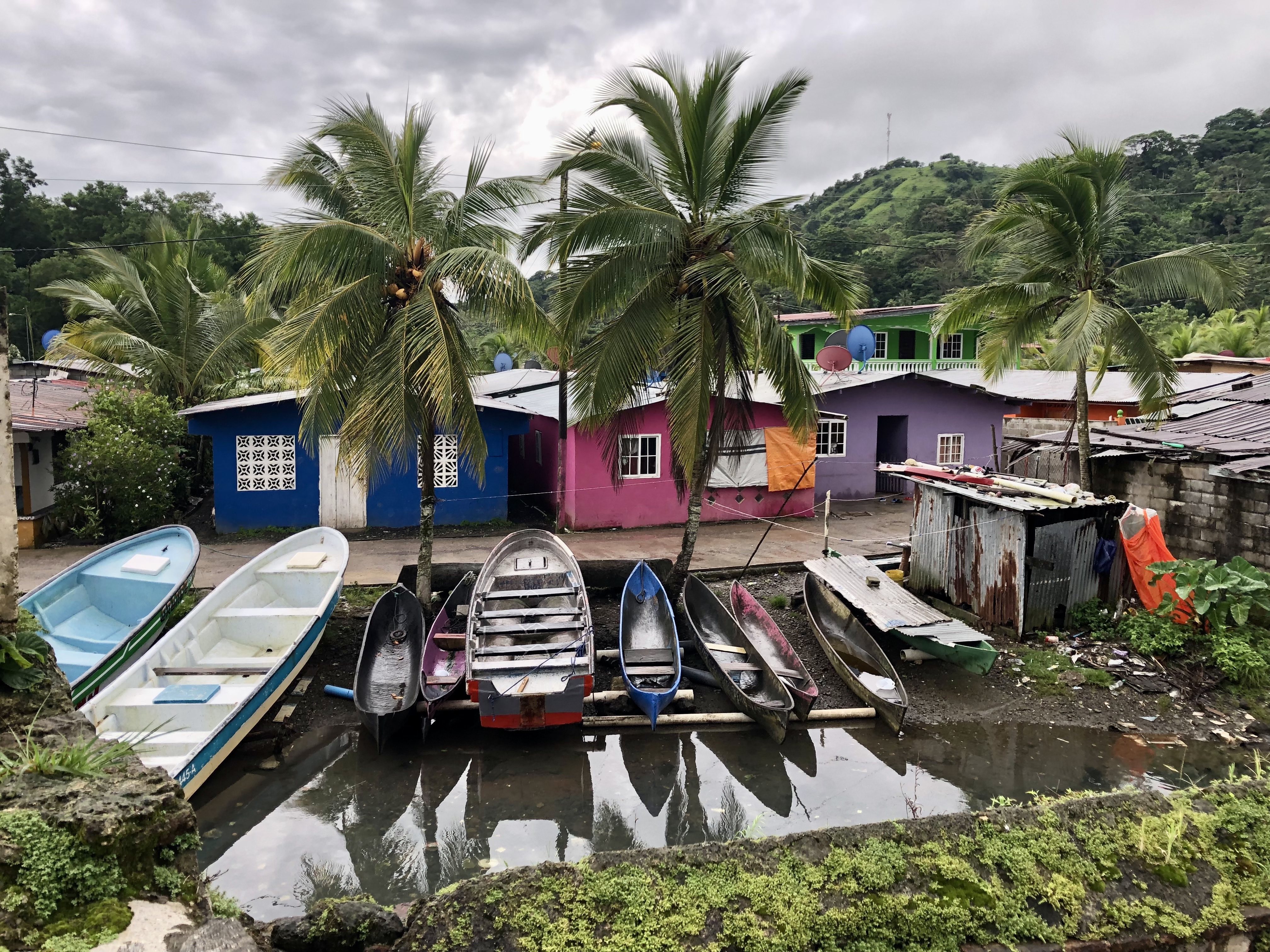
In the first days of June, we headed deeper into muddy waters towards the rough town and free port of Colon at the entrance of the Panama canal, feeling depleted and quietly yearning for a change of seasons.
This was a necessary stop to work through formalities ahead of our canal transit scheduled four weeks later. In the meantime, we would turn back eastward to enjoy Panama’s Guna Yala archipelago for a while (also called the San Blas).
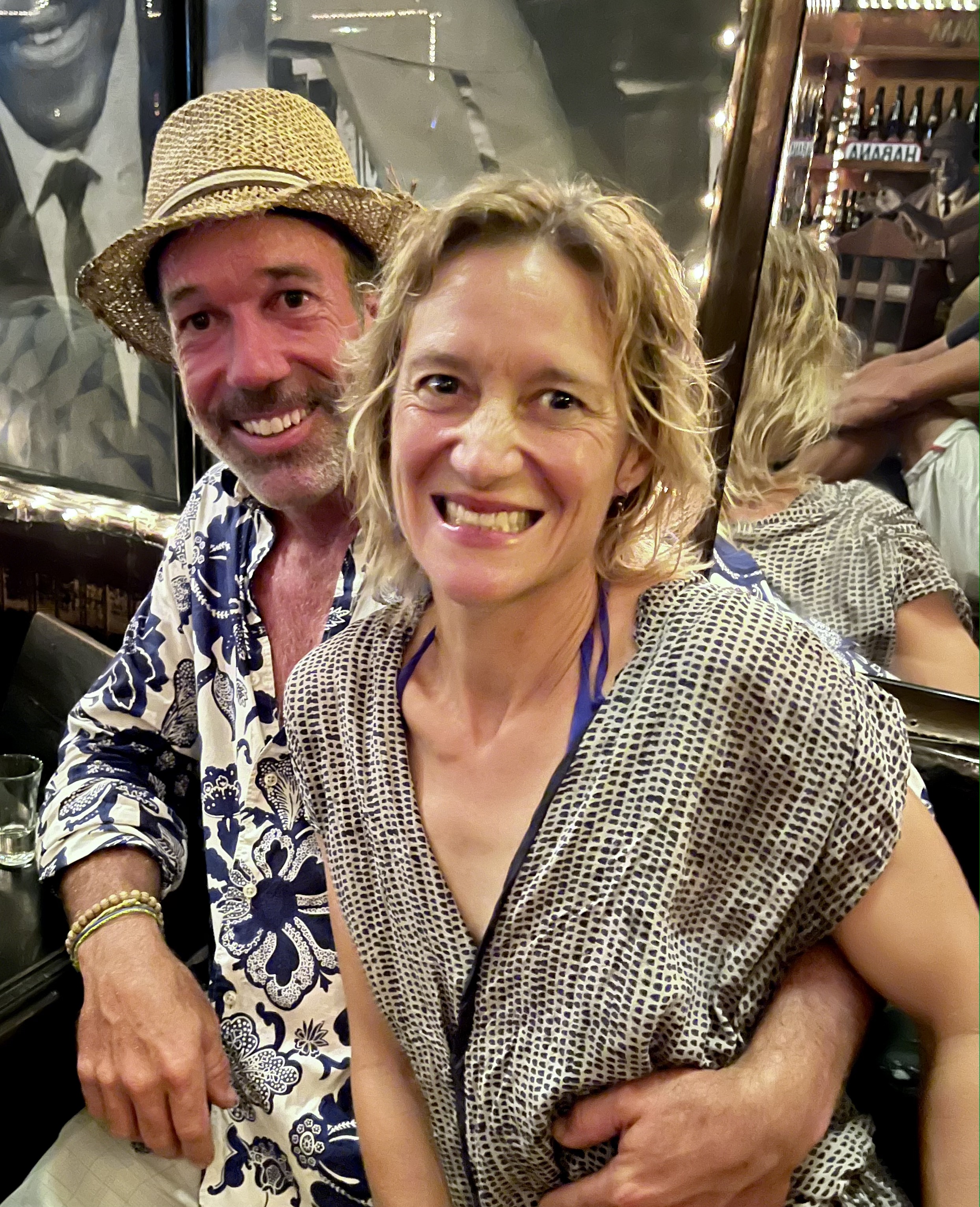
While in Colon, health concerns weighed on Simon’s mind. He braved the unwelcoming neighbourhood and heat to see a doctor at the local hospital. He was prompted to see a urologist as soon as possible.
Canal transit preps done, we turned back over our tracks and anchored near Portobello National Park. From there Simon would arrange a car trip across the isthmus to Panama City (on the west coast) to see the specialist after the weekend.
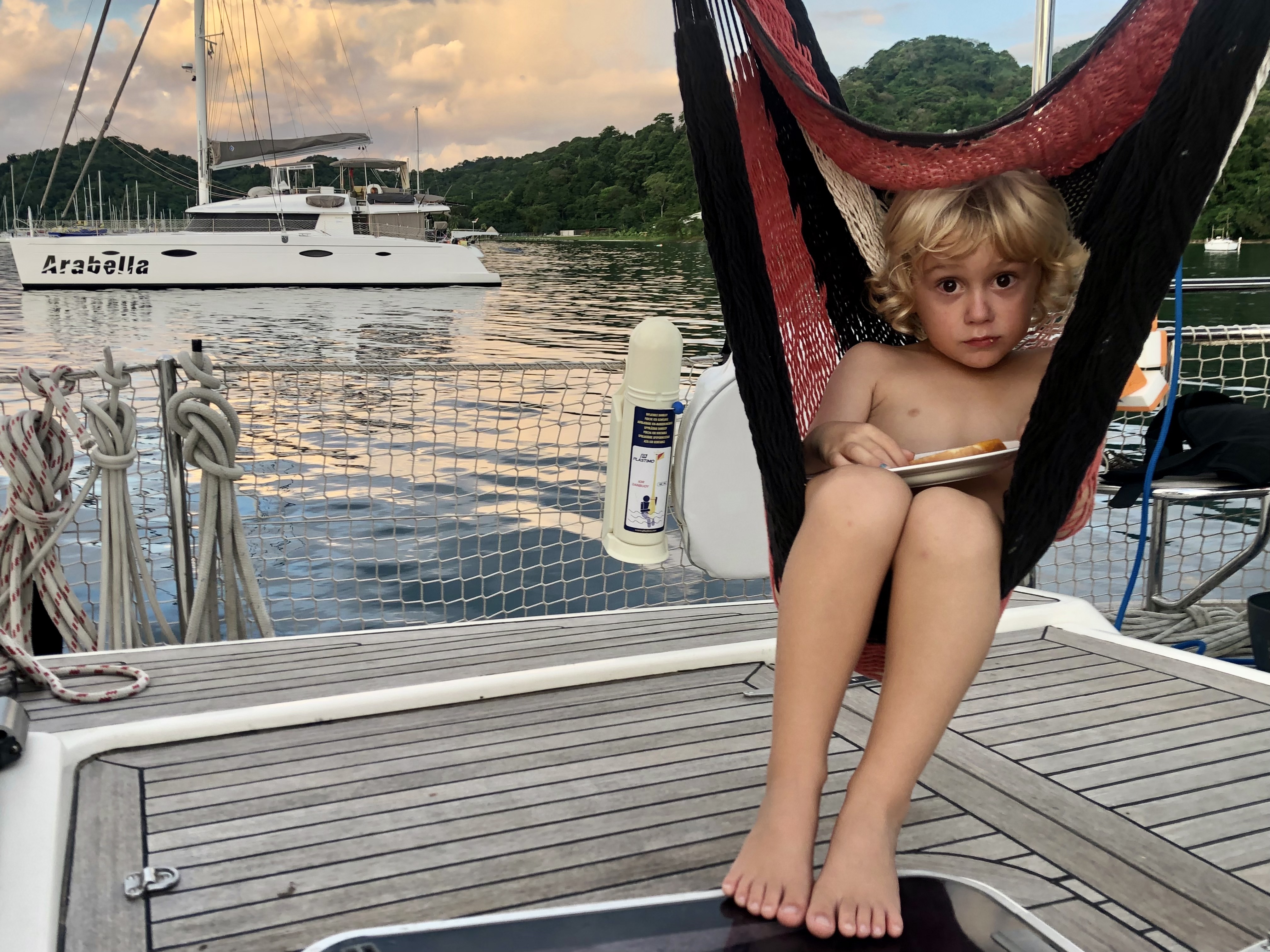
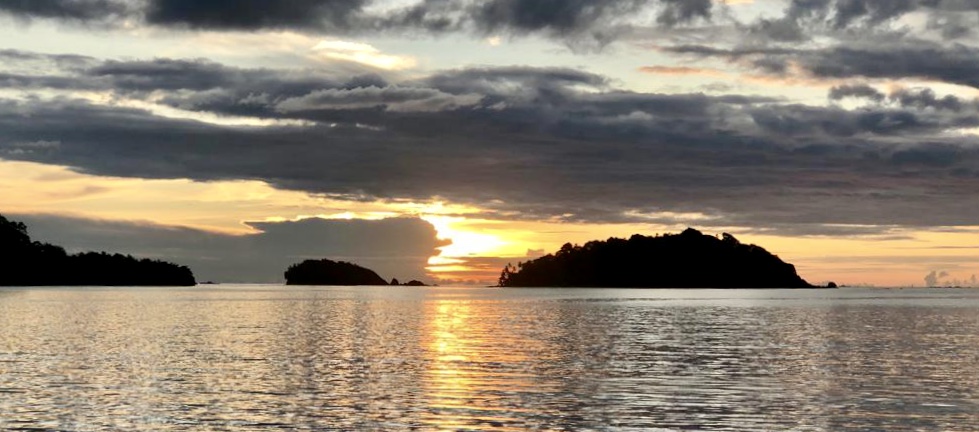
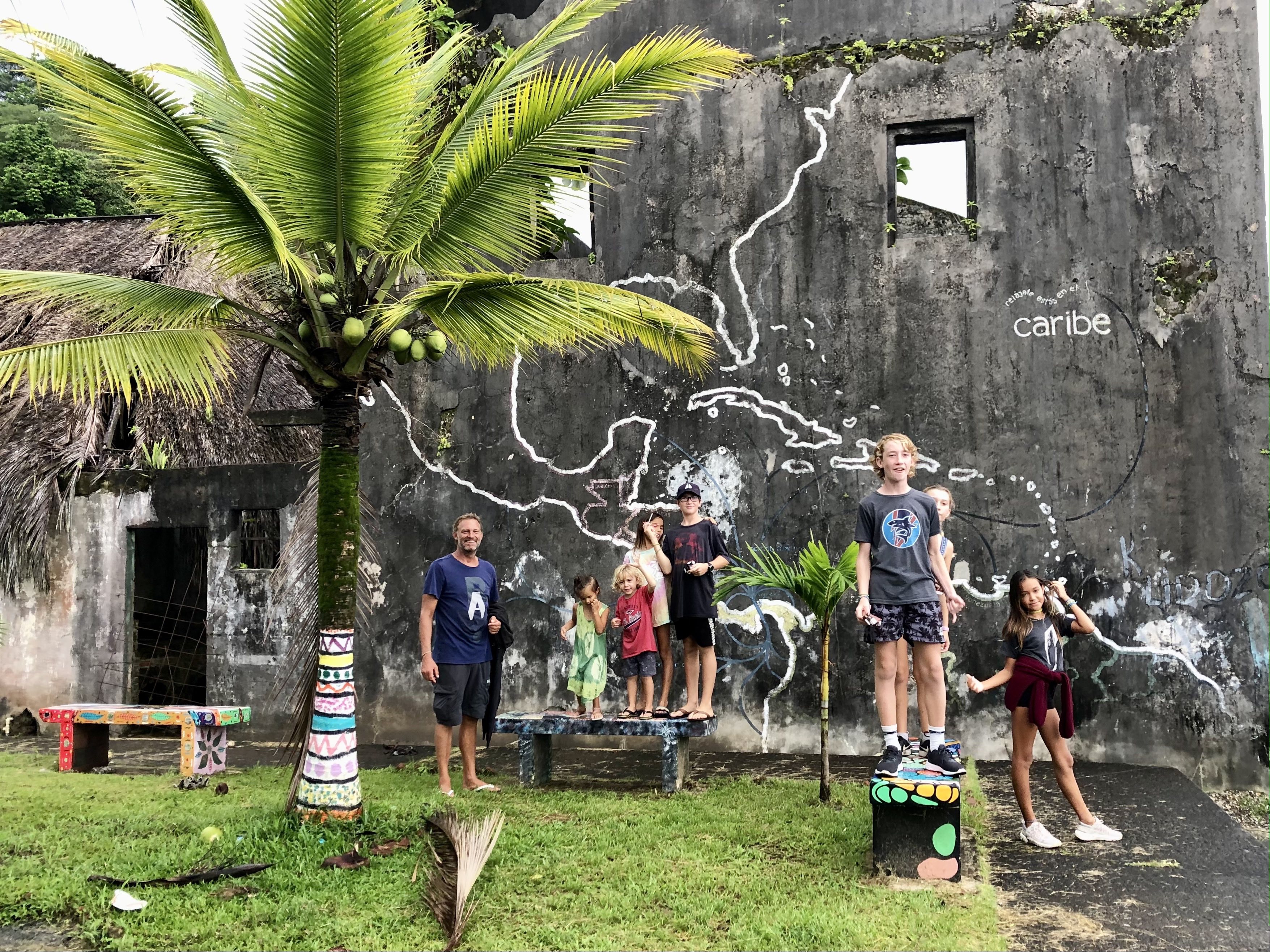
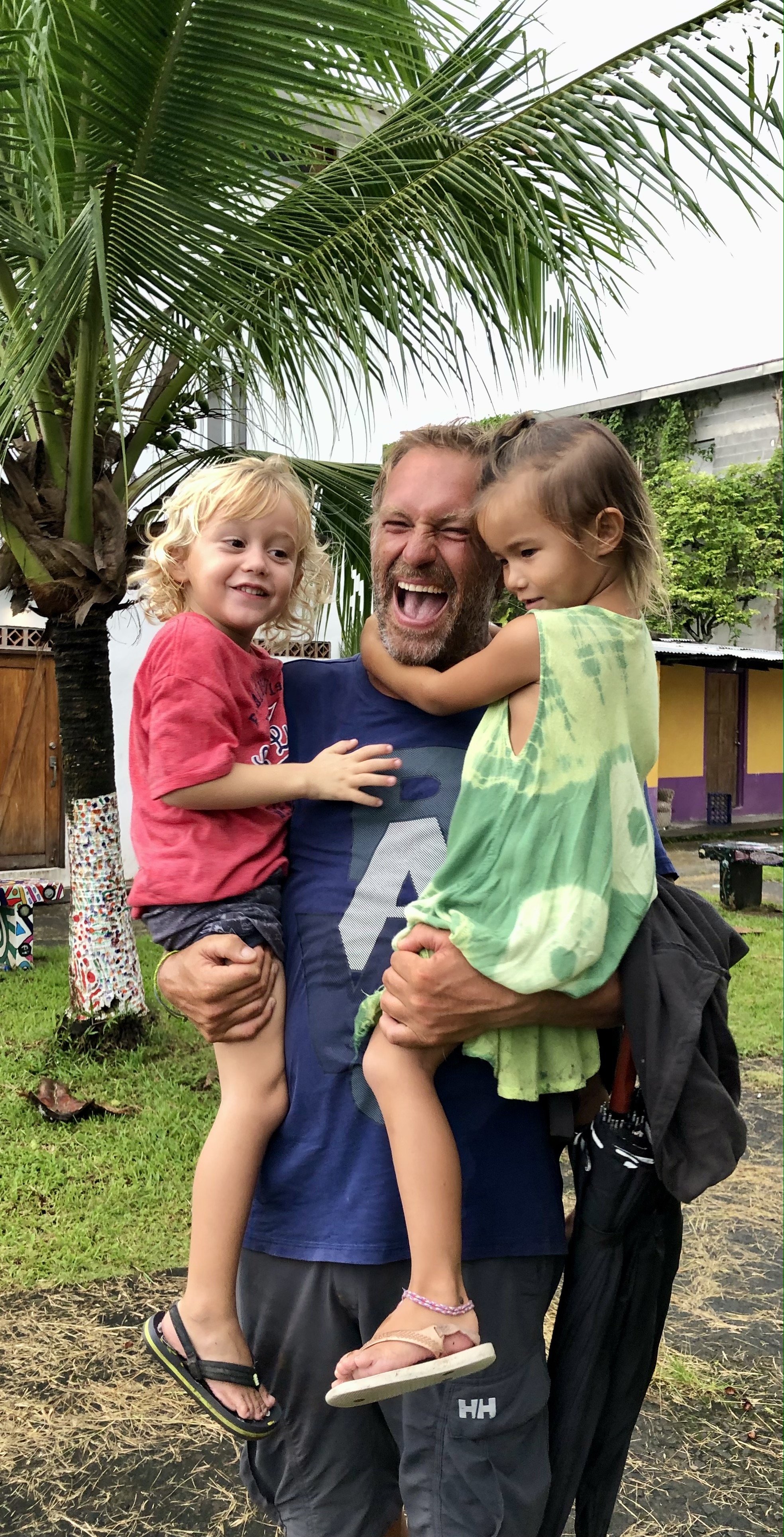
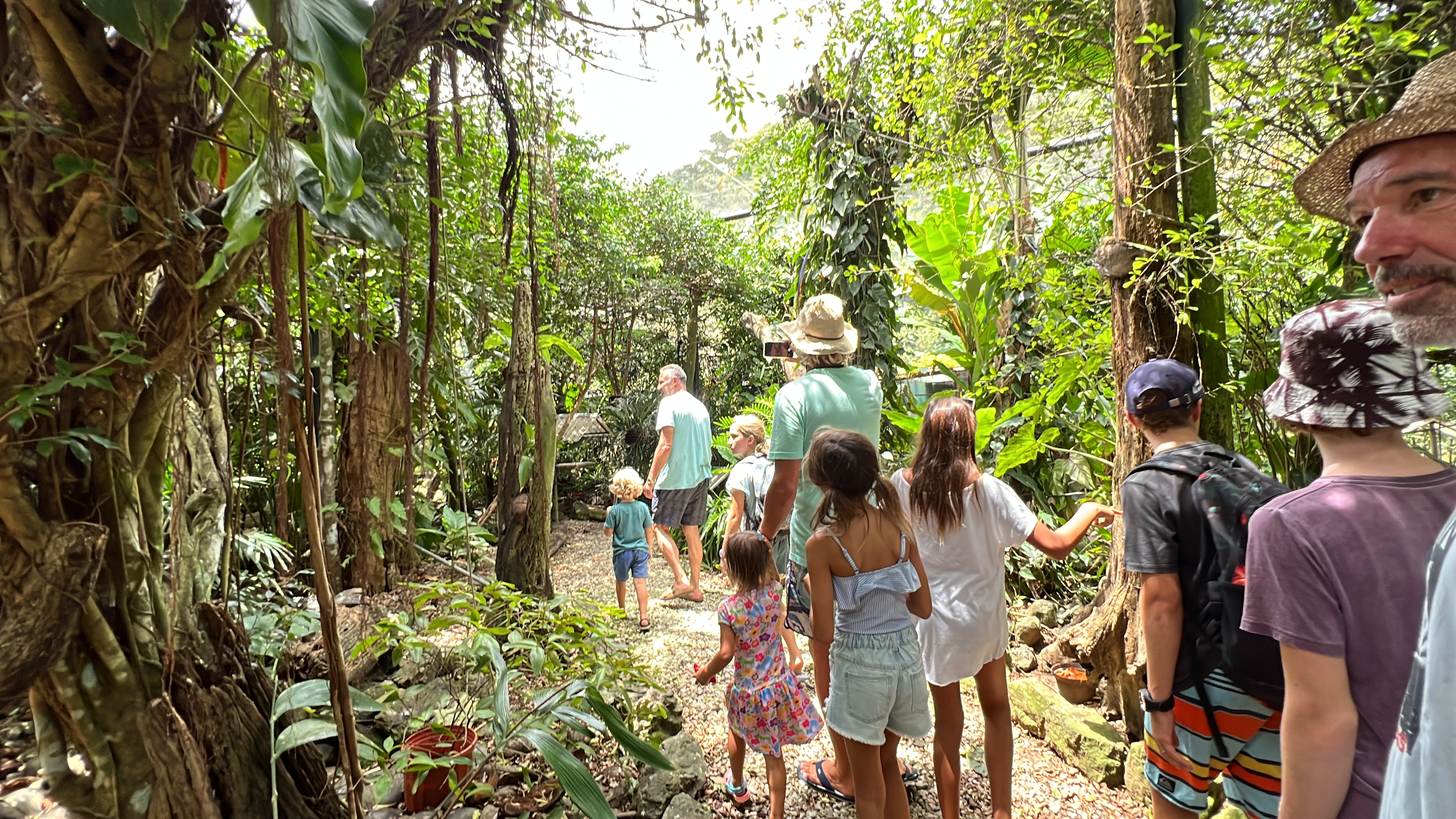
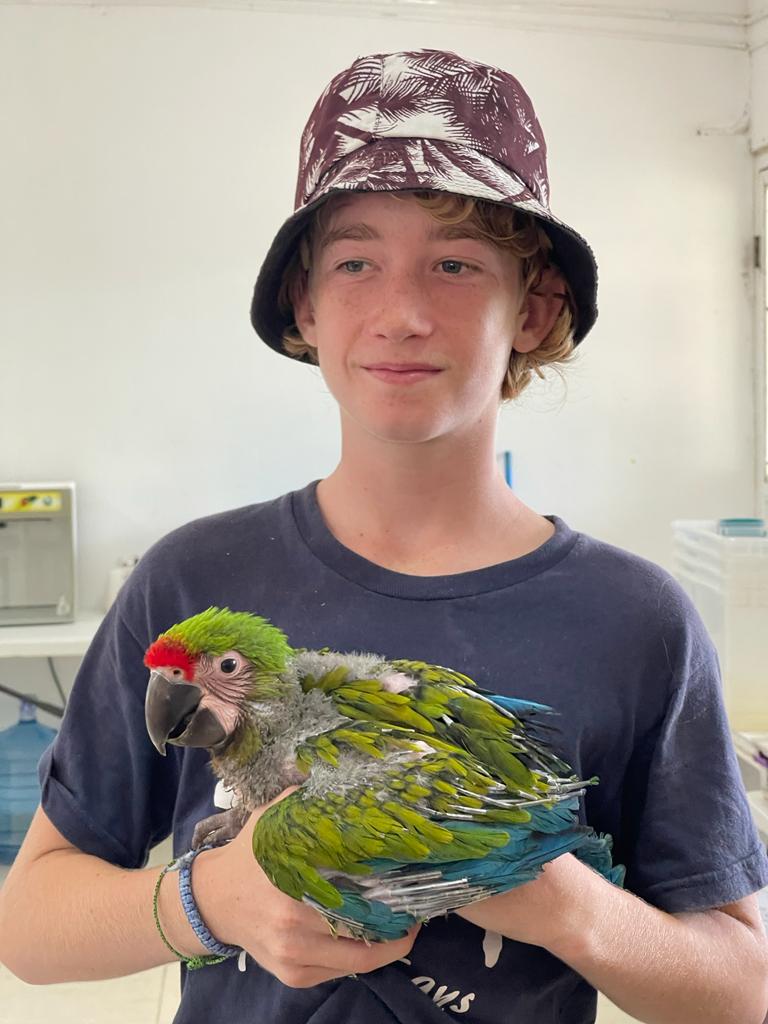
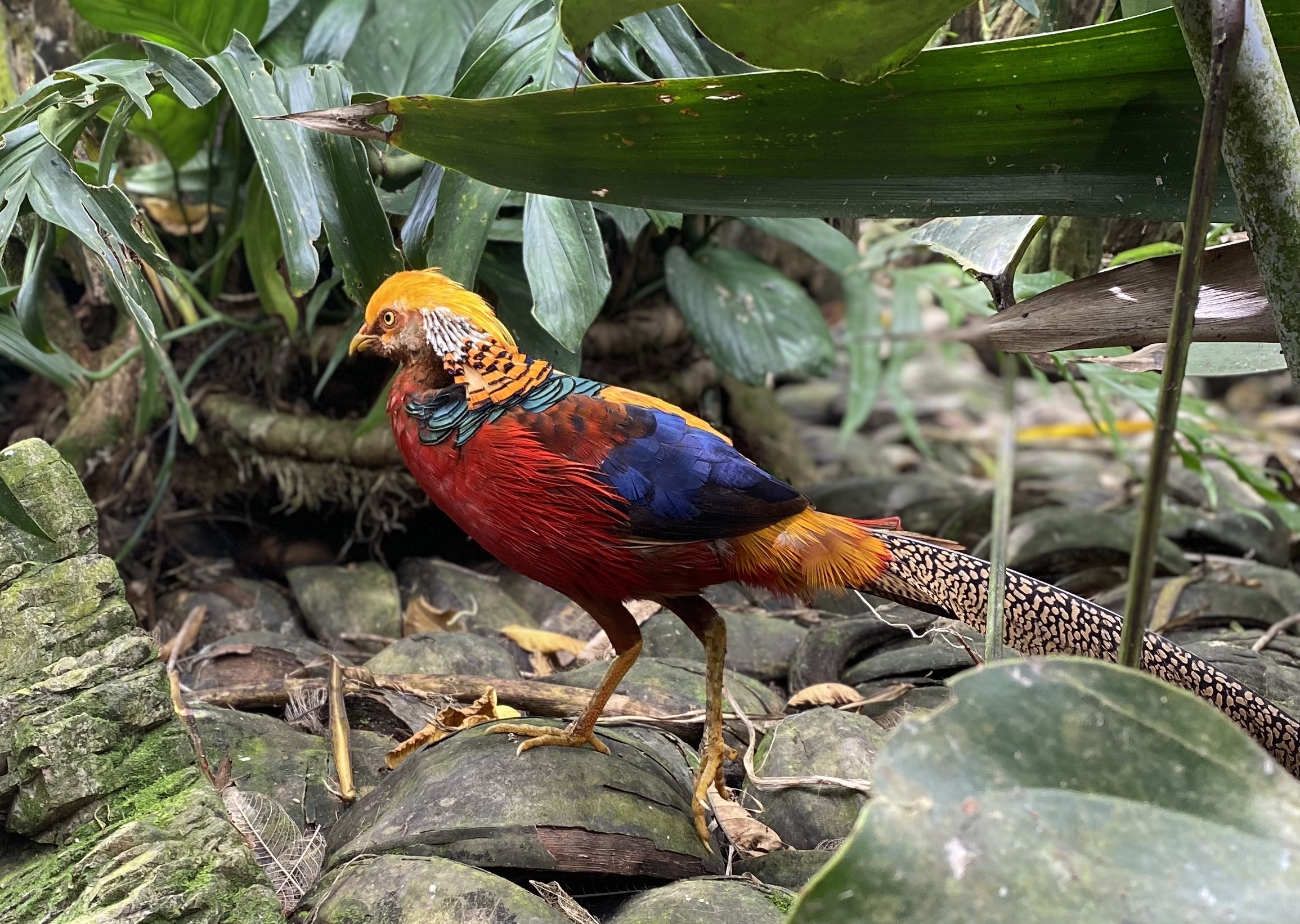
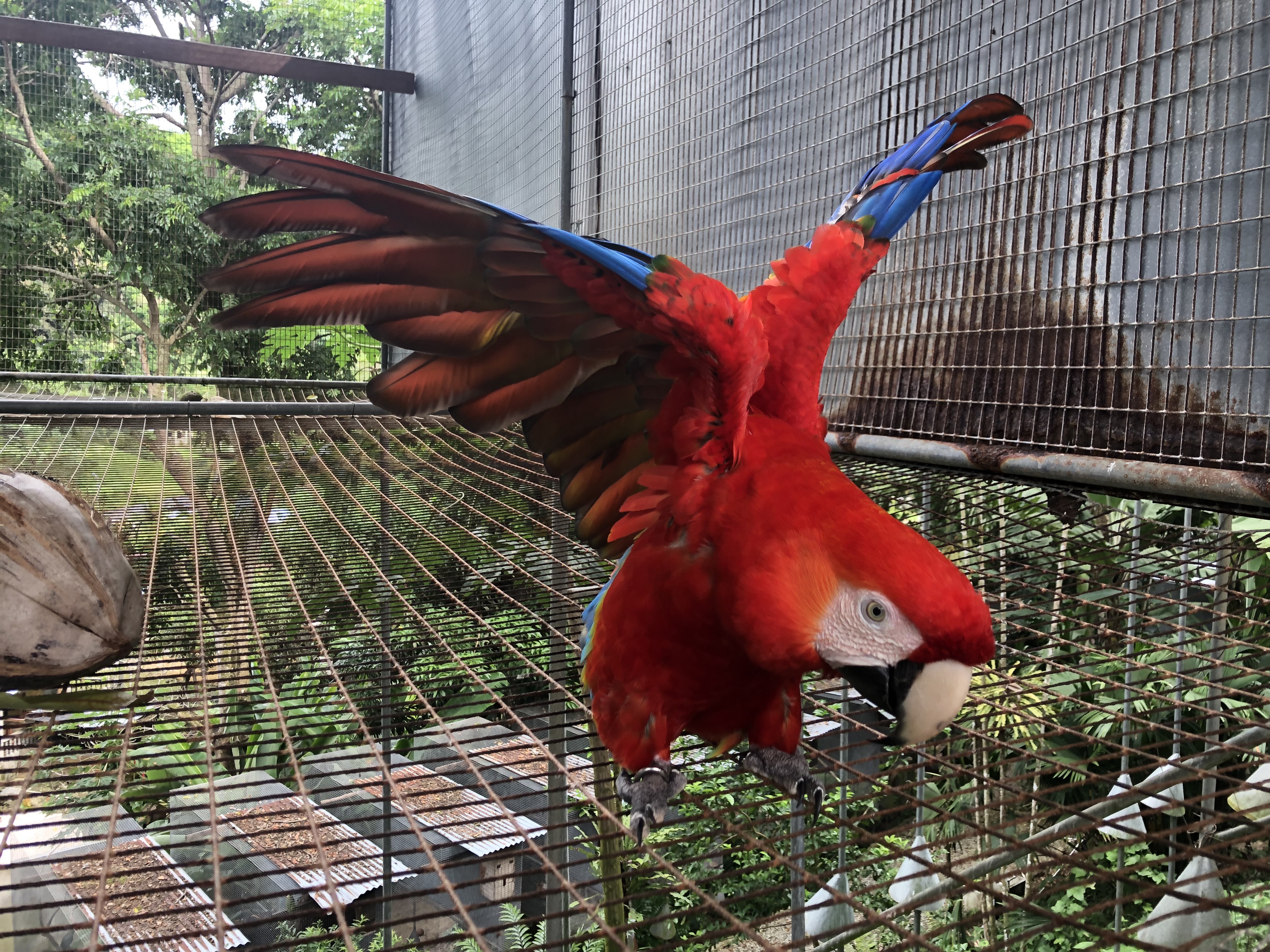
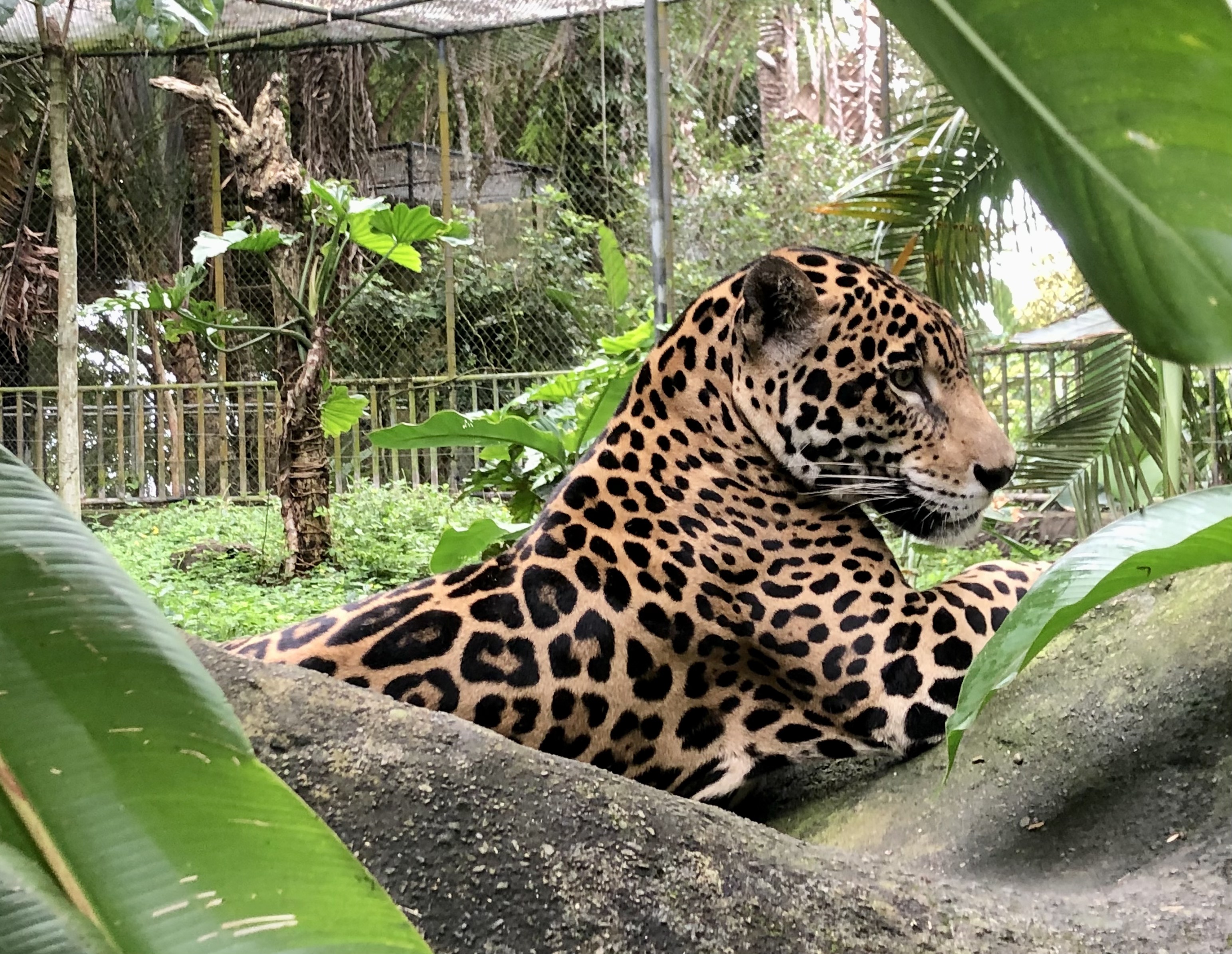
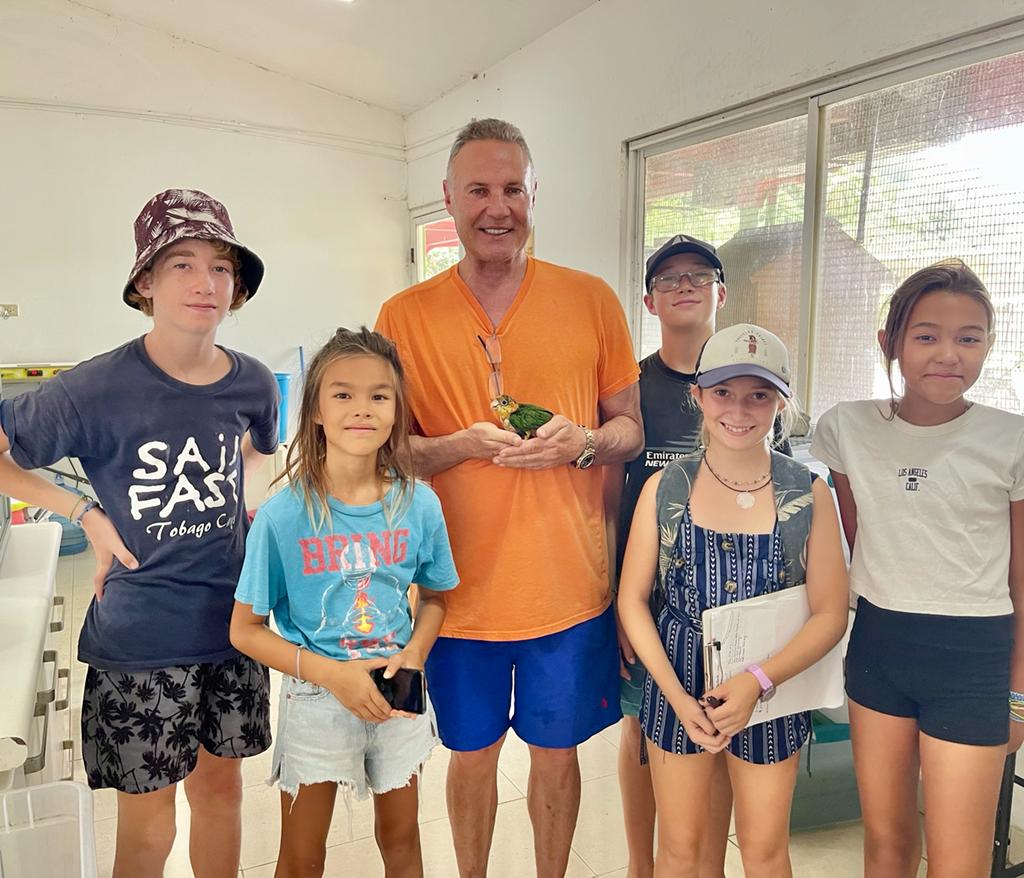
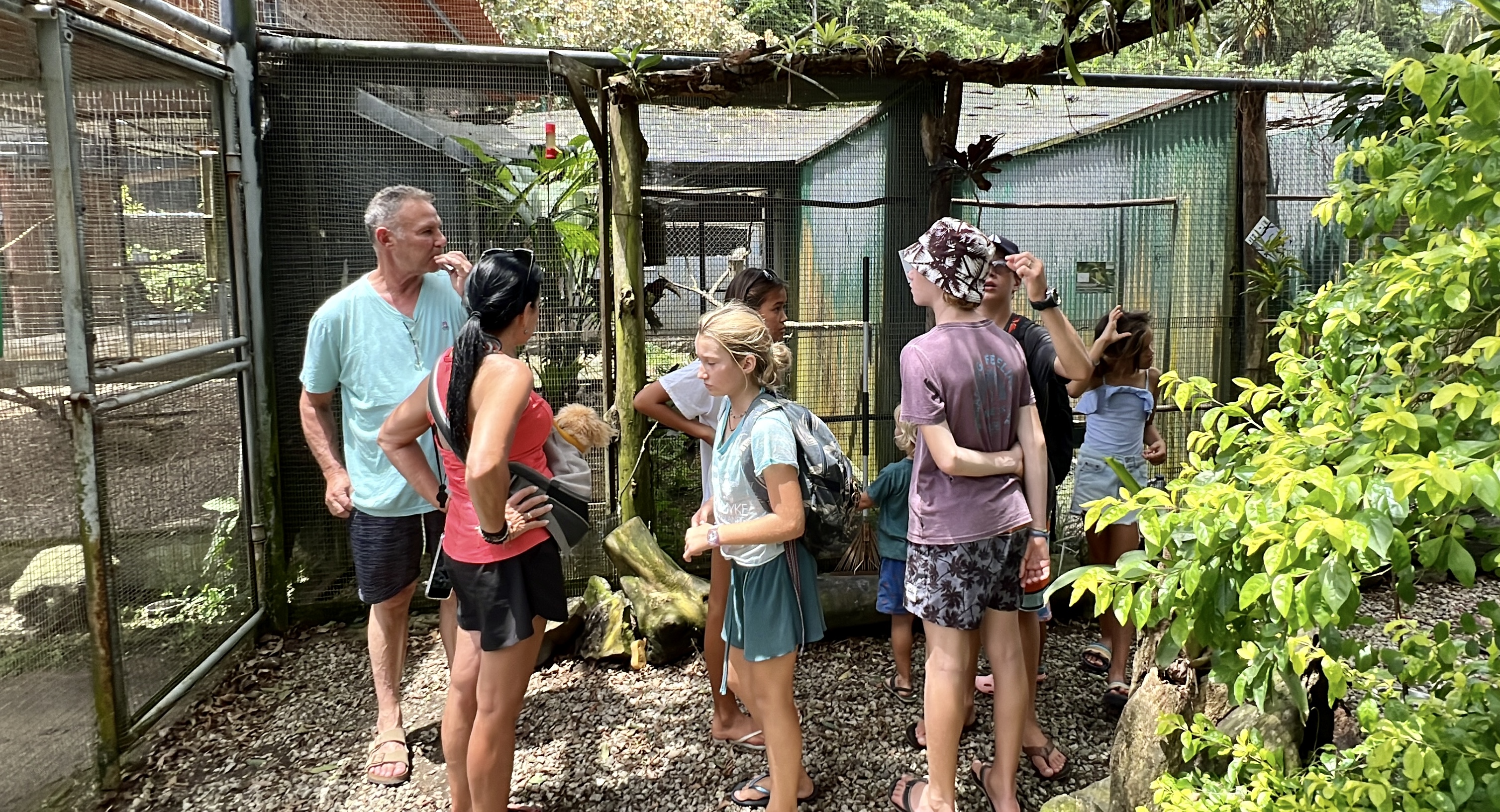
As things tend to happen when in the company of Grant, larger than life captain of Arabella, we were warmly and unexpectedly welcome onto his land by a charismatic man, Jacobo Laks. Over the years, this adventurous entrepreneur has gathered the largest private collection of endangered birds in the world and developed a sanctuary and conservation centre near Portobello. Jaco and his Harvard scientist friend Susan were so much fun and wonderfully engaging with the children. Jaco’s sphere of influence turned out to play an invaluable role in the quality of care that Simon received in Panama City a couple of days later.
Under the wings of mates Grant and Alex, Simon made his way to the big city hospital. That same day, he was diagnosed with a metastatic type of cancer, and a few hours later, underwent surgery. A series of tests over the course of three days left us hanging in that space in-between wondering whether Simon would be okay and if our travels had suddenly come to an end.
The various results eventually came as a great relief with a prognosis as good as one could hope. Simon’s health must be kept in check, relapse is possible. On the other hand, there is probably no better medicine than learning to master happiness on this sailing life he loves so dearly in order to recover fully. Indulging in what energises his well-being in order to support those amazing self-healing abilities. There is no other place Simon would rather be, what a blessing we can keep this lifestyle going!
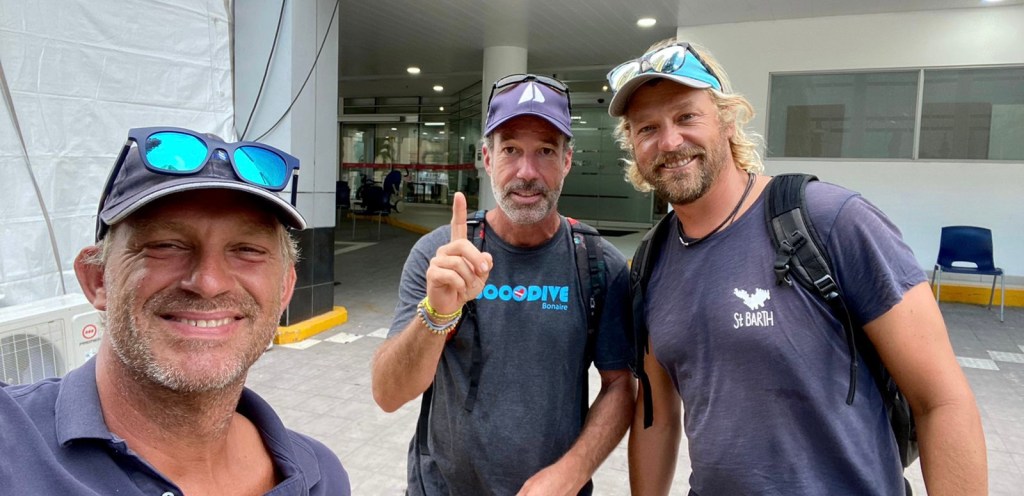
Grant and Alex’s uplifting company through these rough seas was precious beyond words. The three Southern men grew very close.
A huge sense of relief washed over all of us. However new dynamics did stir up unexpected challenges and for a number of weeks, Simon and I had a difficult time recovering equilibrium and unity.
GUNA YALA ARCHIPELAGO – PANAMA
Meanwhile, we met up again with the Bonaire clan of five for a celebratory get together in the Guna Yala.
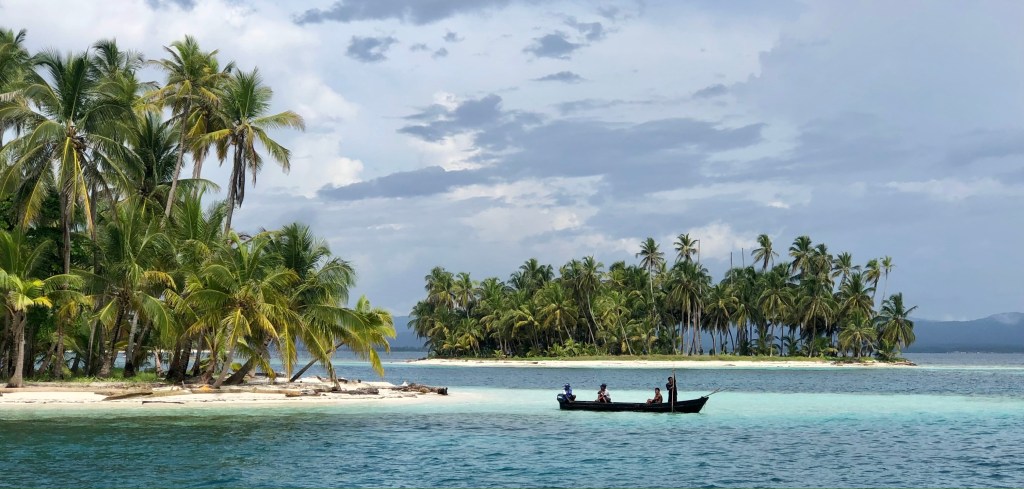
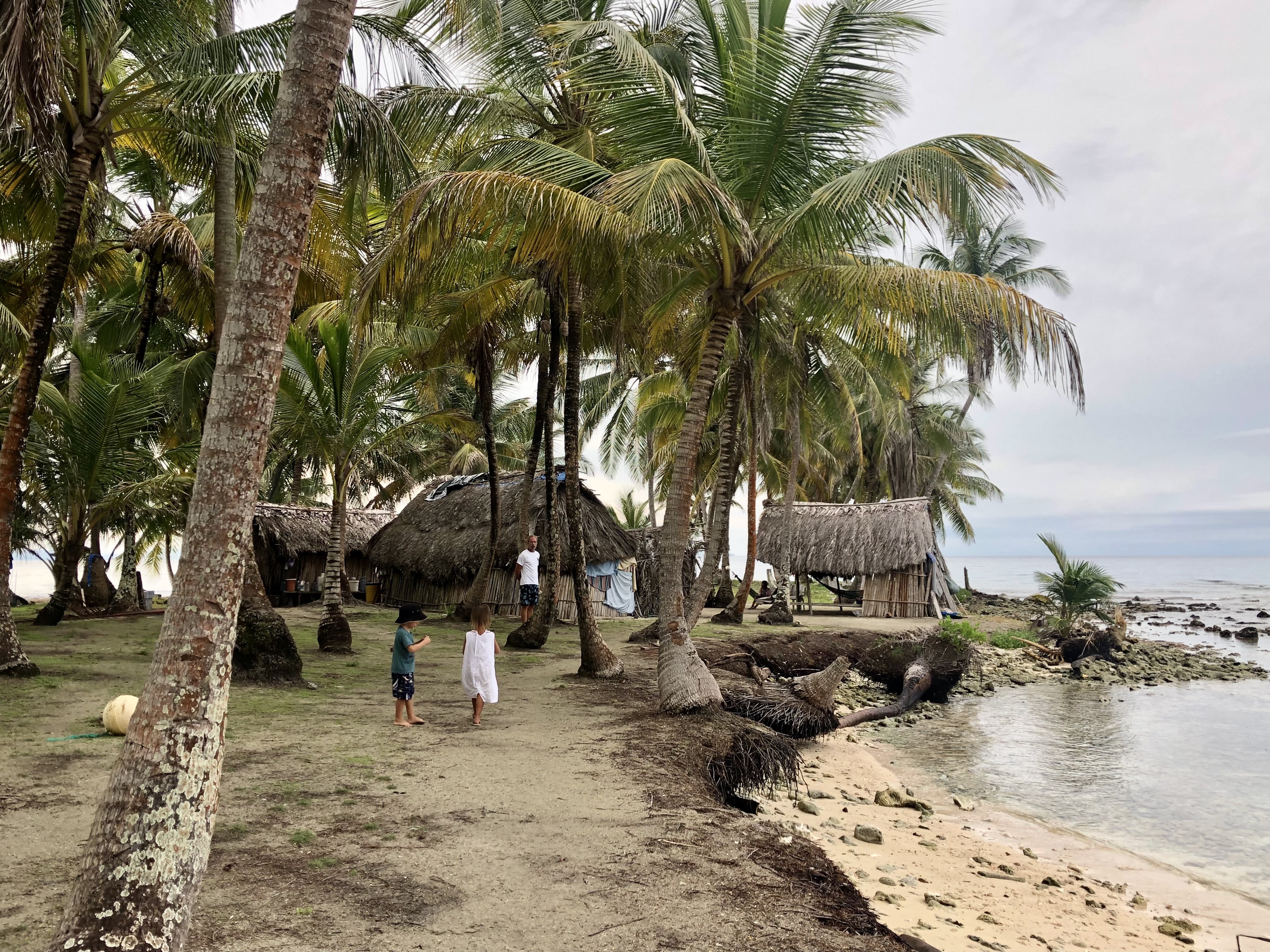
These picturesque islands are inhabited by the staunch and welcoming Guna people, a fully autonomous nation within Panama united under a hierachy of tribal leaders. They told us fascinating stories of their forefathers resisting oppression throughout the ages from the hills of Colombia to these islands, which have nowadays become their homeland.
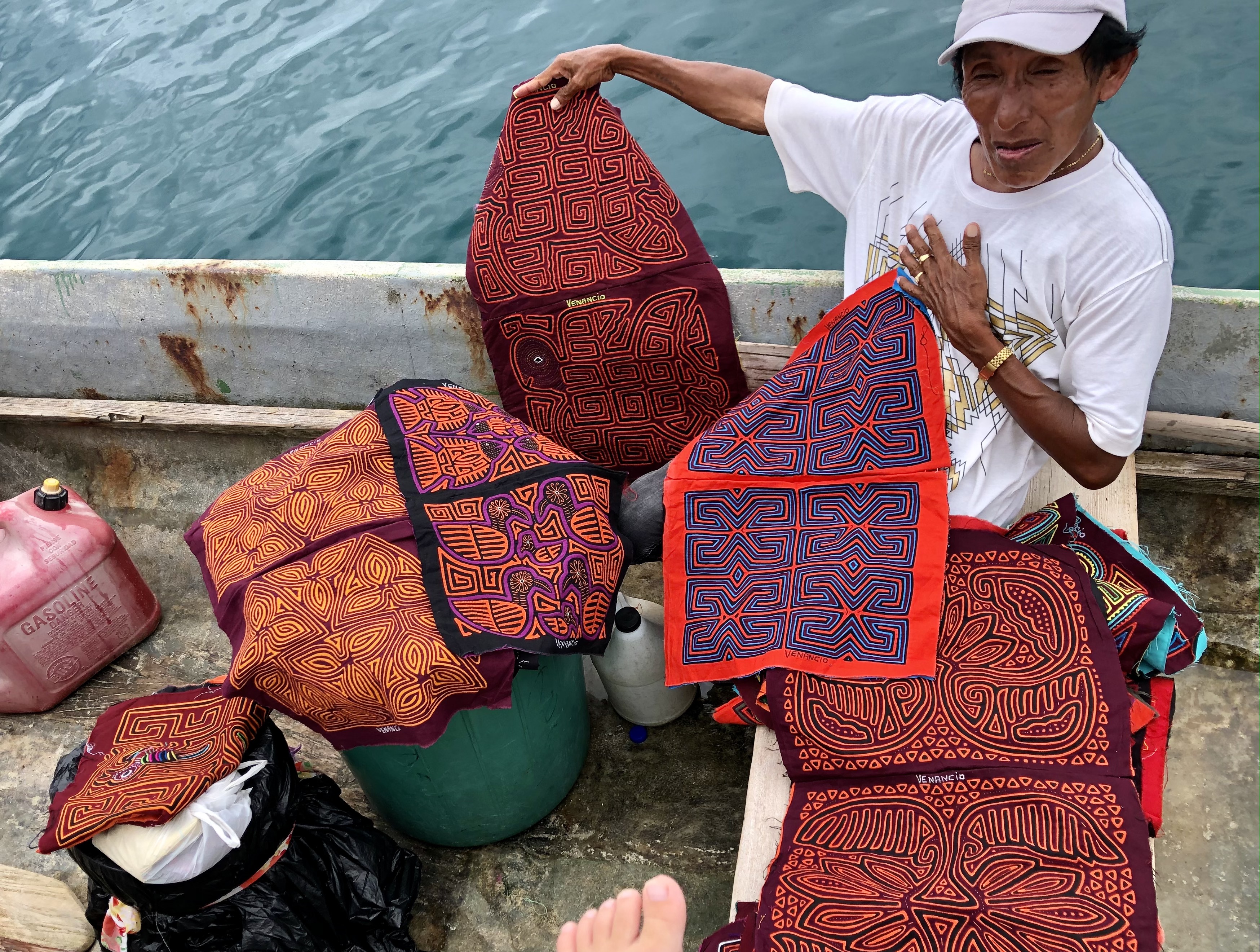
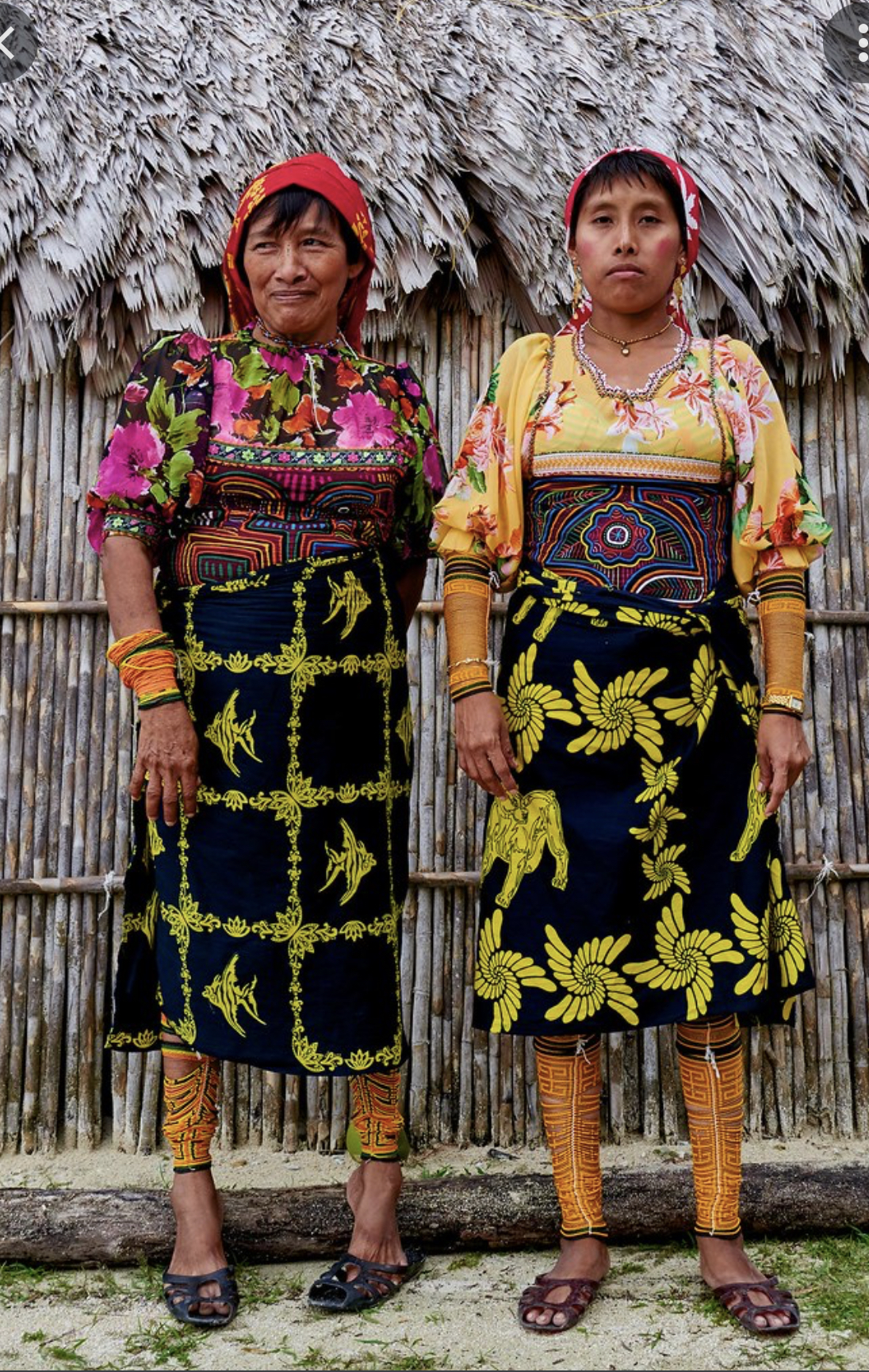
The Gunas’ traditional textile art-form, the molas, are incredibly intricate assemblages of geometric shapes, interconnected plants and animals. They adorn the traditional blouse worn by Guna women. We renewed the vibe inside Dragonfly by making super colourful cushions with this visionary artwork.
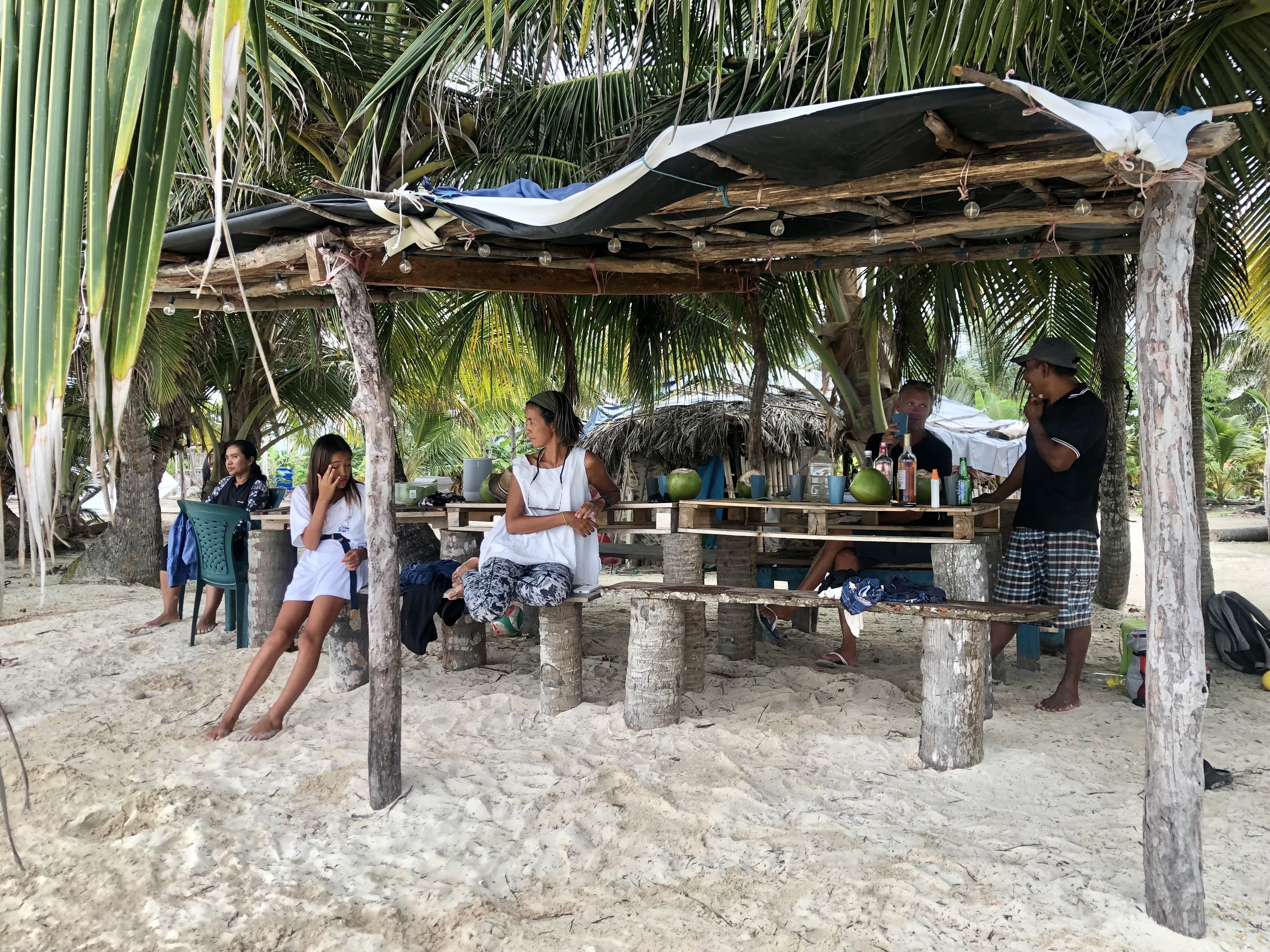
It was really uplifting to see everyone again. My absolute favourite moment was a long early morning snorkelling trip to the outer reef in the company of four great women while the dads schooled the children. The visibility was not great, but it was just so fun and liberating!
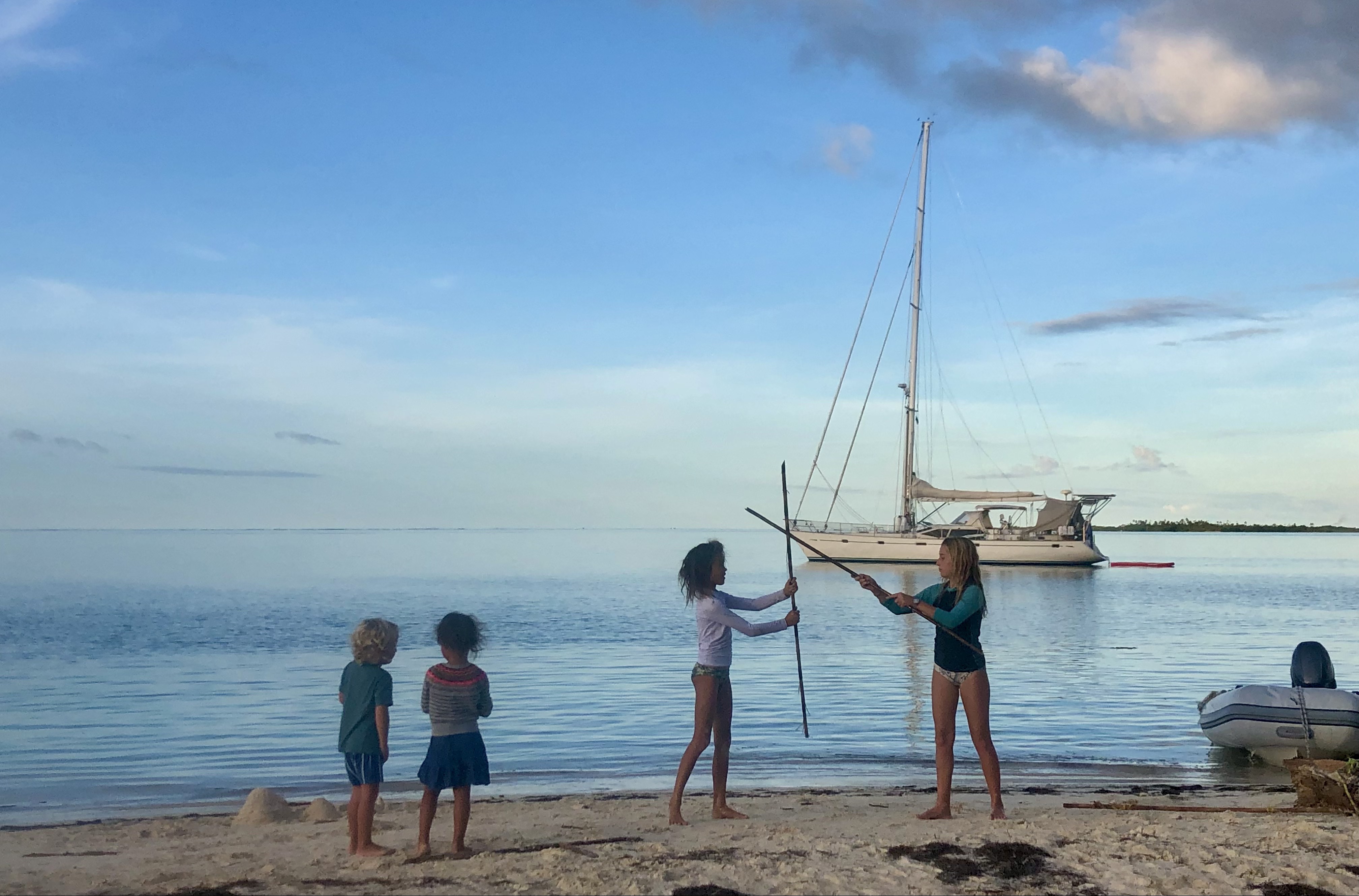
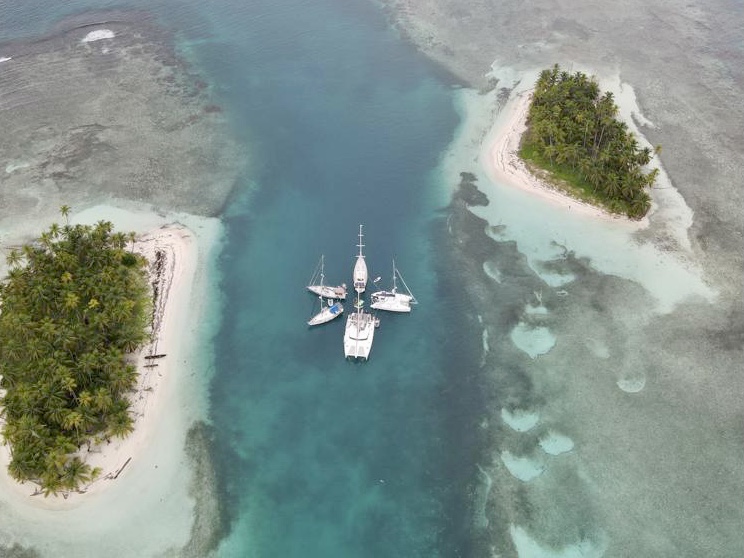
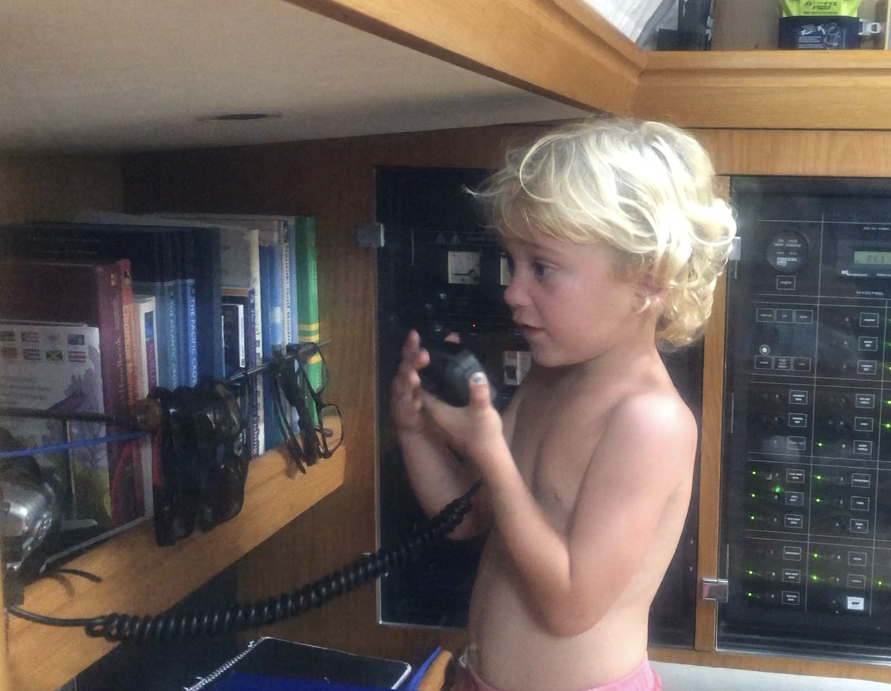
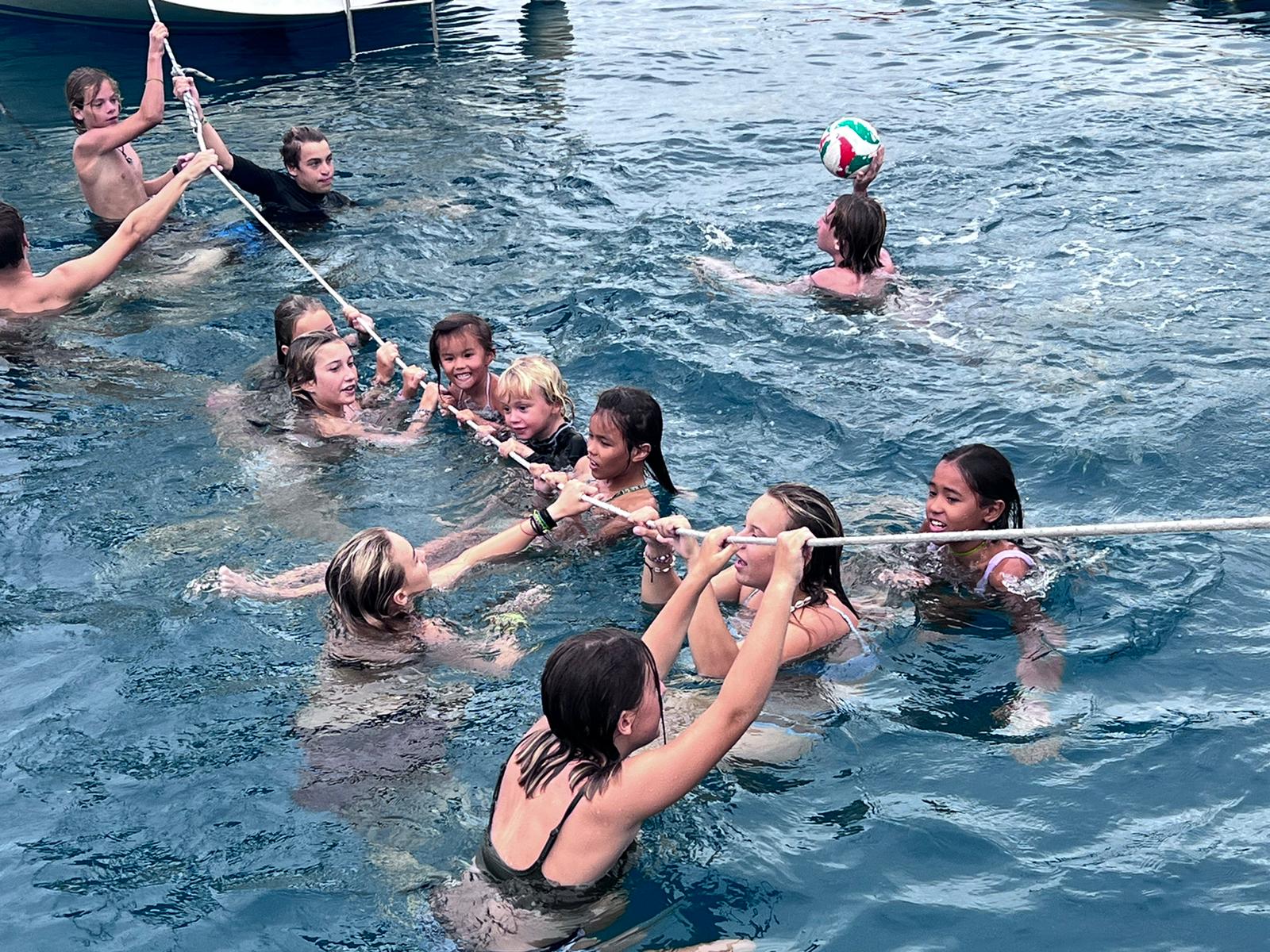
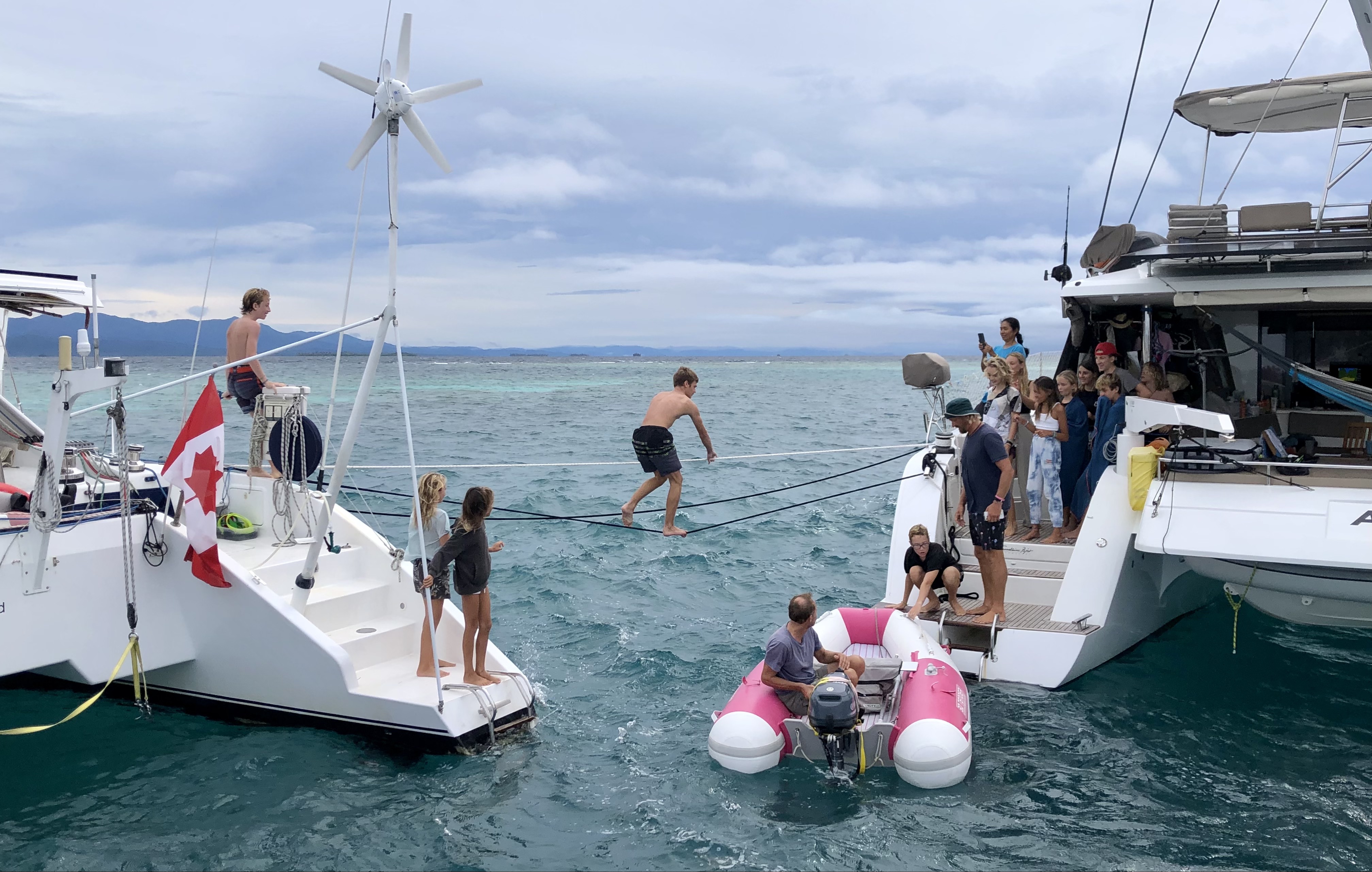
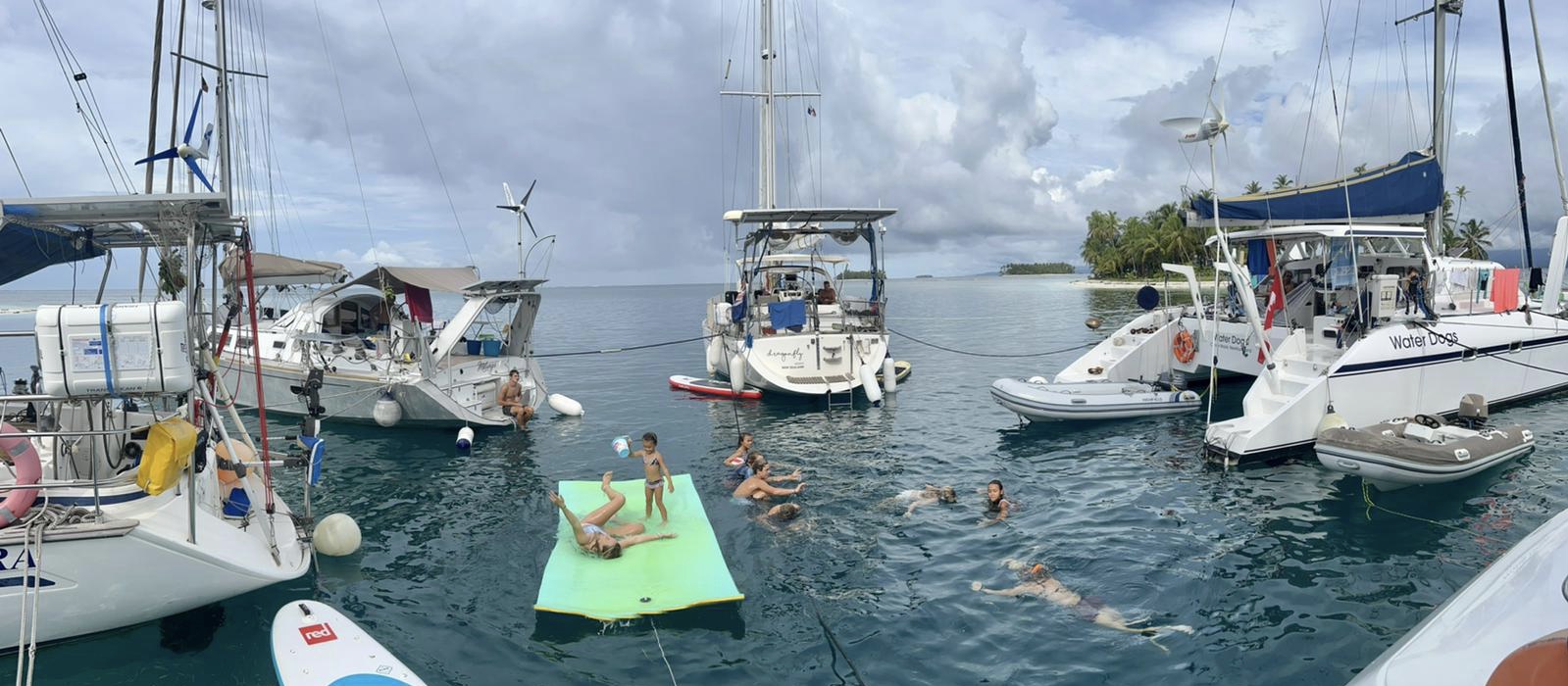
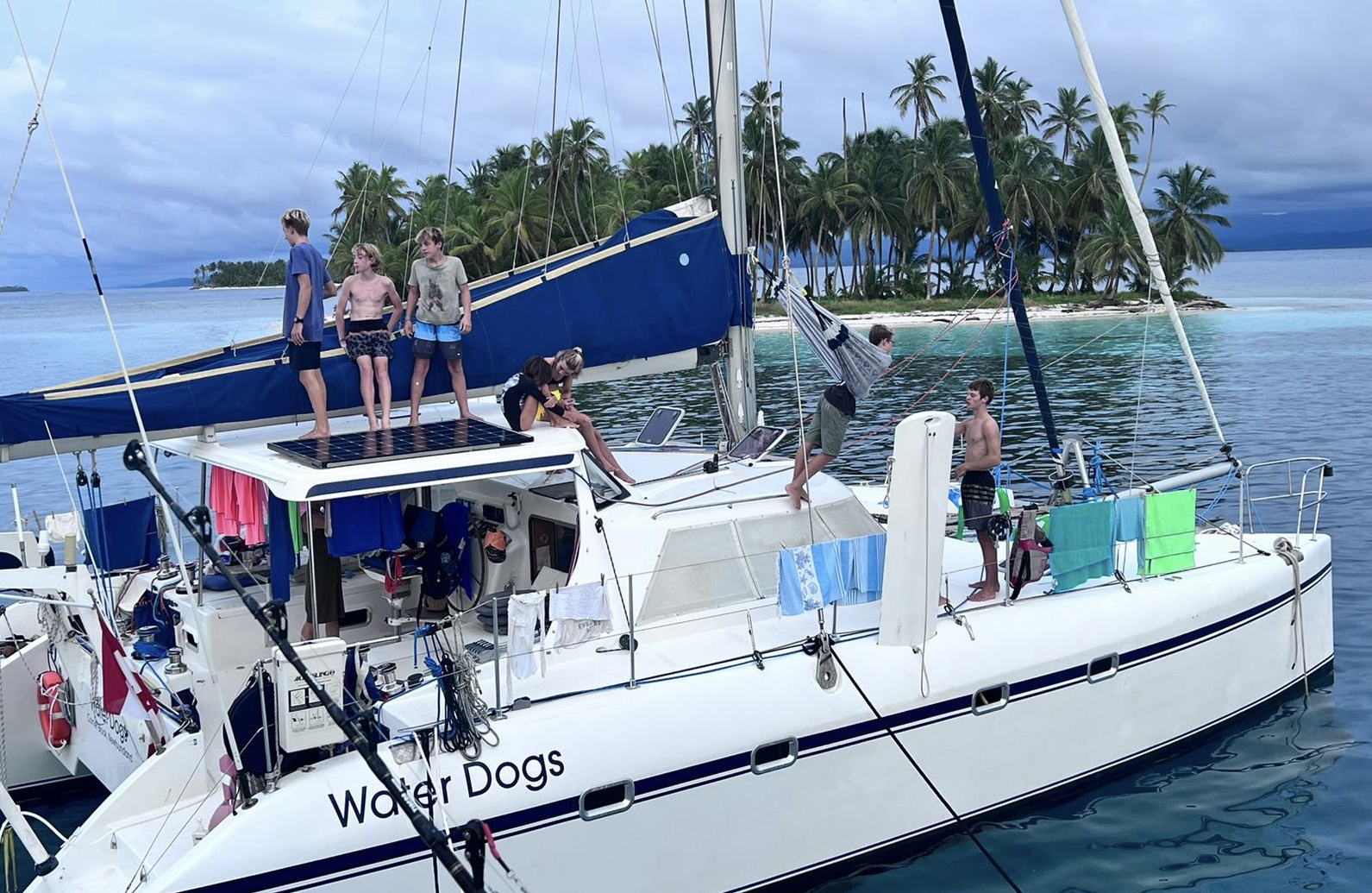
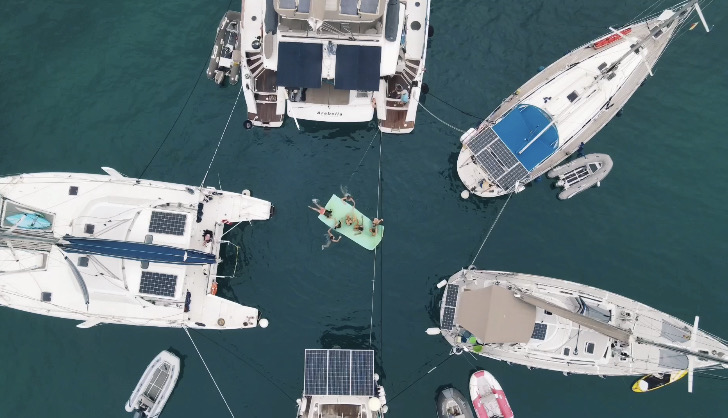
The fourteen children were in heaven. Five boats rafted up in a star shape, a make-shift flying fox between two boats, tight ropes over the water and a magic carpet in the middle, the big sleepy silhouettes of gentle nurse sharks swimming underneath. Lee and Azania, inseparable pair, learnt to swim without floats.
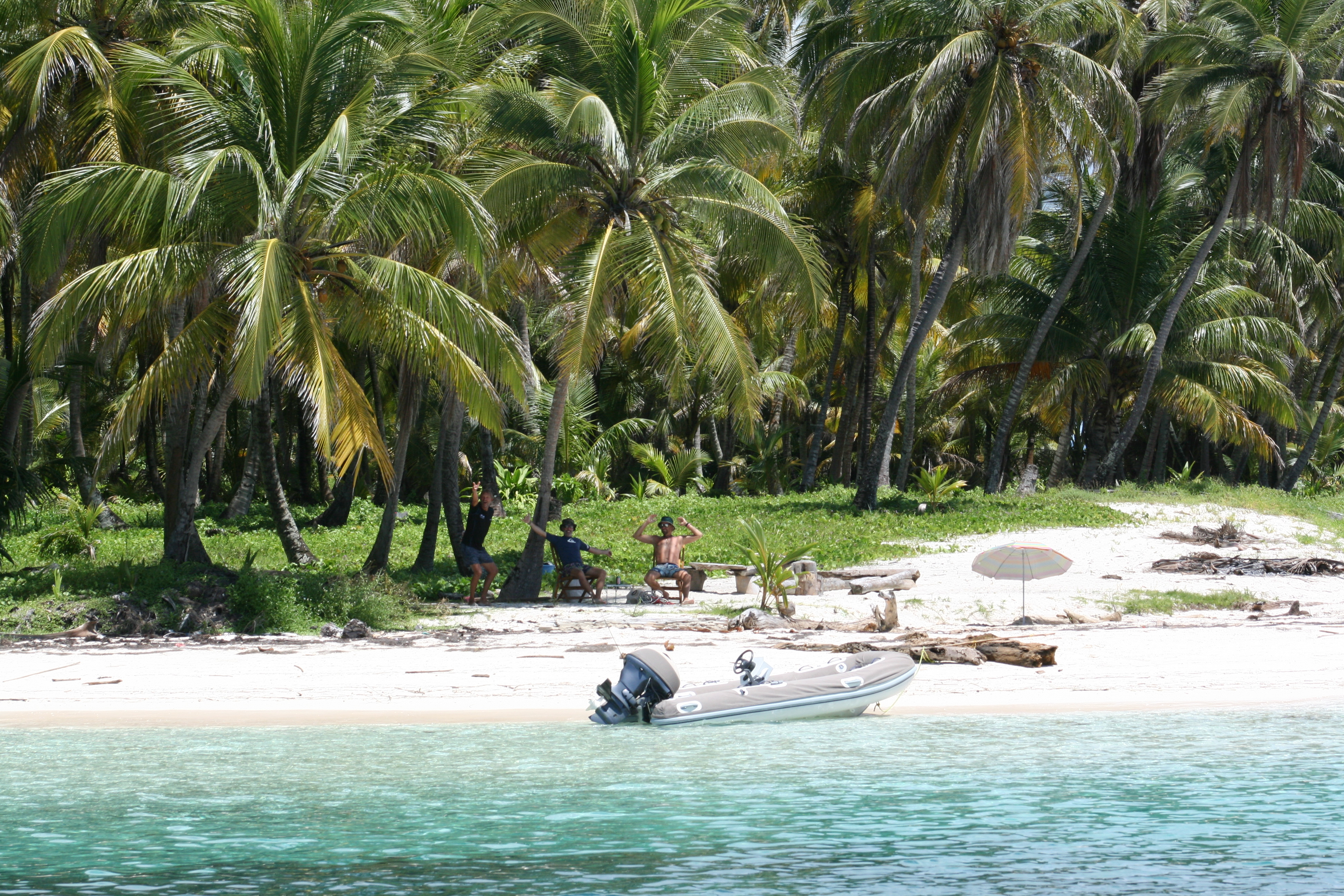
Yet, the amount of rubbish that piles up on every little island’s shores is frightening. Floating debris pond when the breeze doesn’t blow, soft plastics sway incognito below the surface, some of that waste having probably travelled many hundred miles with wind and currents. Due to the rainy season, the visibility underwater was poor and the no-seeums, minuscule sand flies, were out and obstinately devouring most of us.
I was soon ready to move on. Simon too was very eager to cross the canal. Families parted ways again as some flew home to Canada and others’ schedules differed.
SHIPYARD WORK
Tiredness escalated over a hot, sticky, and dusty week in Linton Bay shipyard. The time had come to repaint the hull and undertake a few repairs and maintenance jobs before making our way back towards Colon and into the canal.
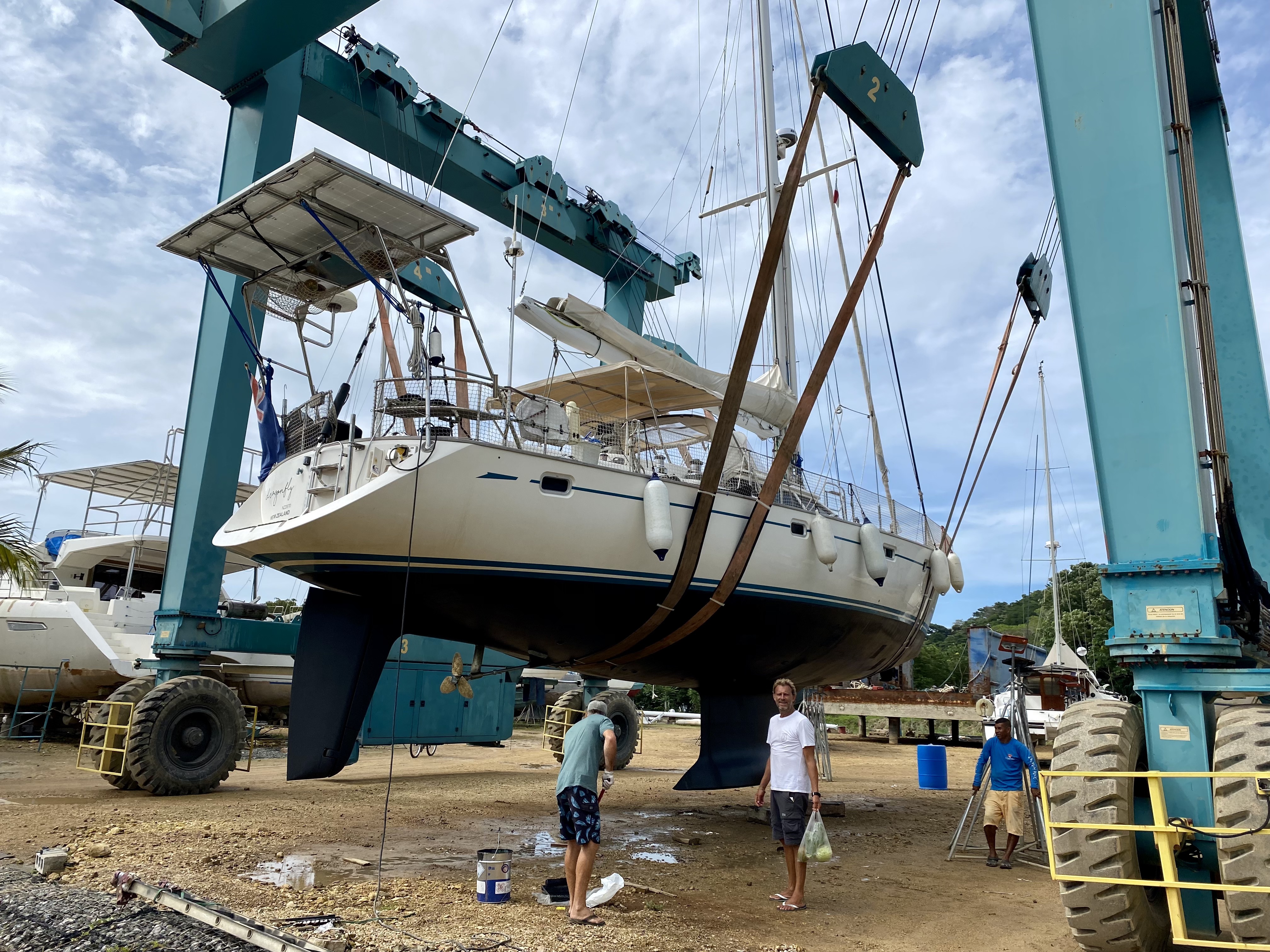
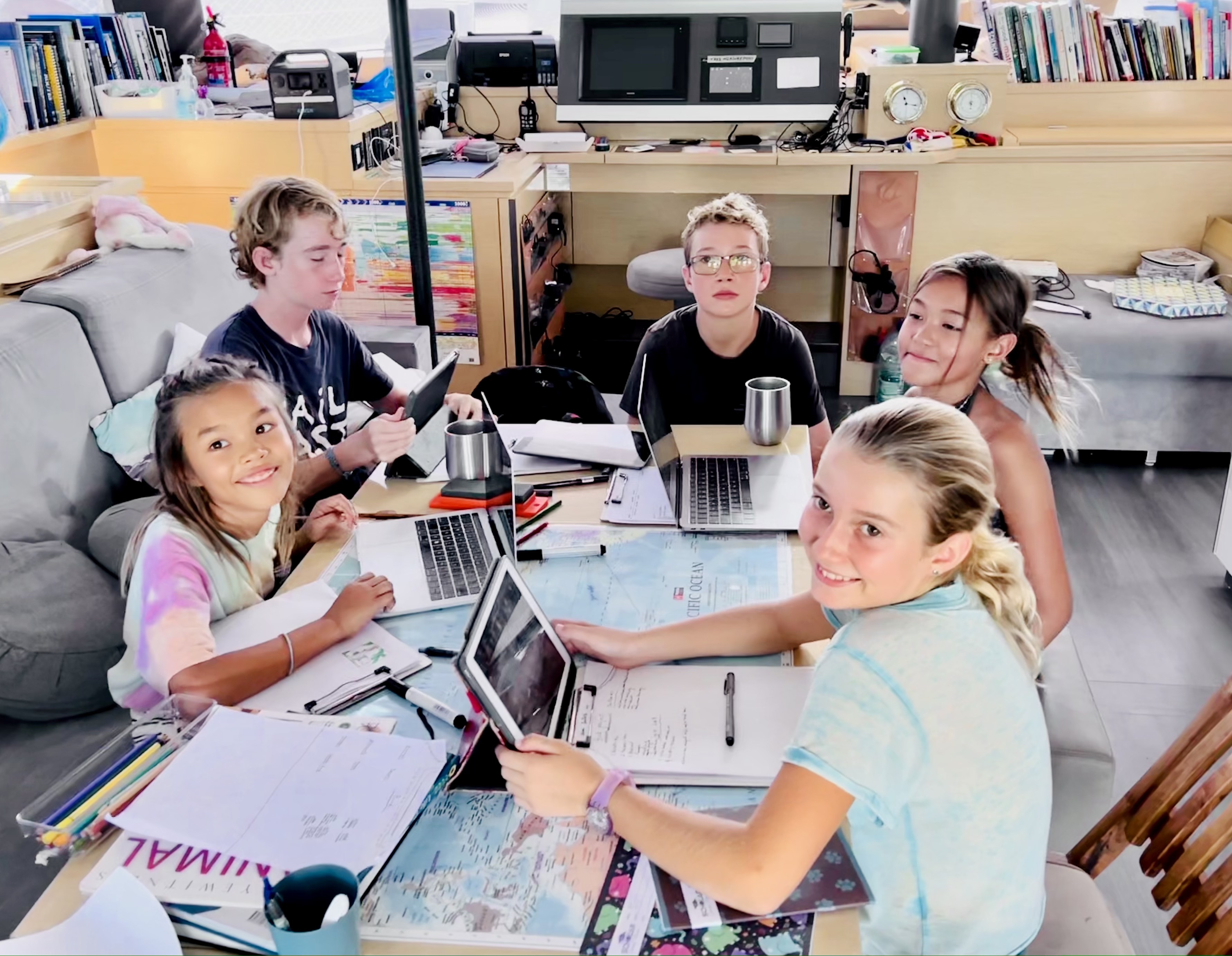
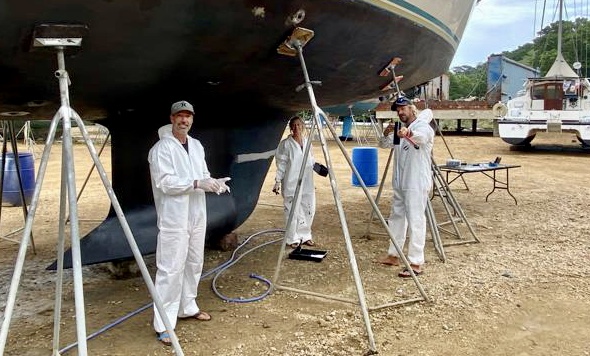
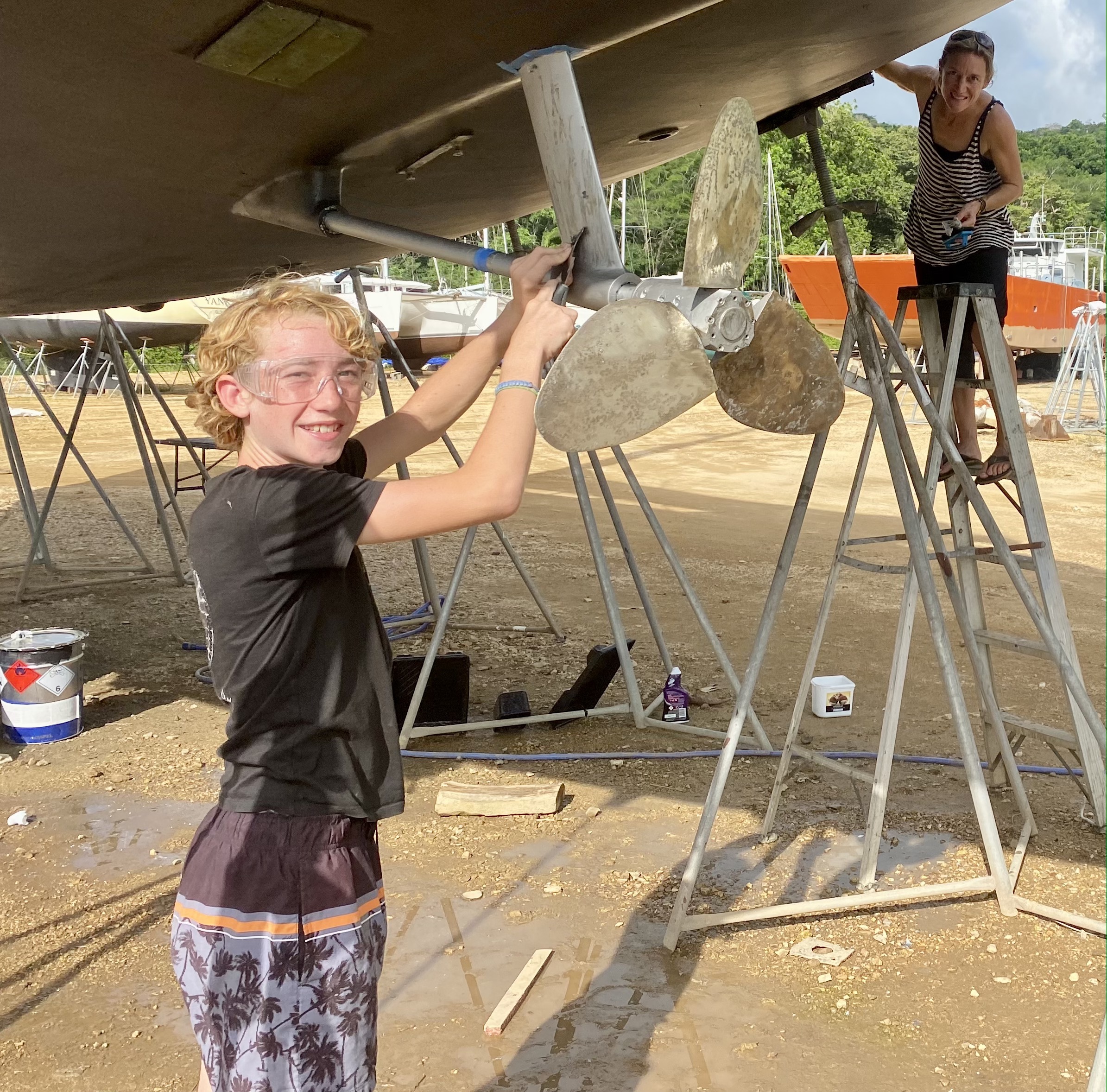
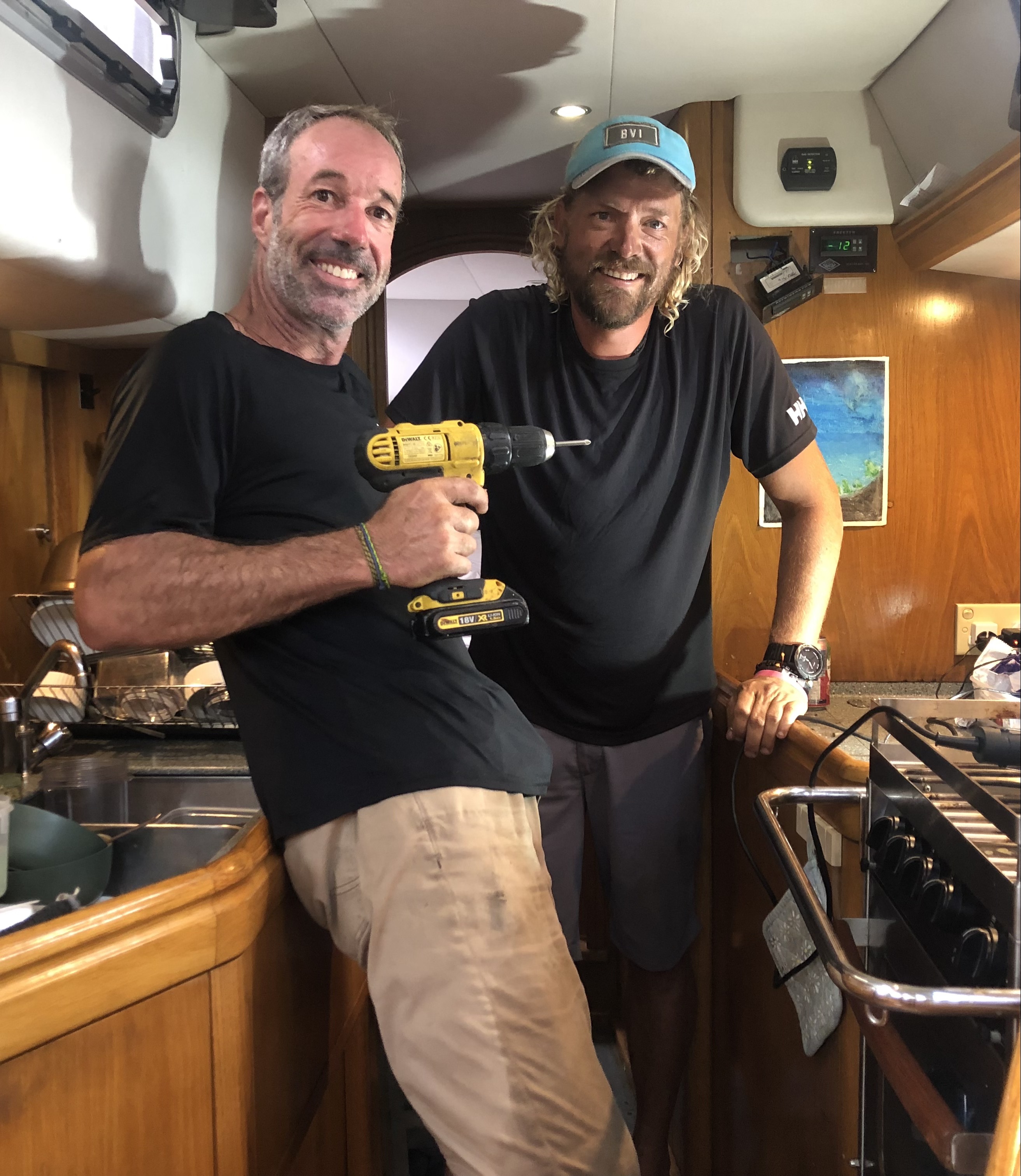
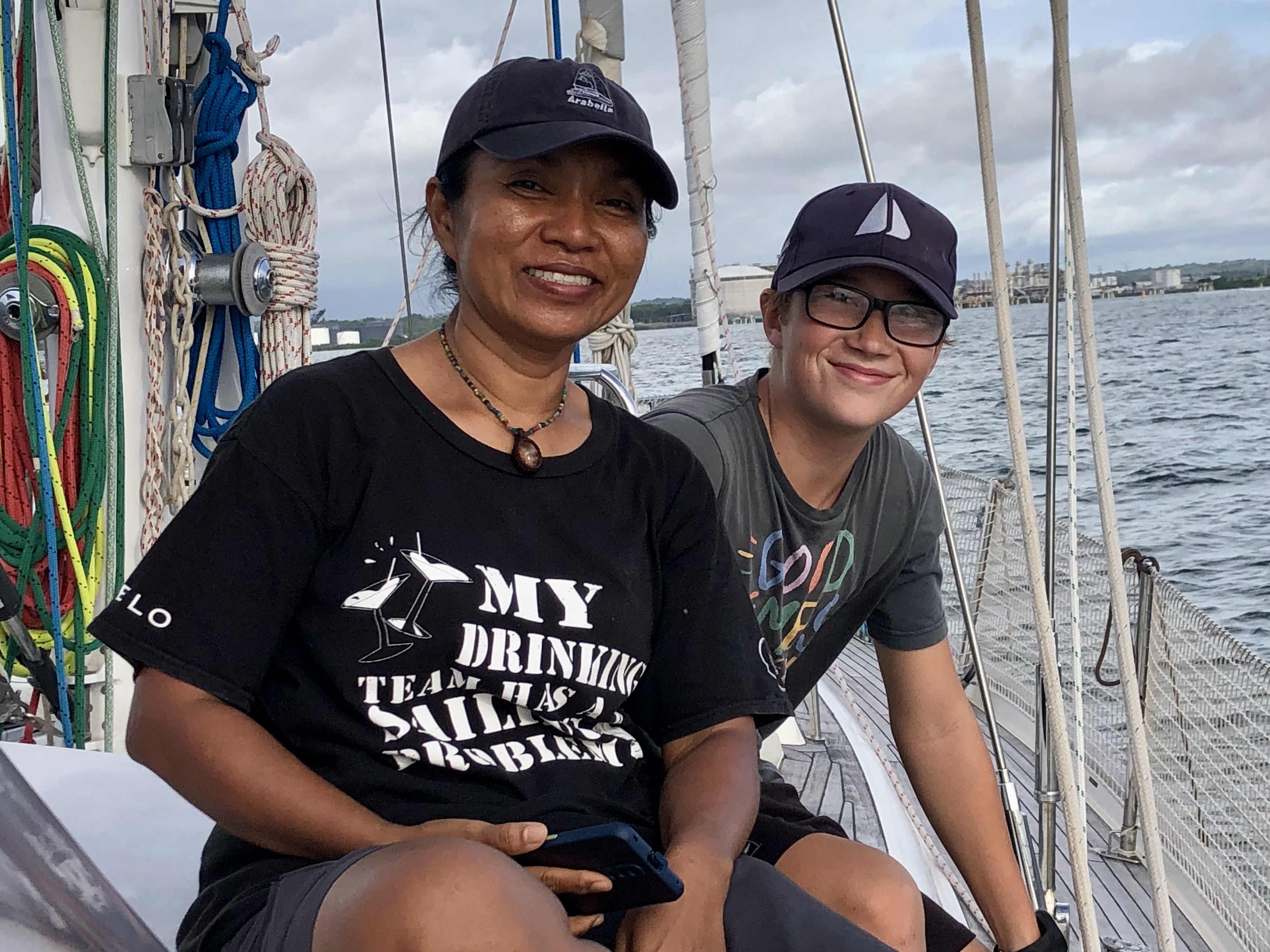
I can’t imagine how we would have coped without the presence of Grant, Delphine, Alex and Apple. The Arabella crew had tied up in the nearby marina with the sole purpose of helping us out through this time out of the water.
That week, our children were cared for around the clock, meals were laid on the table for Simon and I to refuel twice a day, tools were brought over when needed and Grant dedicated hours getting things done on Dragonfly. We learnt to gracefully accept care, support and generosity free-flowing our way without fuss. We let ourselves receive all of it and it was incredibly heart-warming!
CROSSING THE CANAL
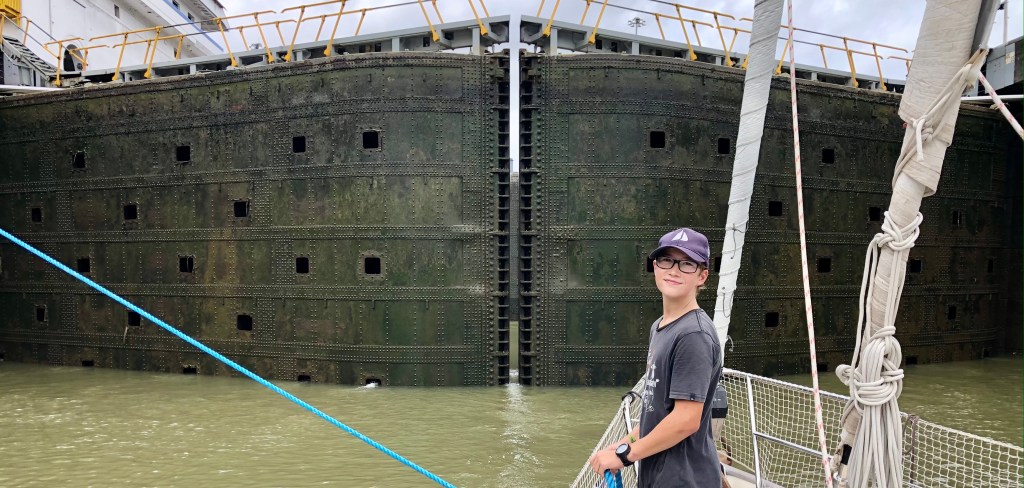
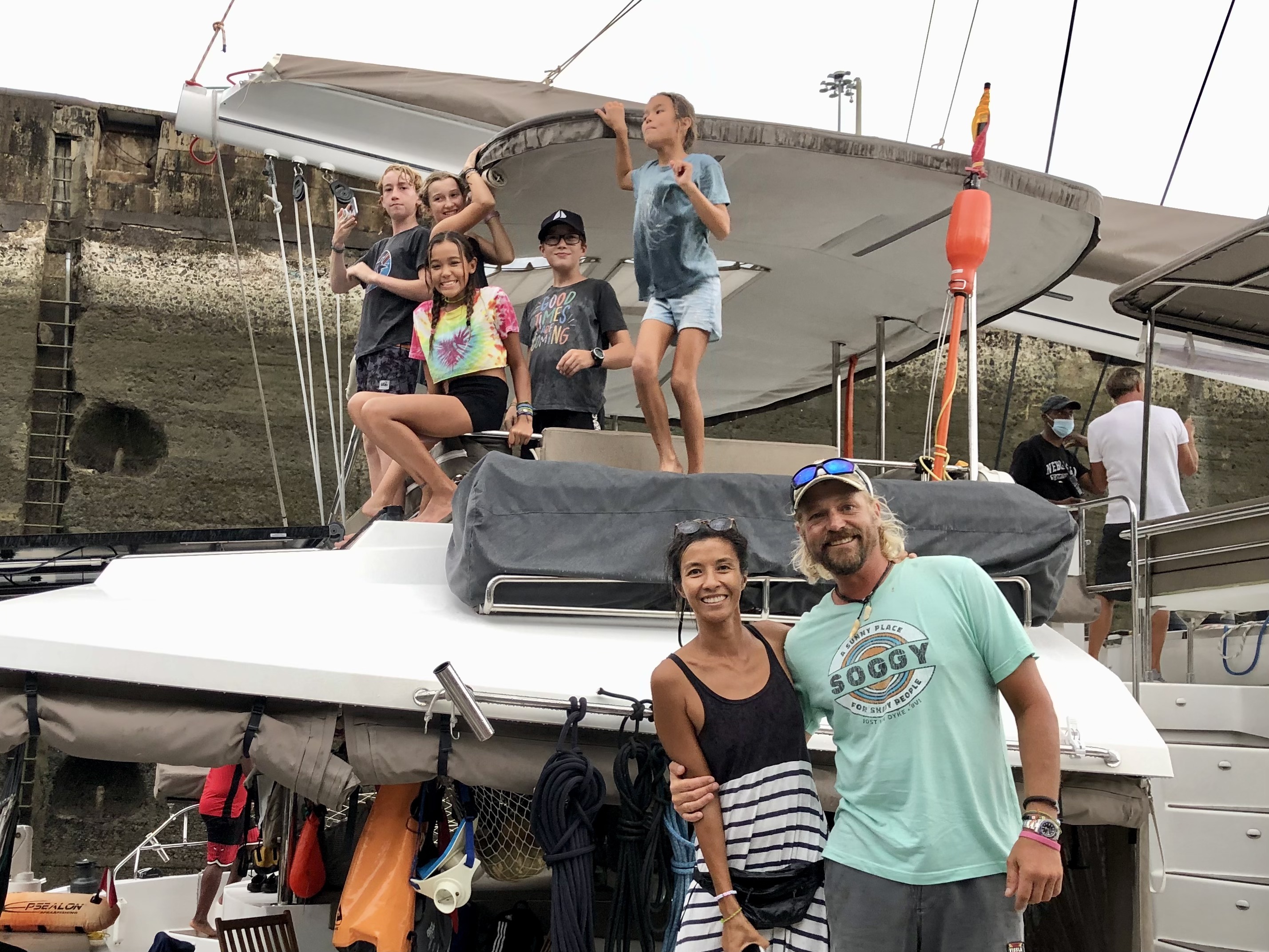
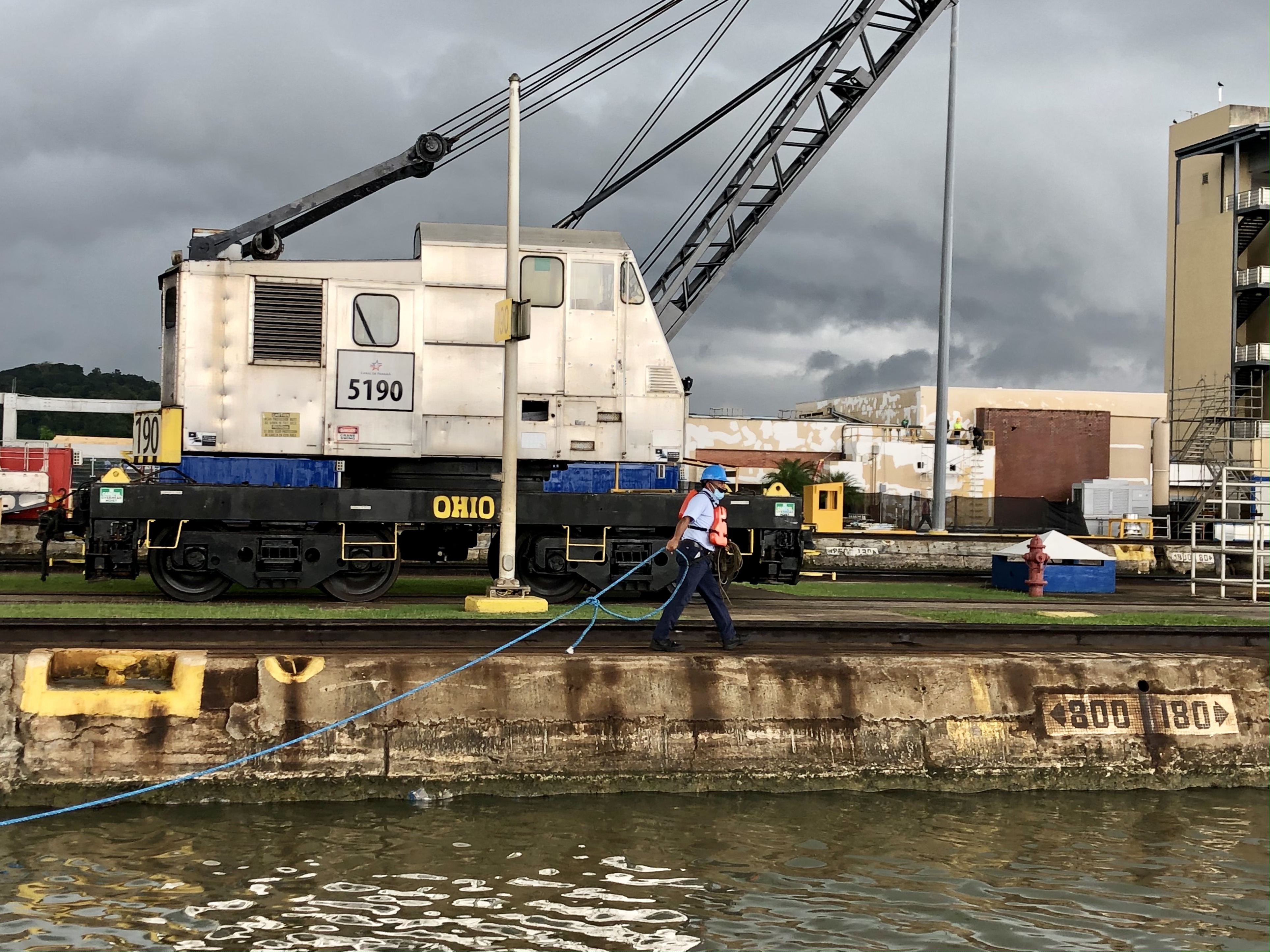
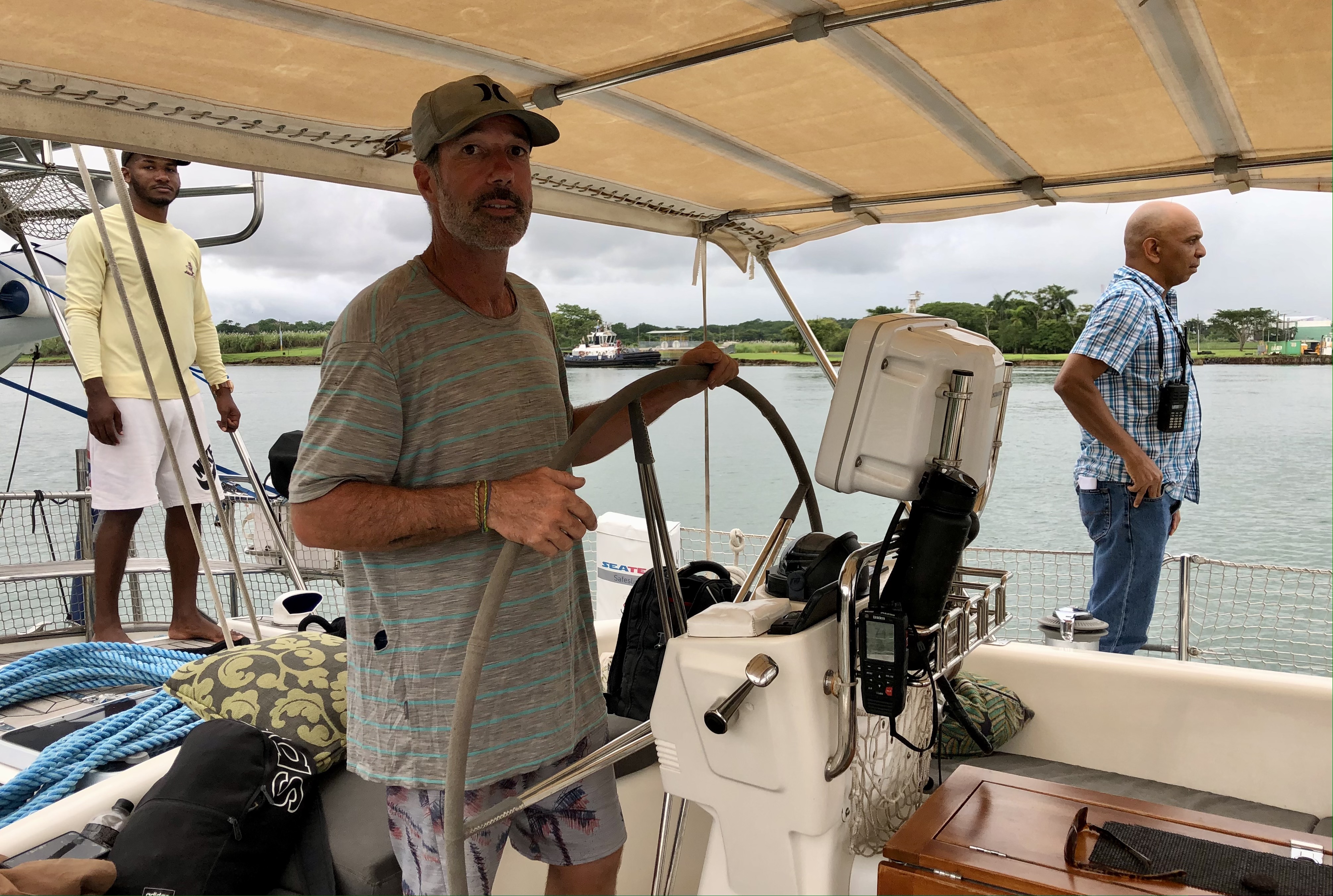
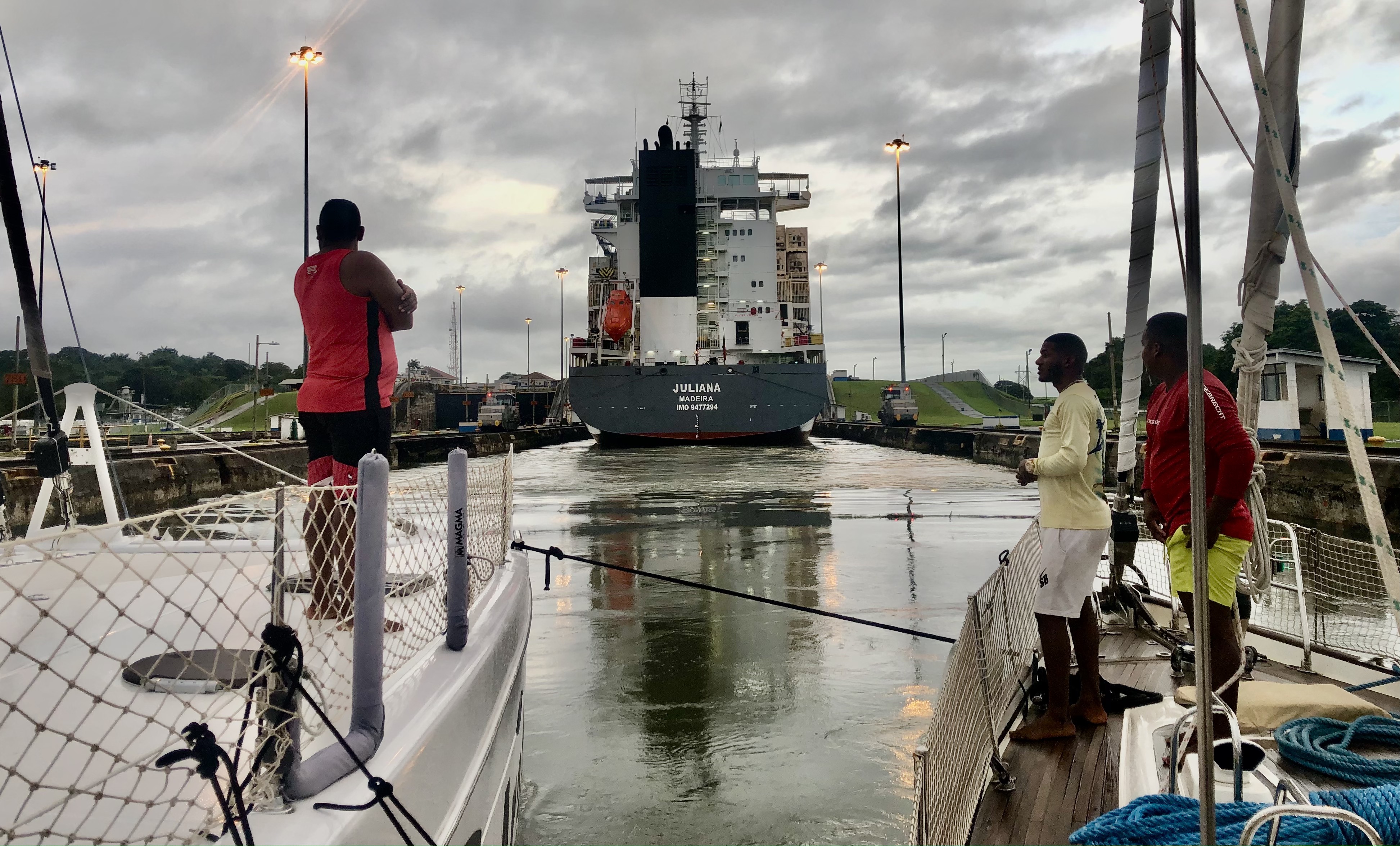
We rafted up with Arabella on the 6th of July and made our way through the first set of locks and into Gatún lake. Arabella was able to carry on the next morning but Dragonfly’s transit took almost three days because of canal staff management.
The process was otherwise trouble free, mostly fun and the best part was…
… we reached the Pacific!!
SWEET HOME OCEAN
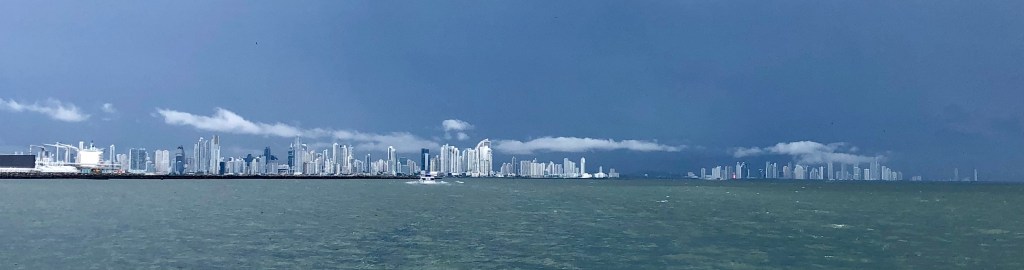
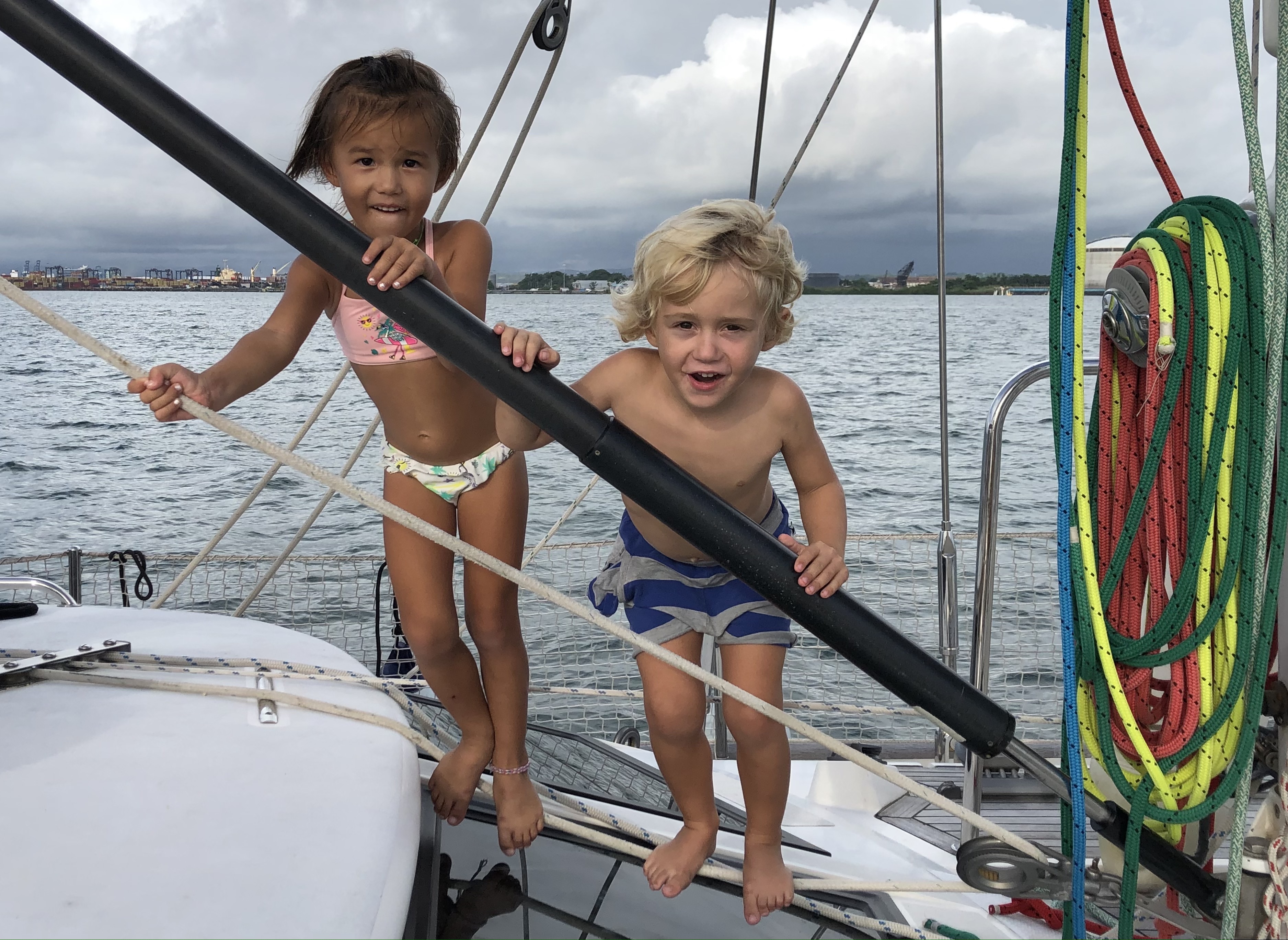
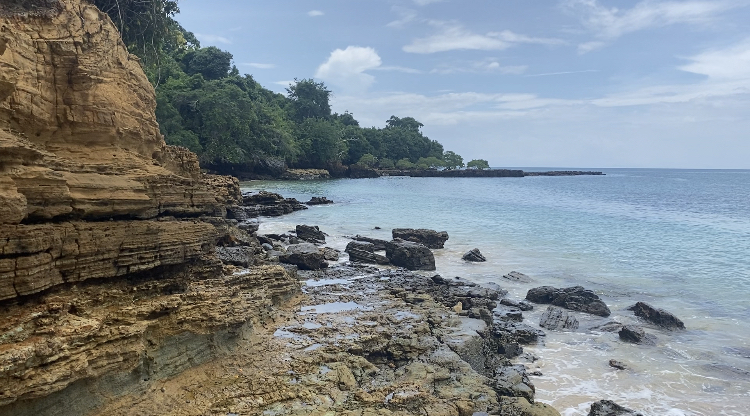
Anchored in the dirty waters of Panama City, we were delighted to feel the ocean breeze at last. We geared up for 10 days of intense boat preps and provisioning ahead of the upcoming Pacific crossing. While we waited on some parts, books and other stuff to be delivered to the city, we sailed away (yes, sailed! Wind!) to the nearby archipelago of Las Perlas, 35 miles offshore.
We were blown away by the abundance of marine life we came across, nothing any of us had seen before. Schools of big fish, dolphins, sperm whales, sting rays swimming in large flocks.
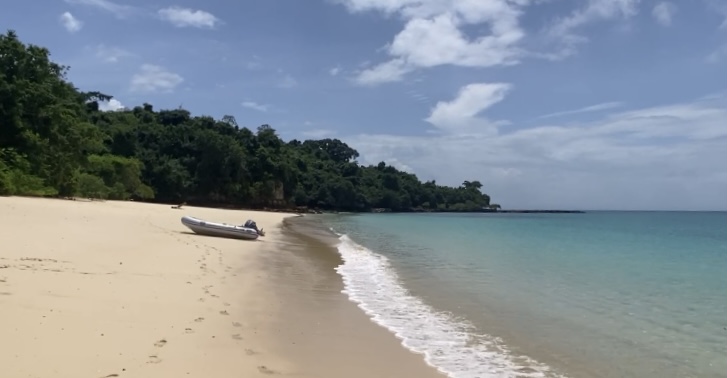
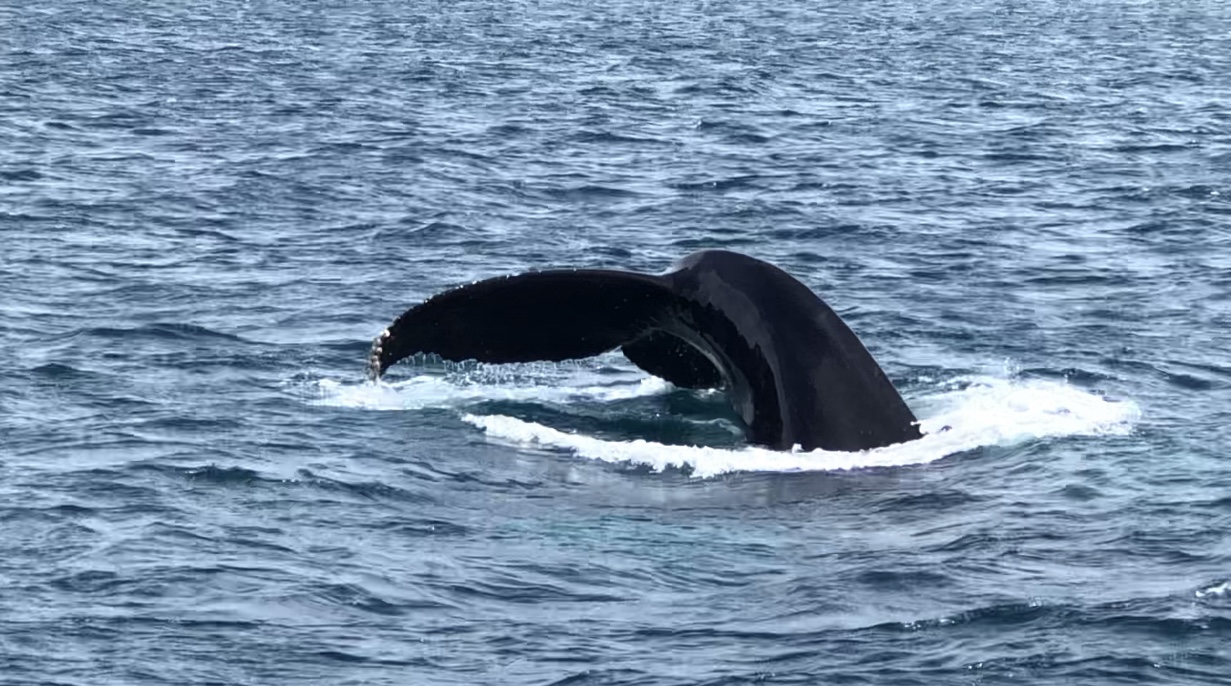
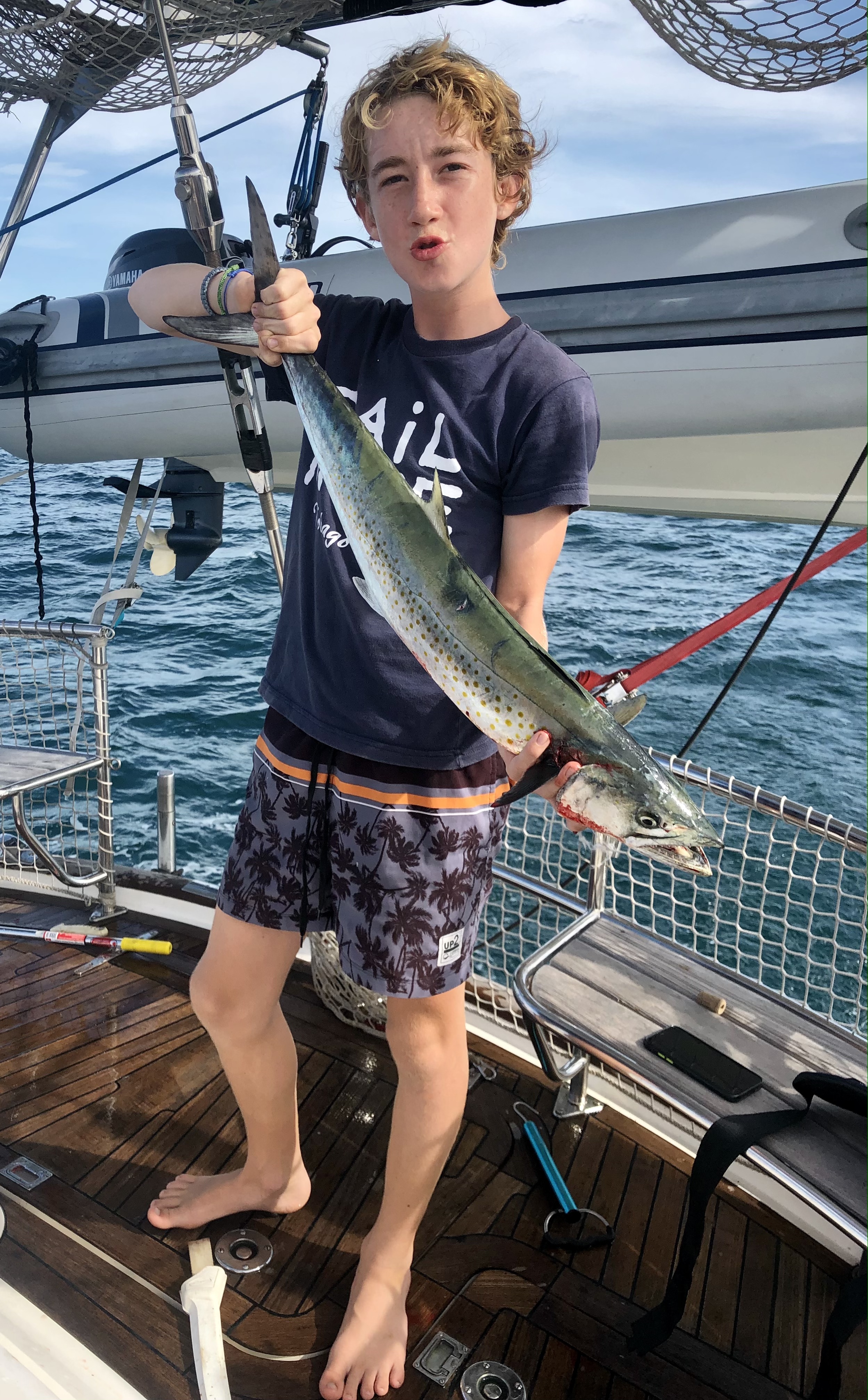
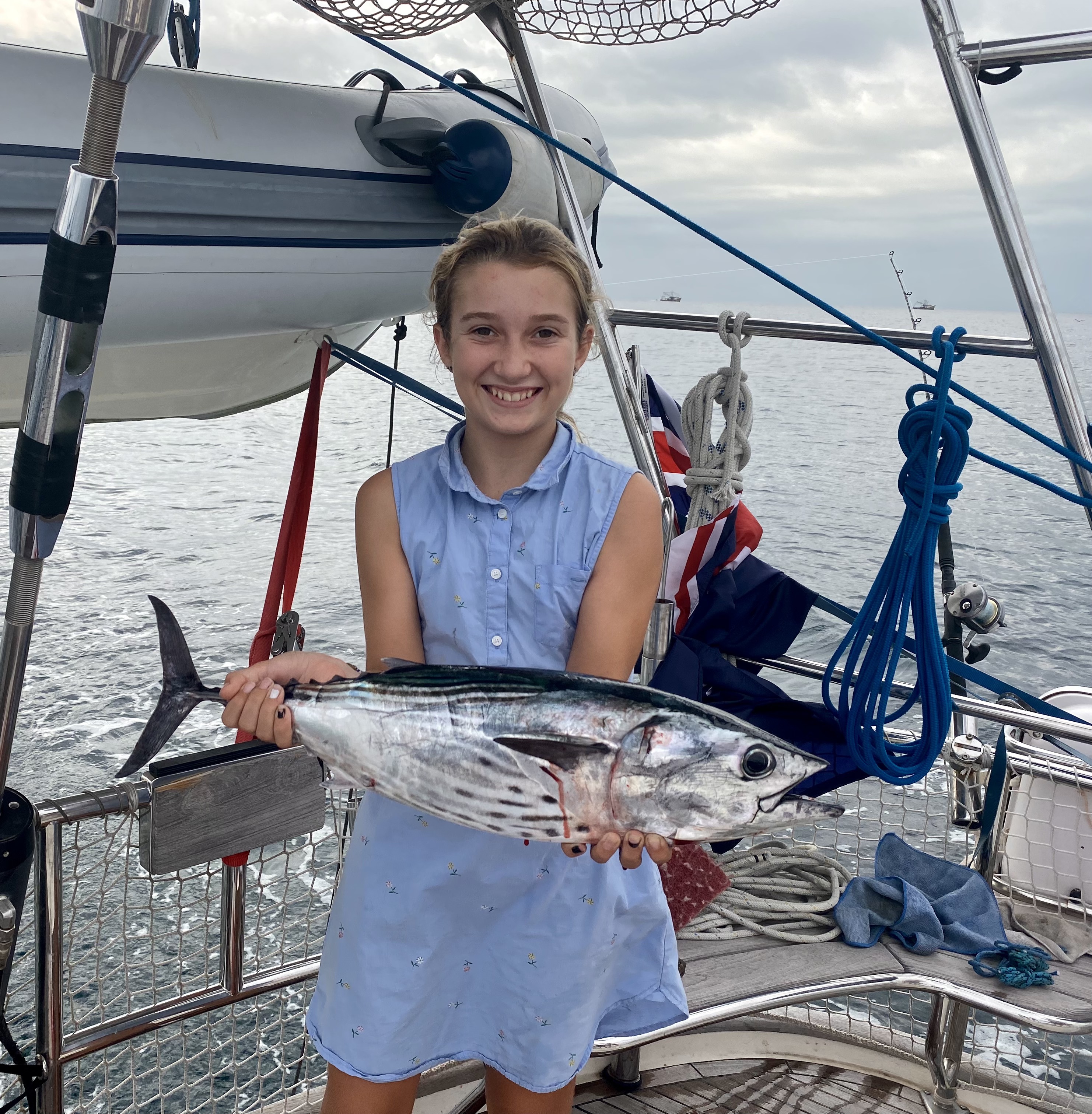
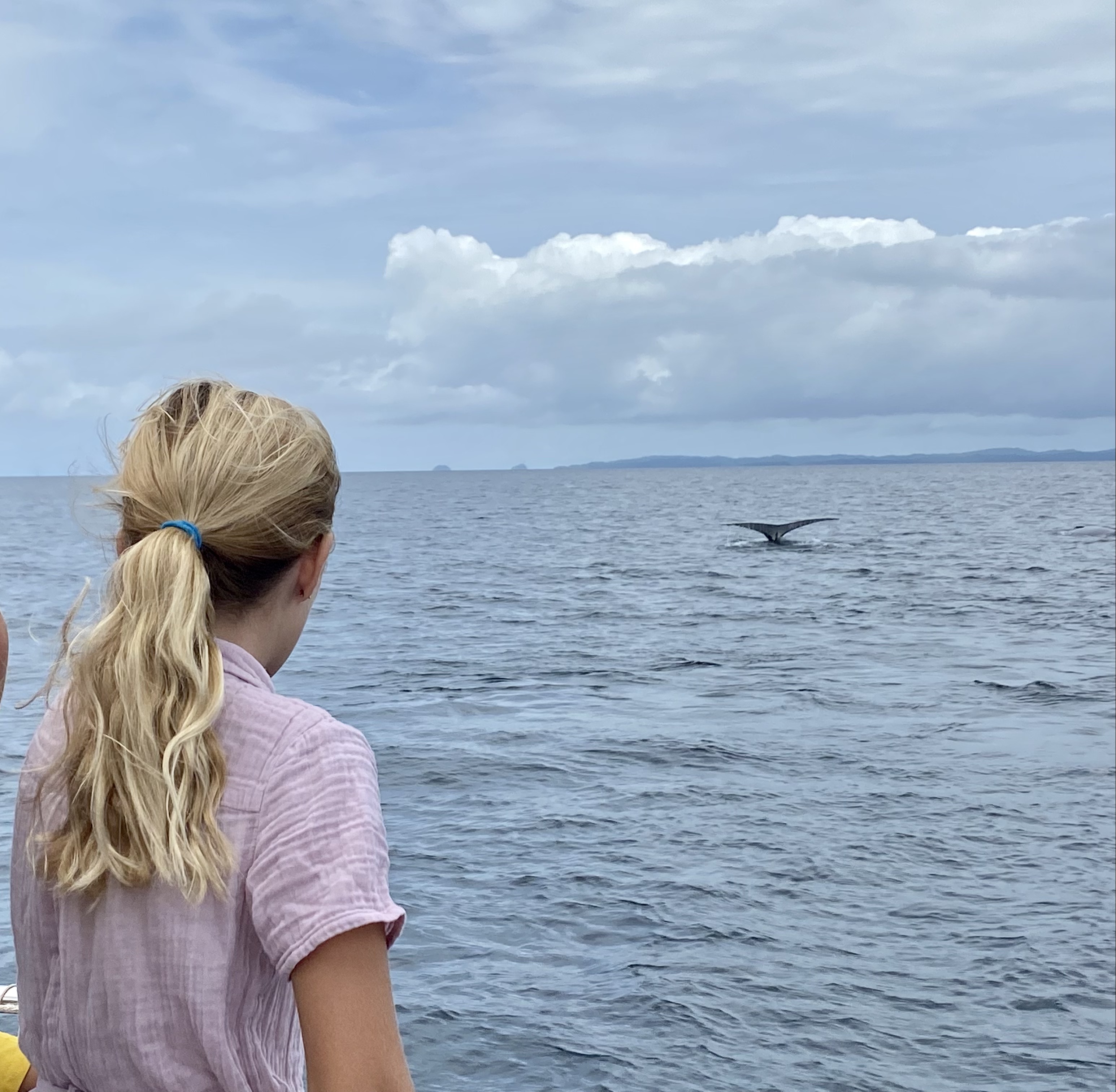
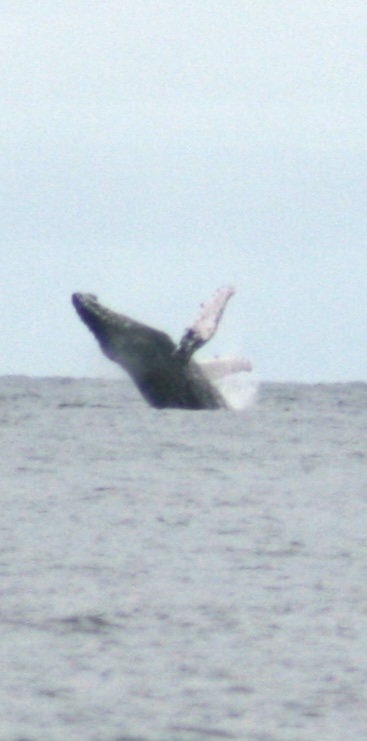
Humpback whales were everywhere in the distance, often breaching in massive splashes. It was phenomenal! We discovered that they migrate in thousands from Antarctica to Panama between June and September to give birth and raise their calf. Their moving songs were so loud and clear when we’d swim underwater, that it felt they would turn up out of the blue any moment.
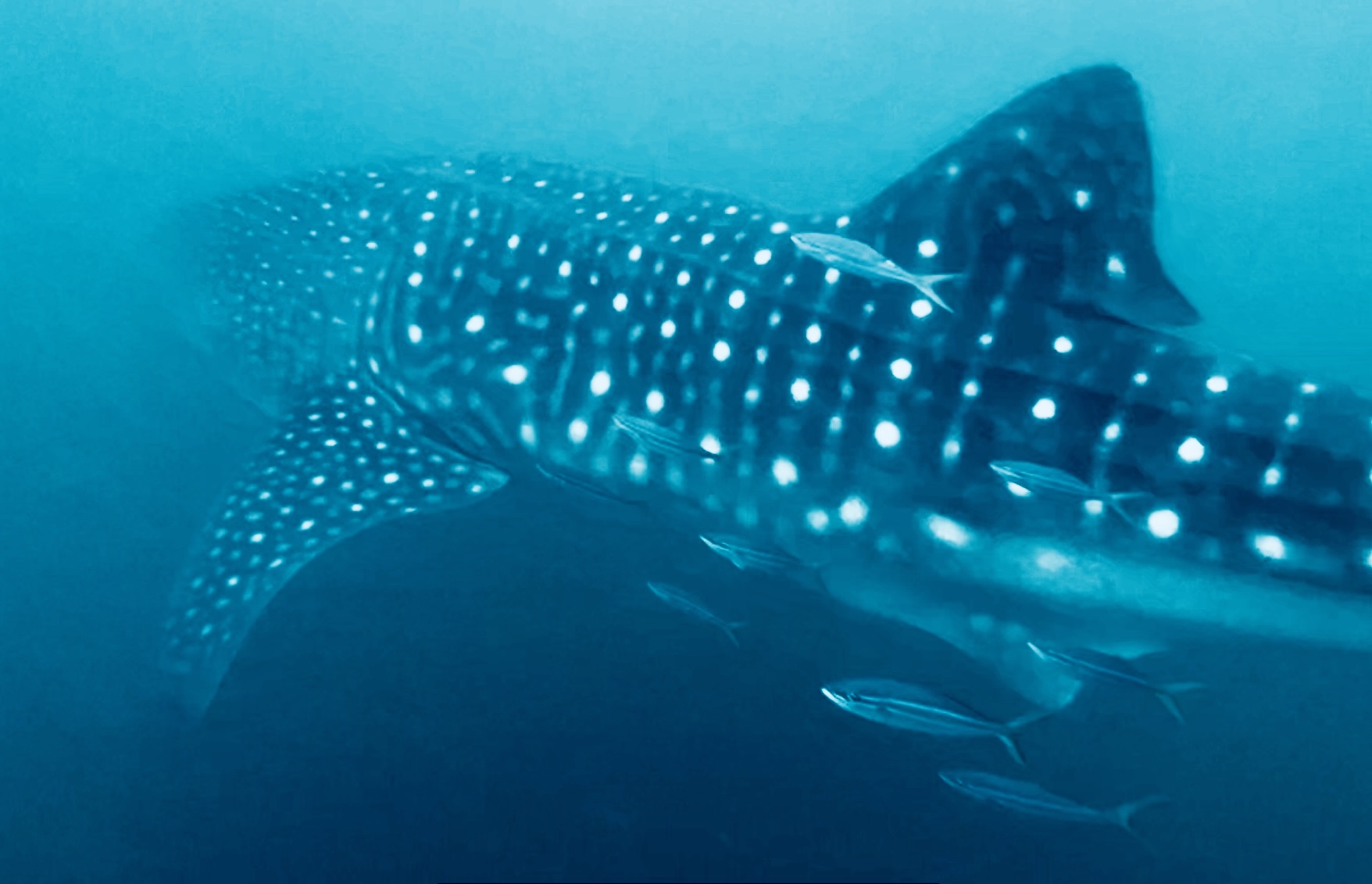
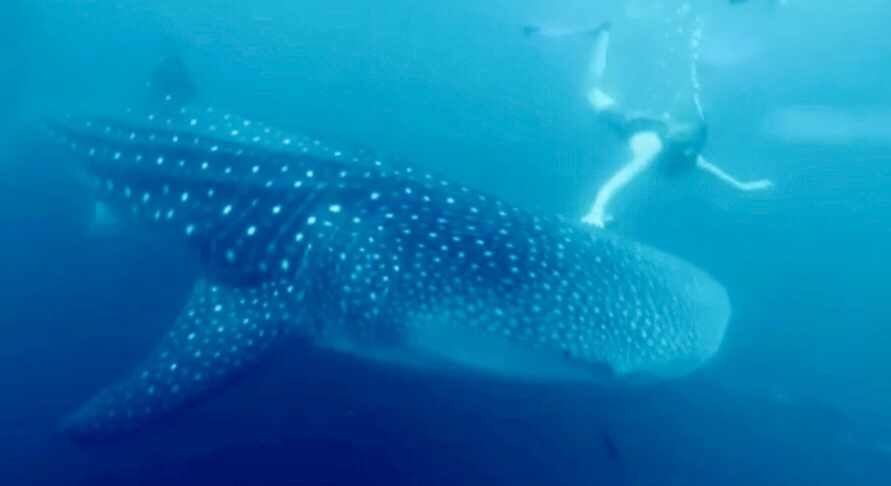
On one occasion while crossing between islands, we came across multiple whale sharks and for a couple of hours, we followed them jumping in the water in turns for the thrill of a close encounter. It was pure magic.
AN INITIATION
Simon’s health troubles threw a spanner in the works which, with time, helped bring some perspective to all of us. Simon, Delphine, Grant, Alex and I all acknowledged that we were successfully running ourselves in the ground and needed to find a quiet space to re-attune to our inner environments.
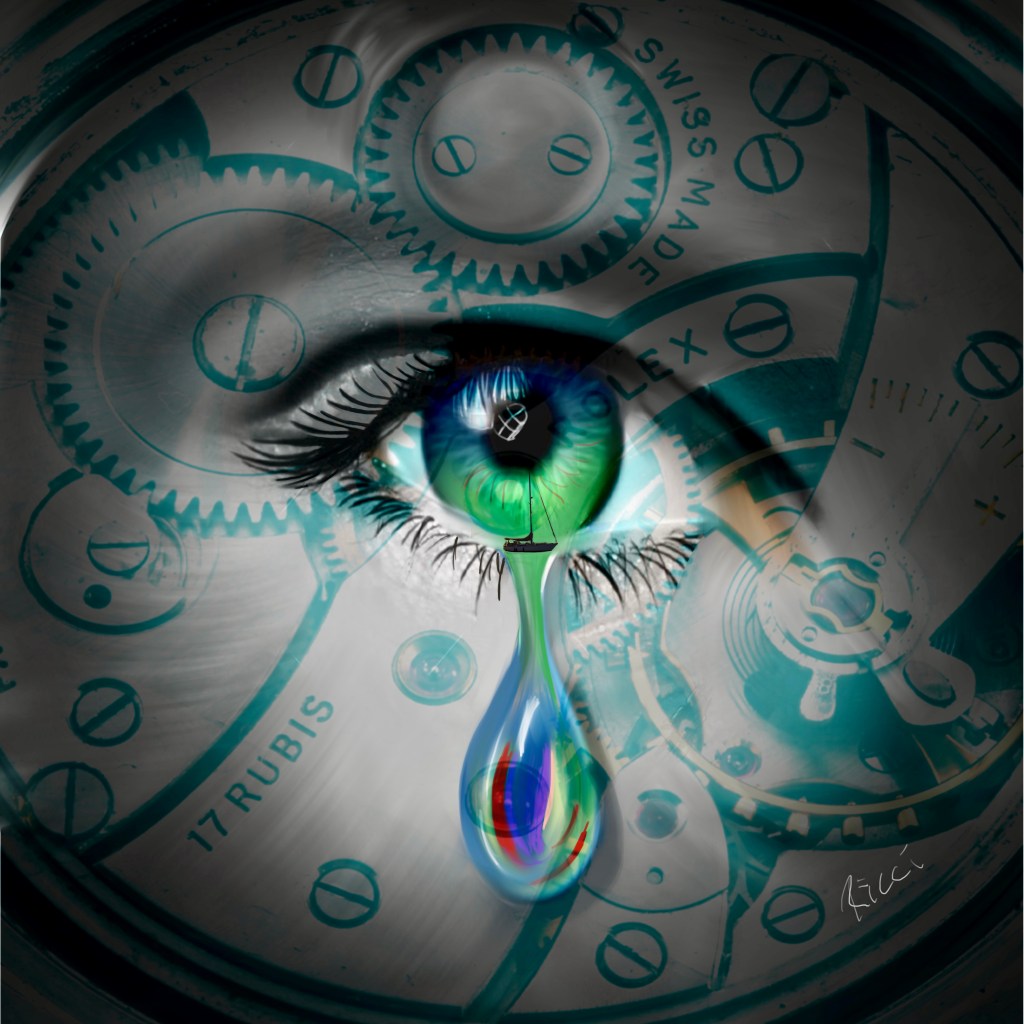
I made a crazy suggestion to my travel companions and to my surprise, they jumped right in.
In my explorations over the years I have spent much time researching on the topic of consciousness, the physiology of elevated states of consciousness and the healing potential that lies therein.
We happened to be in ayahuasca territory, the rainforest medicine of the Amazonian tribes. I have always been very curious about the possibility of lucid traveling into the depths of the subconscious mind, unraveling trauma and mental conditioning.
Now I felt seeking help had become a necessity.
We arranged a five-day escape into the Costa Rican rainforest.. no children, and a wise and hilarious ethno-botanist as spiritual guide through this process of deep cleansing.
To be continued… !
12th of August: we are off for a week of upwind sailing to the Galapagos.


Thankyou so much for this continuing adventure story, so beautifully written and illustrated. We are so privileged to have you share your lives with us.
Marion and Peter Robertson 73/21 Graham Collins Drive Windsor Park Auckland 0632
0274 204 374 09 475 5437
>
LikeLike